






Largeflower Valerian
valeriana pauciflora
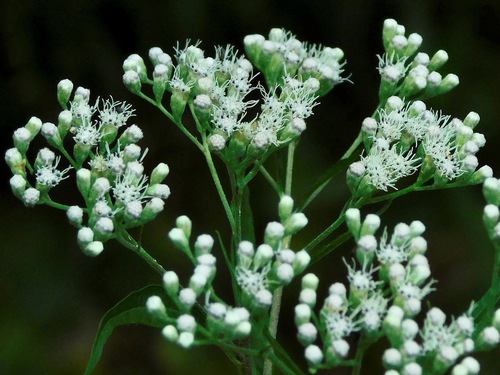
The Largeflower Valerian is a beautiful plant with large, colorful flowers that attract many pollinators. Kids will love spotting this plant in gardens and wild areas where it thrives!
Hábitat: Meadows, gardens, and sunny areas.
The Largeflower Valerian has distinctive tubular flowers, typically pinkish-white, which are notably larger than many other valerian species. Its deep green leaves are often deeply lobed, giving it a unique texture in the shaded forest understory.
Categoría
PlantasRareza
Common
Peligro
0/5 · Sin peligro conocido
Snaps
¡Sé la primera persona en hacer un snap!
Its 'large flowers' are actually one of the biggest in the entire Valerian family!
The name 'Valerian' comes from a Latin word meaning 'to be strong or healthy'!
This plant prefers to grow where the ground stays cool and damp, like near streams.
You can tell it's a 'pauciflora' because it usually has just a few flowers per stem!
Largeflower Valerian can release a unique scent from its flowers to attract long-tongued insects for pollination, helping it reproduce.
Largeflower Valerian has adapted to thrive in low-light, moist forest environments, making it a powerful understory plant.
Largeflower Valerian can spread using underground rhizomes, helping it form small colonies and secure its place.
Apis mellifera
Collects nectar and pollen from its tubular flowers.

Bombus impatiens
Visits flowers for nectar, aiding in plant reproduction.
Odocoileus virginianus
Deer may browse its foliage, especially new growth.
Colorido describe a organismos u objetos que exhiben una amplia variedad de colores brillantes y distintivos.
Este rasgo caracteriza a los organismos cuya dieta consiste total o principalmente en material vegetal.
Describe organismos que transfieren polen, permitiendo la fertilización y reproducción de las plantas.
Todavía no hay alias listados.
Peligro
0/5 · Sin peligro conocido
Todavía no hay notas especiales de seguridad.
30-90 cm
1.5-2.5 cm
Late spring to early summer
No
Leve
Perenne
Insectos
Meadows, gardens, and sunny areas.
Acércate para separar los grupos y explorar dónde se ha fotografiado este objeto.
Los snaps recientes aparecerán aquí a medida que se añadan nuevas observaciones.

















_Persicaria_amplexicaulis_Blackfield_-_Les_Martels%2C_Giroussens_Tarn.jpg&width=800)

