_Berberis_bealei_habitus.jpg&width=800)





leatherleaf mahonia
Berberis bealei
Leatherleaf mahonia is a cheerful shrub with shiny leaves and bright yellow flowers. It grows berries that are loved by birds and can be found in gardens and parks.
Hábitat: Urban areas
The leatherleaf mahonia has bold, spiny, dark green leaves with a leathery texture, giving it a distinctive architectural look. Its bright yellow flowers bloom in upright clusters during late winter, followed by powdery blue-black berries, making it visually unique.
Categoría
PlantasRareza
Common
Peligro
1/5 · Muy bajo
Snaps
¡Sé la primera persona en hacer un snap!
Its beautiful leaves can turn amazing purplish-bronze colors in chilly weather!
People once used the plant's inner wood to create a bright yellow natural dye!
This tough plant can grow yummy berries even in very shady spots!
When its flowers open, they release a sweet scent, just like lily-of-the-valley!
Leatherleaf mahonia can bloom with bright yellow flowers in late winter, providing a crucial early food source for pollinators.
Leatherleaf mahonia has tough, spiny leaves that act as a natural defense, helping protect it from hungry animals.
Leatherleaf mahonia produces waxy blue berries that persist through winter, offering a vital food supply for birds when other sources are scarce.
Apis mellifera
collects nectar and pollen from early blooms
Turdus migratorius
eats its blue-black berries in winter
Bombus impatiens
visits its fragrant winter flowers
Las plantas con flores son cualquier planta que produce flores como parte de su ciclo reproductivo.
Un arbusto es una planta leñosa más pequeña que un árbol, típicamente con múltiples tallos que se ramifican desde o cerca del suelo.
Las plantas de floración primaveral producen sus flores durante la temporada de primavera, lo que a menudo significa el final del invierno y el comienzo de un nuevo crecimiento.
Las plantas tolerantes a la sombra están adaptadas para crecer y prosperar en áreas con bajos niveles de luz, requiriendo menos luz solar directa.

Las plantas de hoja perenne conservan su follaje durante todo el año, sin perder nunca todas sus hojas a la vez.

Las plantas frutales producen frutos, que son los ovarios maduros de las plantas con flores que contienen semillas.

Describe plantas que son particularmente atractivas y beneficiosas para una amplia variedad de organismos polinizadores.

Posee proyecciones puntiagudas y afiladas o espinas en el cuerpo o en la superficie.

Esta característica de hábitat indica especies que pueden coexistir con los humanos en entornos urbanos y suburbanos, utilizando estructuras artificiales y espacios verdes.
Todavía no hay alias listados.
Peligro
1/5 · Muy bajo
Don't eat the berries without asking an adult, as they can be sour.
150-300 cm
100-150 cm
0.5-1 cm
Late winter to early spring
Sí
Leve
Perenne
Insectos
Acércate para separar los grupos y explorar dónde se ha fotografiado este objeto.
Los snaps recientes aparecerán aquí a medida que se añadan nuevas observaciones.

Virginia, US
Puedes ver Monarch, Tortuga De Caja Oriental y Mariquita Asiática.
Ver guía →
Virginia, US
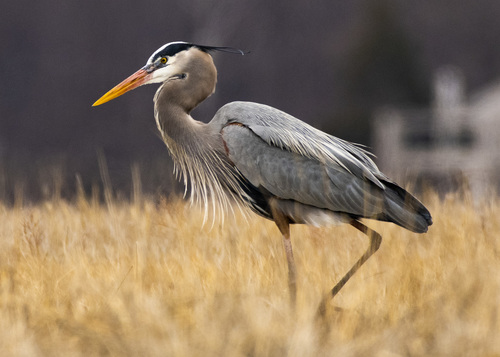
Puedes ver Garza Azulada, Barnacla Canadiense y Tordo Sargento.
Ver guía →
District of Columbia, US
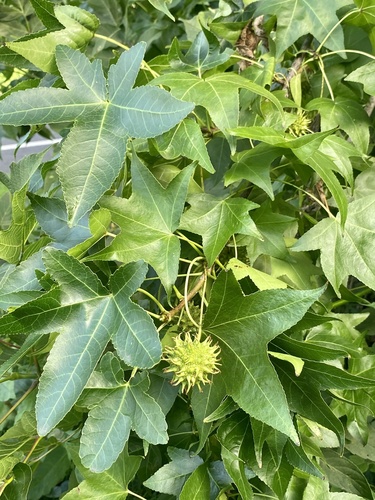
Puedes ver Liquidámbar Americano, Amur Honeysuckle y Virginia Creeper.
Ver guía →
Virginia, US
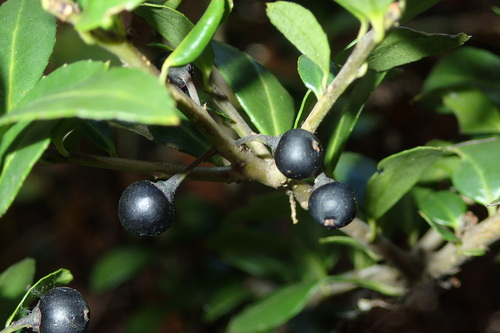
Puedes ver Japanese Holly, Asian Jumpseed y Violetas.
Ver guía →




_Fumaria_officinalis_-_Habit.jpg&width=800)