Lepisosteus oculatus
Lepisosteus oculatus
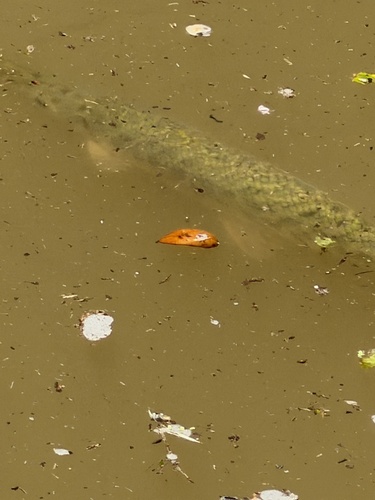
El Pez Lagarto Manchado es un pez largo y elegante con una nariz puntiaguda y dientes afilados. Tiene hermosas manchas en su cuerpo y le encanta nadar en aguas lentas como ríos y lagos.
Hábitat: Humedales
El Lepisosteus oculatus tiene un cuerpo alargado y cilíndrico con una espalda de color marrón oliva a verde y un vientre más claro. Está claramente marcado con numerosas manchas oscuras y ovaladas en su cuerpo, cabeza y aletas, junto con un hocico largo y dentado.
Categoría
PecesRareza
Common
Peligro
3/5 · Moderado
Snaps
5
¡Los peces lagarto son 'fósiles vivientes', existiendo en la Tierra durante más de 100 millones de años!
¡Sus huevos de color verde brillante son tóxicos, protegiéndolos de los depredadores!
¡Su hocico largo y estrecho está repleto de cientos de dientes afilados como agujas!
¡A menudo flotan inmóviles, pareciendo un tronco o palo sumergido!
¡Este pez es un cazador sigiloso, emboscando a otros peces y criaturas pequeñas!
Diferencias por edad: Los jóvenes peces lagarto comen insectos y pequeños invertebrados antes de pasar a alimentarse principalmente de peces.
Lepomis macrochirus
Los peces lagarto manchados son depredadores activos de peces más pequeños.
Micropterus salmoides
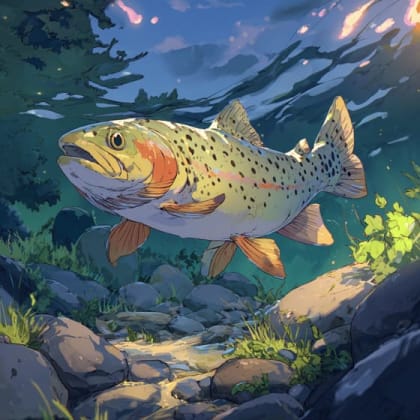
Peces depredadores más grandes depredarán a los peces lagarto jóvenes.
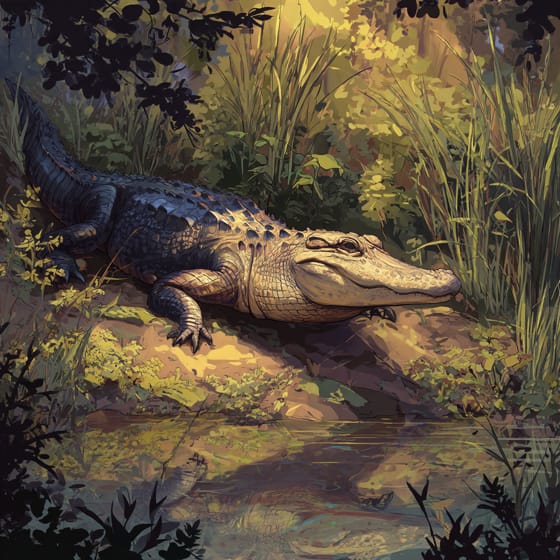
Alligator mississippiensis
Los peces lagarto adultos pueden formar parte de la dieta de un caimán.
Marcado con manchas o parches de un color diferente.
Los animales solitarios viven solos durante la mayor parte de su vida y solo interactúan con otros para aparearse o cuidar de sus crías.
Los organismos piscívoros son animales que subsisten principalmente de una dieta a base de peces.
Este rasgo de hábitat identifica especies que se encuentran en humedales, que son áreas de tierra saturadas de agua, ya sea permanente o estacionalmente, e incluyen marismas, pantanos y ciénagas.

Este rasgo indica que los organismos pertenecen a un grupo evolutivo muy antiguo con antepasados que se remontan a millones de años.

Los hábitats de agua dulce incluyen entornos acuáticos no salinos como ríos, lagos, estanques y humedales, vitales para numerosas especies.

Este rasgo identifica a los organismos cuya dieta consiste total o principalmente en tejido animal.

Este rasgo identifica a los organismos que exhiben una rapidez excepcional en sus movimientos para cazar, escapar o desplazarse.

Los hábitats acuáticos abarcan entornos donde los organismos viven principalmente en el agua, incluidos océanos, ríos, lagos y humedales.
Peligro
3/5 · Moderado
Ten cuidado cerca del agua donde viven los peces lagarto manchados, y siempre pregunta a un adulto antes de explorar.
La forma más fácil de identificar a Lepisosteus oculatus es usar la aplicación de identificación de naturaleza Snappit.
60-90 cm
1-3 kg
8-18 años
¡Este pez es un cazador sigiloso, emboscando a otros peces y criaturas pequeñas!
25 km/h
Humedales
Emboscada
Acércate para separar los grupos y explorar dónde se ha fotografiado este objeto.
6 jun 2026
Alamo Plaza Historic DistrictFuente abierta (iNaturalist) ↗
Créditos de la foto
no rights reserved
Licencia: CC0 1.0 ↗
La imagen puede mostrarse recortada dentro del marco de la carta.

Alabama, US
Puedes ver Sedo Duende, Barnacla Canadiense y Mahonia De Hojas De Cuero.
Ver guía →

Alabama, US
Puedes ver Anolis Verde, Tortuga De Caja Oriental y Helecho Reviviscente.
Ver guía →

Texas, US
Puedes ver Anolis Castaño, Mariposa Fritilar Del Golfo y Jicotea Elegante.
Ver guía →

Texas, US
Puedes ver León Africano, Jirafas y Hipopótamo.
Ver guía →

Texas, US
Puedes ver Ardilla Zorro Oriental, Pato y Petirrojo Americano.
Ver guía →

Alabama, US
Puedes ver Rana Arbórea Verde y Anolis Verde.
Ver guía →
Llévate el descubrimiento
Haz una foto con Snappit, identifica la especie y guarda el hallazgo en tu colección.