






Lesser Scaup
Aythya affinis
The Lesser Scaup is a small duck with a round head and a beautiful blue bill. They love to swim in lakes and ponds, diving underwater to find tasty plants and small fish.
Hábitat: Wetlands
The Lesser Scaup is a medium-sized diving duck. Males have a dark, purplish-glossed head, a grey back, and bright white sides. Females are duller brown with a distinct white patch at the base of their bill and a dark crown, making them visually different from similar ducks.
Categoría
AvesRareza
Common
Peligro
1/5 · Muy bajo
Snaps
¡Sé la primera persona en hacer un snap!
Male Lesser Scaups perform a special head-toss display to attract a mate!
Some Lesser Scaups travel over 5,000 kilometers each year during their amazing migrations.
They are nicknamed "bluebills" because their unique bill often has a bluish-grey color!
They use their strong, flat bills like shovels to pry mussels and snails from the lakebed.
Lesser Scaup can dive up to 20 feet because of their dense bones and powerful webbed feet that help them reach underwater food.
Lesser Scaup has excellent underwater eyesight that helps them spot tiny mussels and aquatic insects in murky waters.
Lesser Scaup can gather in huge groups, called rafts, that helps them stay safe from predators and find food together.
They dive deep to feast on tasty shellfish and aquatic bugs from the bottom of lakes and ponds.
Diferencias por edad: Ducklings primarily eat aquatic insects, while adults consume more mollusks and some plant matter.
Dreissena polymorpha
A major invasive food source
Lampsilis siliquoidea
Key part of their natural diet
Haliaeetus leucocephalus
Often preys on adult ducks
Mustela vison
Raids nests and eats ducklings
Hydrophilus triangularis
Eats larvae of this species
Describe a los animales, principalmente aves, que poseen una cubierta de plumas.
Se caracteriza por tener los dedos conectados por una membrana, lo que generalmente ayuda a nadar.
Los animales sociales viven en grupos organizados, cooperando para obtener beneficios de supervivencia como la búsqueda de alimento, la defensa y la cría de descendencia.
Los filtradores obtienen nutrientes filtrando partículas de alimentos suspendidos y pequeños organismos del agua.

Los organismos piscívoros son animales que subsisten principalmente de una dieta a base de peces.

Este rasgo de hábitat identifica especies que se encuentran en humedales, que son áreas de tierra saturadas de agua, ya sea permanente o estacionalmente, e incluyen marismas, pantanos y ciénagas.

Los hábitats de agua dulce incluyen entornos acuáticos no salinos como ríos, lagos, estanques y humedales, vitales para numerosas especies.

Los animales migratorios emprenden movimientos estacionales de una región a otra, típicamente en respuesta a cambios en el clima o la disponibilidad de alimentos.
Todavía no hay alias listados.
Peligro
1/5 · Muy bajo
Always watch ducks from a distance and don't feed them bread.
38-48 cm
68-76 cm
0.7-1.2 kg
5-18 años
70 km/h
They dive deep to feast on tasty shellfish and aquatic bugs from the bottom of lakes and ponds.
Wetlands
Pursuit
Acércate para separar los grupos y explorar dónde se ha fotografiado este objeto.
Los snaps recientes aparecerán aquí a medida que se añadan nuevas observaciones.
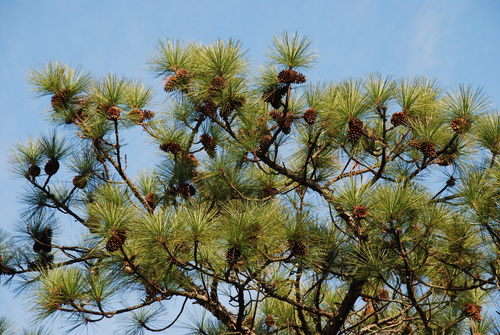
Virginia, US
Puedes ver Pines, Common Milkweed y Sweetbay Magnolia.
Ver guía →
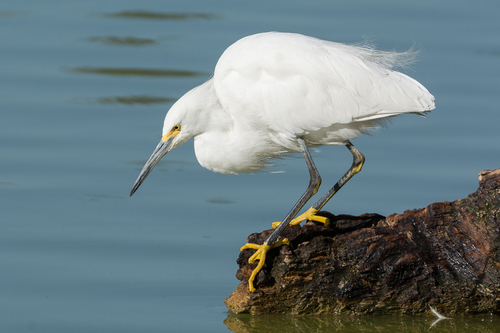
Florida, US
Puedes ver Snowy Egret, Pelícano Pardo y Boat-Tailed Grackle.
Ver guía →

Washington, US
Puedes ver Barnacla Canadiense, Pato y American Coot.
Ver guía →
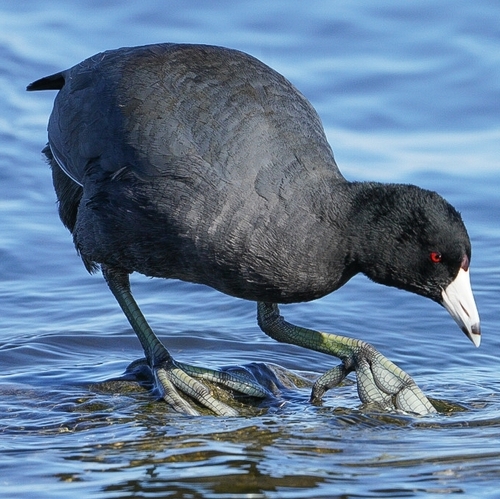
British Columbia, CA
Puedes ver American Coot, Pato y Barnacla Canadiense.
Ver guía →








.jpg&width=800)





.jpg&width=800)

