






linden viburnum
Viburnum dilatatum
The linden viburnum is a beautiful shrub with lovely white flowers that bloom in spring. It has bright red berries in the fall that birds love to eat!
Hábitat: Forests
The linden viburnum is a dense shrub with deeply veined, dull green leaves resembling those of a linden tree. In late spring, it bursts with creamy white flower clusters, followed by vibrant, glossy red berries that persist into winter.
Categoría
PlantasRareza
Common
Peligro
1/5 · Muy bajo
Snaps
¡Sé la primera persona en hacer un snap!
It gets its 'linden' name because its crinkly leaves look a lot like linden tree leaves!
Its leaves transform into a dazzling display of yellow, orange, and red hues each autumn!
The tiny flowers, though small, team up in big clusters to create a magnificent show!
These berries, while beautiful, are a 'no-go' snack for humans, but a feast for birds!
Linden viburnum has bright red berries that cling to its branches, providing crucial food for birds through cold winter months.
Its creamy white flower clusters emit a sweet scent, acting as a strong signal to attract helpful insect pollinators from afar.
The dense, branching structure of the linden viburnum creates excellent shelter and nesting spots for small birds and mammals.
Turdus migratorius
Feasts on its persistent red berries in winter.
Apis mellifera
Visits sweet-scented flowers for nectar and pollen.
Odocoileus virginianus
Browses on its leaves and young stems, especially in winter.
Bombycilla cedrorum
Consumes its abundant red berries throughout the colder months.
Las plantas aromáticas producen y emiten compuestos orgánicos volátiles fragantes, a menudo como defensa o para atraer a los polinizadores.
Las plantas caducifolias pierden periódicamente todas sus hojas, por lo general durante el otoño o las estaciones secas.
Las plantas con flores son cualquier planta que produce flores como parte de su ciclo reproductivo.
Un arbusto es una planta leñosa más pequeña que un árbol, típicamente con múltiples tallos que se ramifican desde o cerca del suelo.

Las plantas de floración primaveral producen sus flores durante la temporada de primavera, lo que a menudo significa el final del invierno y el comienzo de un nuevo crecimiento.

Las flores fragantes emiten un aroma agradable, a menudo para atraer polinizadores o como defensa.

Las plantas frutales producen frutos, que son los ovarios maduros de las plantas con flores que contienen semillas.

Los colores otoñales se refieren al cambio estacional en la pigmentación del follaje, principalmente en plantas de hoja caduca, mostrando tonos vibrantes.

Describe plantas que son particularmente atractivas y beneficiosas para una amplia variedad de organismos polinizadores.

Los hábitats boscosos son entornos terrestres dominados por una densa cubierta arbórea, que sustentan una gran diversidad de vida animal y vegetal.
Todavía no hay alias listados.
Peligro
1/5 · Muy bajo
Always stay on paths when exploring nature and don't eat any berries unless an adult says it's safe.
200-300 cm
200-300 cm
0.5-1 cm
Late spring to early summer
No
Leve
Perenne
Insectos
Acércate para separar los grupos y explorar dónde se ha fotografiado este objeto.
Los snaps recientes aparecerán aquí a medida que se añadan nuevas observaciones.

Maryland, US
Puedes ver Sapo Americano, Ciervo De Cola Blanca y Lesser Celandine.
Ver guía →
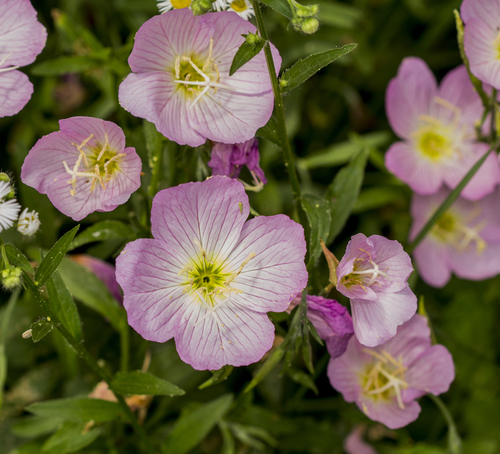
Virginia, US
Puedes ver Pinkladies, Hickories y Japanese Aucuba.
Ver guía →
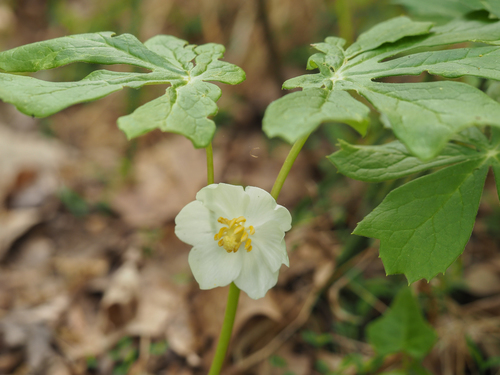
Virginia, US
Puedes ver Mayapple, Fresno Blanco y Multiflora Rose.
Ver guía →
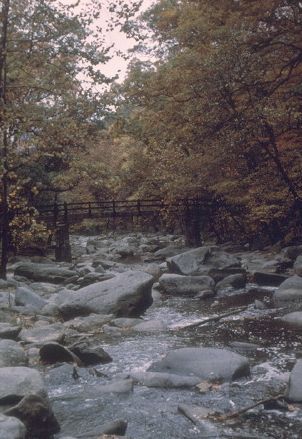
District of Columbia, US
Puedes ver Haya Americana, Christmas Fern y Linden Viburnum.
Ver guía →
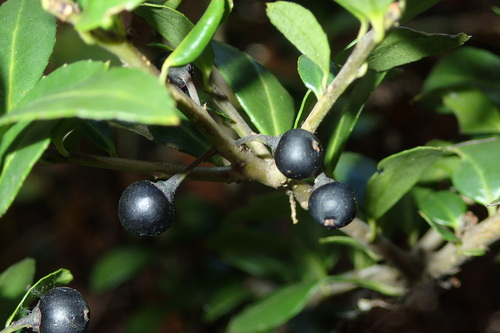
Virginia, US
Puedes ver Japanese Holly, Asian Jumpseed y Violetas.
Ver guía →













