





Listrus
Listrus
Listrus es un tipo especial de insecto al que le encanta saltar por la hierba. Tiene una forma única y se puede encontrar en muchos lugares, ¡lo que lo convierte en un pequeño amigo divertido de descubrir en la naturaleza!
Hábitat: Praderas
El Listrus es un insecto esbelto, típicamente de color verde esmeralda con una armadura brillante y segmentada. Tiene dos grandes ojos compuestos reflectantes y antenas largas y delicadas que a menudo se curvan en las puntas. Sus alas son translúcidas con finas venas plateadas, lo que lo hace visualmente distinto de los escarabajos de hoja comunes.
Categoría
InsectosRareza
Common
Peligro
1/5 · Muy bajo
Snaps
¡Sé la primera persona en hacer un snap!
¡Las antenas de los Listrus pueden 'oler' a los depredadores desde lejos!
¡Algunos Listrus pueden brillar en la oscuridad como diminutas joyas vivientes!
¡Ponen huevos disfrazados de diminutas semillas de plantas!
¡Guau! ¡Sus diminutos cerebros pueden recordar complejas trayectorias de vuelo!
¡Los Listrus mordisquean pequeñas plantas y a veces insectos más pequeños, ayudando a mantener el jardín sano!
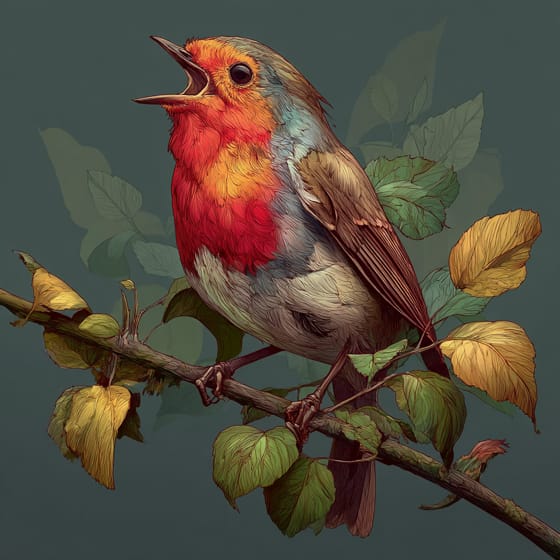
Turdus migratorius
Una fuente de alimento común para muchas especies de aves.
Aphis gossypii
Ayuda a controlar las poblaciones de pequeñas plagas de jardín.

Trifolium repens
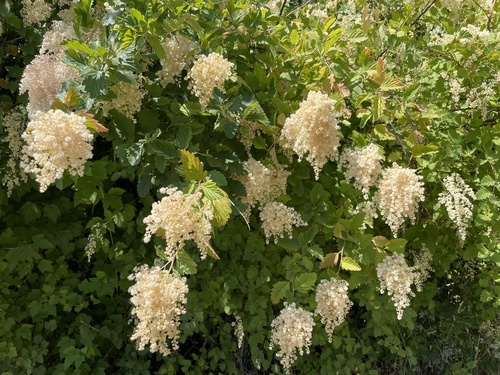
Se alimenta de néctar y ayuda en la reproducción de las plantas.
Los animales sociales viven en grupos organizados, cooperando para obtener beneficios de supervivencia como la búsqueda de alimento, la defensa y la cría de descendencia.
El camuflaje describe a los organismos que poseen colores o patrones que les permiten mezclarse con su entorno.
Este rasgo caracteriza a los organismos cuya dieta consiste total o principalmente en material vegetal.
Describe plantas que son particularmente atractivas y beneficiosas para una amplia variedad de organismos polinizadores.

Los hábitats de pastizales son biomas terrestres dominados por pastos y plantas herbáceas, que sustentan a una variedad de animales de pastoreo.

Los animales diurnos están activos principalmente durante el día y suelen descansar o dormir por la noche.

Relativo a especies que son significativamente más pequeñas que lo típico o promedio de su tipo.

Este rasgo identifica a los organismos que exhiben una rapidez excepcional en sus movimientos para cazar, escapar o desplazarse.

Describe organismos que transfieren polen, permitiendo la fertilización y reproducción de las plantas.
Todavía no hay alias listados.
Peligro
1/5 · Muy bajo
Es mejor observar a los Listrus a distancia y no tocarlos, ya que pueden ser delicados.
La forma más fácil de identificar a Listrus es usar la aplicación de identificación de naturaleza Snappit.
10-20 mm
5-10 mm
30-60 días
5 km/h
¡Los Listrus mordisquean pequeñas plantas y a veces insectos más pequeños, ayudando a mantener el jardín sano!
Praderas
Forrajeo
Acércate para separar los grupos y explorar dónde se ha fotografiado este objeto.
Los snaps recientes aparecerán aquí a medida que se añadan nuevas observaciones.
Llévate el descubrimiento
Haz una foto con Snappit, identifica la especie y guarda el hallazgo en tu colección.






.jpg&width=800)




