





Lithophane dilatocula
Lithophane dilatocula
La Lithophane dilatocula es una polilla especial que puede camuflarse con su entorno. Tiene hermosos patrones en sus alas que la ayudan a esconderse de los depredadores durante el día.
Hábitat: Bosques
La Lithophane dilatocula tiene alas anteriores moteadas de gris-marrón con patrones crípticos, muy parecidos a la corteza de los árboles, lo que la hace difícil de detectar. Sus alas posteriores son de un gris más pálido. Las alas anteriores, alargadas y estrechas de esta polilla, la distinguen de especies similares.
Categoría
InsectosRareza
Common
Peligro
1/5 · Muy bajo
Snaps
¡Sé la primera persona en hacer un snap!
¡Las polillas Lithophane dilatocula adultas pueden vivir muchos meses, incluso durante el invierno!
Antes de ser polillas, ¡estos insectos mastican hojas de árboles como orugas!
Su nombre científico, 'dilatocula', significa 'ojo ancho', refiriéndose a una sutil marca en el ala.
¡Esta polilla sorbe néctar de flores usando una probóscide larga en forma de pajita!
La Lithophane dilatocula tiene intrincados patrones en las alas que les ayudan a mimetizarse perfectamente con la corteza de los árboles, haciéndolas casi invisibles para los depredadores.
La Lithophane dilatocula puede sobrevivir inviernos gélidos como polilla adulta entrando en un estado de letargo, emergiendo cuando llega la primavera.
La Lithophane dilatocula tiene una probóscide larga para alcanzar el néctar profundo de las flores, proporcionándoles la energía esencial para el vuelo.
Las polillas adultas beben néctar de flores; las orugas mastican hojas de árboles.
Diferencias por edad: Como orugas, comen hojas de árboles; como polillas adultas, beben néctar.
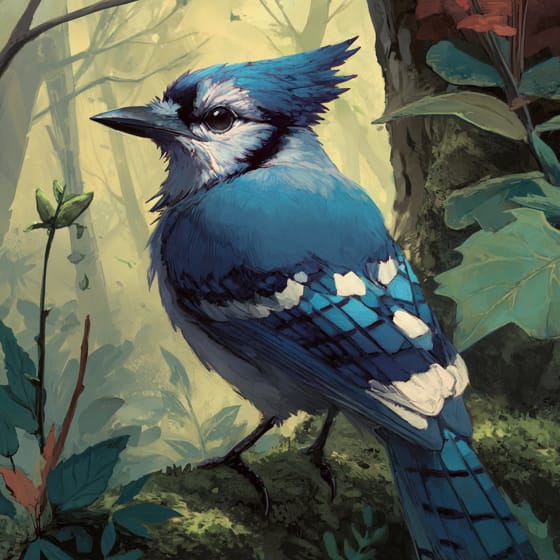
Cyanocitta cristata
Un depredador aviar común.
Myotis lucifugus
Caza polillas adultas por la noche.
Quercus rubra
Las larvas se alimentan de sus hojas.
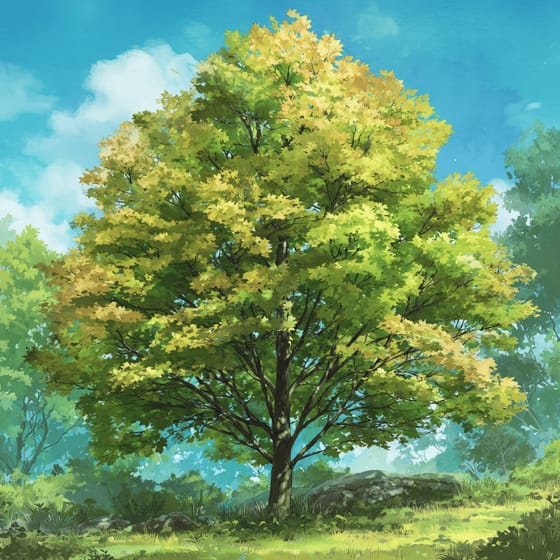
Acer saccharum
Las larvas también comen sus hojas.
Los animales solitarios viven solos durante la mayor parte de su vida y solo interactúan con otros para aparearse o cuidar de sus crías.
El camuflaje describe a los organismos que poseen colores o patrones que les permiten mezclarse con su entorno.
Este rasgo caracteriza a los organismos cuya dieta consiste total o principalmente en material vegetal.
Los hábitats boscosos son entornos terrestres dominados por una densa cubierta arbórea, que sustentan una gran diversidad de vida animal y vegetal.

Los animales nocturnos están principalmente activos durante la noche, y suelen descansar o dormir durante el día.

Describe organismos que transfieren polen, permitiendo la fertilización y reproducción de las plantas.
Peligro
1/5 · Muy bajo
Las polillas suelen ser inofensivas, pero es mejor observarlas sin tocarlas.
La forma más fácil de identificar a Lithophane dilatocula es usar la aplicación de identificación de naturaleza Snappit.
35-45 mm
15-22 mm
180-270 días
15 km/h
Las polillas adultas beben néctar de flores; las orugas mastican hojas de árboles.
Bosques
Búsqueda De Alimento
Acércate para separar los grupos y explorar dónde se ha fotografiado este objeto.
Los snaps recientes aparecerán aquí a medida que se añadan nuevas observaciones.
Llévate el descubrimiento
Haz una foto con Snappit, identifica la especie y guarda el hallazgo en tu colección.








.jpg&width=800)



