



Livilla variegata
Livilla variegata
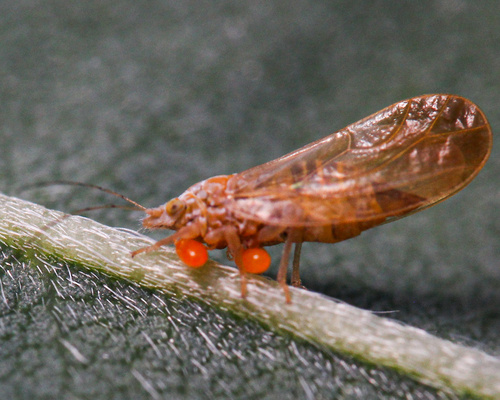
Livilla variegata es un insecto pequeño y colorido al que le encanta esconderse entre las hojas. Tiene patrones brillantes que le ayudan a mimetizarse con las flores y plantas, ¡lo que lo convierte en un hallazgo divertido para los exploradores de la naturaleza!
Hábitat: Zonas urbanas
La Livilla variegata es un insecto diminuto, generalmente marrón o gris moteado con toques de amarillo, lo que la hace mimetizarse perfectamente con la corteza de los árboles. Sus alas claras y delicadas presentan distintivas venas oscuras, lo que la ayuda a distinguirse de otros pequeños insectos que viven en las plantas.
Categoría
InsectosRareza
Común
Peligro
1/5 · Muy bajo
Snaps
¡Sé la primera persona en hacer un snap!
La Livilla variegata a veces hace que las agujas del alerce caigan antes de lo habitual.
¡Los científicos a veces las llaman "piojos saltarines de las plantas" por sus increíbles saltos!
¡Sus crías, llamadas ninfas, secretan "lerps" cerosos para esconderse y protegerse!
¡Están relacionadas con los diminutos pulgones e incluso con las ruidosas cigarras que oyes en verano!
La Livilla variegata puede saltar lejos debido a sus fuertes patas traseras que la ayudan a escapar rápidamente de los depredadores.
La Livilla variegata tiene piezas bucales en forma de aguja que la ayudan a beber savia azucarada de las plantas sin dañar el tallo de la planta.
La Livilla variegata produce melaza dulce, un líquido azucarado que ayuda a alimentar a otros insectos, como las hormigas, en el bosque.
¡Este diminuto insecto es un herbívoro que se alimenta de la savia azucarada de los alerces!

Larix decidua
Se alimenta de la savia, a veces causando daños en las agujas.

Coccinella septempunctata
Las larvas y los adultos los cazan para alimentarse.
Formica rufa
Las hormigas recolectan su dulce melaza para obtener energía.
Los animales solitarios viven solos durante la mayor parte de su vida y solo interactúan con otros para aparearse o cuidar de sus crías.
El camuflaje describe a los organismos que poseen colores o patrones que les permiten mezclarse con su entorno.
Colorido describe a organismos u objetos que exhiben una amplia variedad de colores brillantes y distintivos.
Este rasgo caracteriza a los organismos cuya dieta consiste total o principalmente en material vegetal.
Los animales diurnos están activos principalmente durante el día y suelen descansar o dormir por la noche.
Esta característica de hábitat indica especies que pueden coexistir con los humanos en entornos urbanos y suburbanos, utilizando estructuras artificiales y espacios verdes.
Describe organismos que transfieren polen, permitiendo la fertilización y reproducción de las plantas.
Todavía no hay alias listados.
Peligro
1/5 · Muy bajo
Siempre mira, pero no toques los insectos a menos que un adulto diga que está bien.
Busca seis patas, antenas, tres secciones en el cuerpo y la forma de las alas. Los escarabajos tienen las alas delanteras endurecidas; las moscas solo tienen un par que funciona. Los insectos diminutos pueden necesitar un primer plano antes de que se vea su grupo. Identificador de insectos: sube una foto y compara los detalles visibles.
4-6 mm
2-3 mm
30-60 días
¡Este diminuto insecto es un herbívoro que se alimenta de la savia azucarada de los alerces!
Zonas urbanas
Forrajeo
6
Acércate para separar los grupos y explorar dónde se ha fotografiado este objeto.
Los snaps recientes aparecerán aquí a medida que se añadan nuevas observaciones.
Llévate el descubrimiento
Haz una foto con Snappit, identifica la especie y guarda el hallazgo en tu colección.