






Long-billed Curlew
Numenius americanus
The Long-billed Curlew is a tall bird with a very long, curved bill. It loves to roam the wetlands and grasslands, searching for tasty insects and crustaceans to eat.
Hábitat: Wetlands
The Long-billed Curlew is a large shorebird with warm cinnamon-brown plumage and distinct streaks on its head and neck. Its most striking feature is an incredibly long, slender, and distinctly downcurved bill. Pale blue-grey legs contrast with its earthy tones.
Categoría
AvesRareza
Common
Peligro
1/5 · Muy bajo
Snaps
¡Sé la primera persona en hacer un snap!
Curlews can poke their bill into mud up to its full length.
Their extra-long bill can be up to eight inches!
These birds migrate in large flocks across continents.
They lay their eggs right on the ground in a simple scrape.
Long-billed Curlews can reach deep into the mud because of their extra-long, curved bill that helps them find hidden prey.
Long-billed Curlews have streaky brown feathers that help them blend perfectly into tall prairie grasses to hide from predators.
Long-billed Curlews can perform impressive flight displays and dives that help them defend their nesting territory.
These birds use their super long, curved bill to dig for tasty insects and small critters!
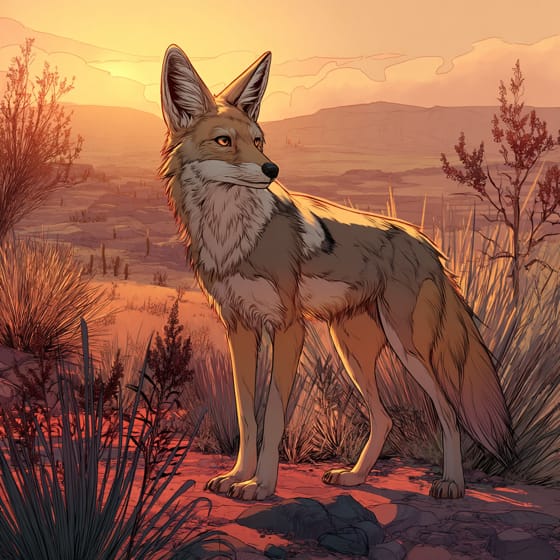
Canis latrans
preys on eggs and young curlews
Vulpes vulpes
hunts chicks and adult birds
Schistocerca americana
eats many insects from grasslands
Callinectes sapidus
probes muddy areas for small crabs
Describe a los animales, principalmente aves, que poseen una cubierta de plumas.
Los animales sociales viven en grupos organizados, cooperando para obtener beneficios de supervivencia como la búsqueda de alimento, la defensa y la cría de descendencia.
Este rasgo identifica a los organismos cuya dieta consiste principalmente en insectos y otros pequeños invertebrados.
Los hábitats de pastizales son biomas terrestres dominados por pastos y plantas herbáceas, que sustentan a una variedad de animales de pastoreo.

Este rasgo de hábitat identifica especies que se encuentran en humedales, que son áreas de tierra saturadas de agua, ya sea permanente o estacionalmente, e incluyen marismas, pantanos y ciénagas.

Los animales diurnos están activos principalmente durante el día y suelen descansar o dormir por la noche.

Este rasgo identifica a los organismos que exhiben una rapidez excepcional en sus movimientos para cazar, escapar o desplazarse.

Los animales migratorios emprenden movimientos estacionales de una región a otra, típicamente en respuesta a cambios en el clima o la disponibilidad de alimentos.

El estado de peligro de extinción indica que una especie corre un riesgo muy alto de extinguirse en estado silvestre en un futuro próximo.
Todavía no hay alias listados.
Peligro
1/5 · Muy bajo
Always watch birds from a distance so they feel safe and happy.
50-65 cm
80-90 cm
0.6-1 kg
8-12 años
70 km/h
These birds use their super long, curved bill to dig for tasty insects and small critters!
Wetlands
Foraging
Acércate para separar los grupos y explorar dónde se ha fotografiado este objeto.
Los snaps recientes aparecerán aquí a medida que se añadan nuevas observaciones.




.jpg)
.jpg&width=800)


.jpg&width=800)







.jpg&width=800)