Long-Leaved Redtop-Panicgrass
coleataenia longifolia
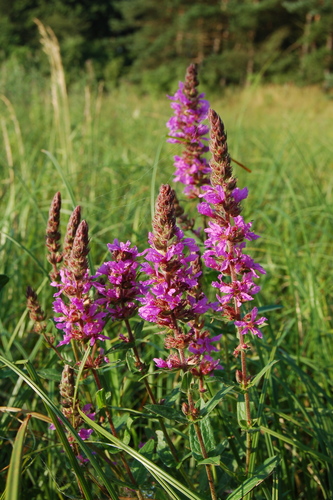
The Long-Leaved Redtop-Panicgrass has tall, slender leaves that dance in the breeze. This grass is a favorite spot for butterflies and other tiny creatures to play and hide!
Hábitat: It typically grows in grassy fields and along roadsides.
The Long-Leaved Redtop-Panicgrass has slender stems reaching up to three feet tall, adorned with long, flat, strap-like leaves that can display a reddish or purplish hue, especially in direct sunlight. Its airy flower clusters, known as panicles, emerge in late summer, giving it a soft, feathery appearance.
Categoría
PlantasRareza
Common
Peligro
0/5 · Sin peligro conocido
Snaps
¡Sé la primera persona en hacer un snap!
Even when dry, its reddish leaves provide beautiful color in winter landscapes!
Its scientific name, Coleataenia, means 'sheathed ribbon,' describing its leaves!
Many tiny insects use this grass as a safe hiding spot from predators.
This grass can help stop soil from washing away, protecting valuable land.
Long-Leaved Redtop-Panicgrass can develop reddish or purplish leaves, which may help it cope with stress or sun exposure.
Long-Leaved Redtop-Panicgrass has numerous tiny seeds that are easily dispersed by wind and consumed by birds, aiding its spread.
Long-Leaved Redtop-Panicgrass has a fibrous root system that helps it prevent soil erosion in open, disturbed areas.
Cardinalis cardinalis
Eats its abundant seeds during fall and winter.
Melospiza melodia
Feeds on seeds, often scratching them from the ground.
Schistocerca americana
Larvae and adults graze on the leaves of various grasses.

Peromyscus leucopus
Uses dense grass clumps for cover and nesting material.
Los animales solitarios viven solos durante la mayor parte de su vida y solo interactúan con otros para aparearse o cuidar de sus crías.
Colorido describe a organismos u objetos que exhiben una amplia variedad de colores brillantes y distintivos.
Este rasgo caracteriza a los organismos cuya dieta consiste total o principalmente en material vegetal.
Los hábitats de pastizales son biomas terrestres dominados por pastos y plantas herbáceas, que sustentan a una variedad de animales de pastoreo.

Los animales diurnos están activos principalmente durante el día y suelen descansar o dormir por la noche.
Peligro
0/5 · Sin peligro conocido
Todavía no hay notas especiales de seguridad.
30-90 cm
Summer to fall
No
Ninguna
Perenne
Viento
It typically grows in grassy fields and along roadsides.
Acércate para separar los grupos y explorar dónde se ha fotografiado este objeto.
Los snaps recientes aparecerán aquí a medida que se añadan nuevas observaciones.