






Long-toed Salamander
Ambystoma macrodactylum
The Long-toed Salamander is a special little creature with long toes that help it swim and dig. It has a smooth body and loves to live in wet places like ponds and marshes.
Hábitat: Wetlands
The Long-toed Salamander has a dark body, often black or dark brown, covered with bright yellow to greenish-yellow irregular blotches or a broken stripe down its back. Its most notable feature is the unusually long fourth toe on its hind feet, giving it its name. Its belly is typically dark.
Categoría
AnfibiosRareza
Common
Peligro
1/5 · Muy bajo
Snaps
¡Sé la primera persona en hacer un snap!
Female salamanders can lay hundreds of eggs in a single season!
They can live underwater as wiggly larvae for several months!
They mostly hunt at night, searching for yummy insects in the dark!
Underground burrows are their cozy homes for much of the year!
Long-toed Salamander has super long toes that help them climb over slippery rocks and grab onto plants.
Long-toed Salamander can breathe partly through their moist skin, allowing them to absorb oxygen from water and air.
Long-toed Salamander can drop its tail when grabbed, distracting predators while it slips away to safety.
Tiny predators, these salamanders slurp up small insects, worms, and other invertebrates with their sticky tongues.
Diferencias por edad: Larvae eat aquatic insects, while adults mostly hunt on land.
Lumbricus terrestris
a favorite meal in their moist habitat.
Thamnophis sirtalis
a common predator of adult salamanders.
Oncorhynchus mykiss
predators of their larvae in ponds.
Limax maximus
an occasional snack for these amphibians.
Se caracteriza por tener los dedos conectados por una membrana, lo que generalmente ayuda a nadar.
Marcado con manchas o parches de un color diferente.
Los animales solitarios viven solos durante la mayor parte de su vida y solo interactúan con otros para aparearse o cuidar de sus crías.
Colorido describe a organismos u objetos que exhiben una amplia variedad de colores brillantes y distintivos.

Los animales excavadores cavan túneles y cámaras en el suelo y utilizan estas estructuras subterráneas para refugiarse, cazar o reproducirse.

Este rasgo identifica a los organismos cuya dieta consiste principalmente en insectos y otros pequeños invertebrados.

Este rasgo de hábitat identifica especies que se encuentran en humedales, que son áreas de tierra saturadas de agua, ya sea permanente o estacionalmente, e incluyen marismas, pantanos y ciénagas.

El estado de peligro de extinción indica que una especie corre un riesgo muy alto de extinguirse en estado silvestre en un futuro próximo.
Todavía no hay alias listados.
Peligro
1/5 · Muy bajo
If you see a salamander, watch it from a distance and don't touch it. They are delicate and need to stay safe.
4-12 cm
0.002-0.008 kg
5-15 años
0.1 km/h
Tiny predators, these salamanders slurp up small insects, worms, and other invertebrates with their sticky tongues.
Wetlands
Ambush y Foraging
50-400
Acércate para separar los grupos y explorar dónde se ha fotografiado este objeto.
Los snaps recientes aparecerán aquí a medida que se añadan nuevas observaciones.
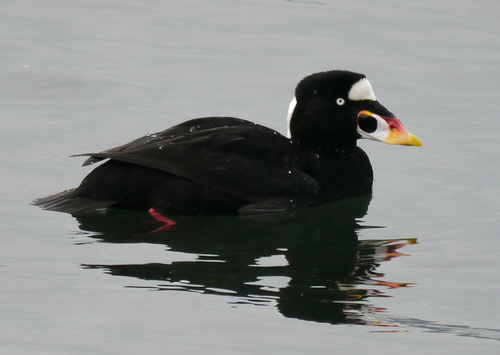
Washington, US
Puedes ver Surf Scoter, Eastern Cottontail y Rosa Silvestre.
Ver guía →
.jpg)
California, US
Puedes ver Long-Billed Curlew, Snowy Plover y Sanderling.
Ver guía →

Washington, US
Puedes ver Lagartija Espinosa Del Oeste y Ciervo Mulo.
Ver guía →

British Columbia, CA
Puedes ver Greater Yellowlegs, Glaucous-Winged Gull y Haya Europea.
Ver guía →
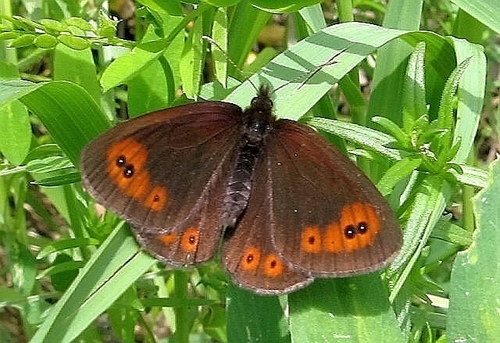
British Columbia, CA
Puedes ver Common Alpine, Common Juniper y Field Chickweed.
Ver guía →
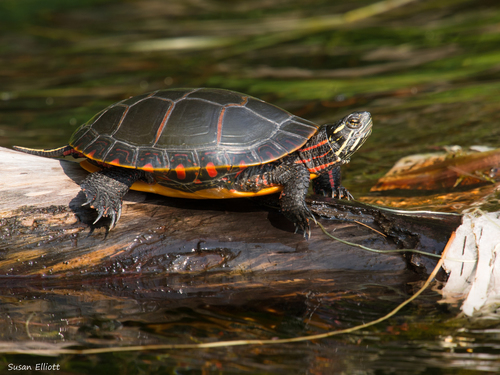
British Columbia, CA
Puedes ver Tortuga Pintada, Antelope Bitterbrush y Western Tiger Beetle.
Ver guía →









.jpg&width=800)








