.jpg&width=800)





Macrurocampa
macrurocampa
La Macrurocampa es un insecto fascinante al que le encanta revolotear por los jardines de noche. Con sus alas coloridas, ¡alegra a quienes la observan bajo la luz de la luna!
Hábitat: Las polillas Macrurocampa se pueden encontrar en jardines, bosques y prados, donde pueden encontrar fácilmente flores para alimentarse.
La Macrurocampa es una polilla de tamaño mediano con intrincados patrones moteados de gris, marrón y negro, que se asemejan a la corteza de un árbol. Sus alas a menudo tienen líneas dentadas y un distintivo mechón 'prominente' en su espalda, lo que la ayuda a mimetizarse perfectamente con su entorno boscoso.
Categoría
InsectosRareza
Common
Peligro
0/5 · Sin peligro conocido
Snaps
¡Sé la primera persona en hacer un snap!
Las polillas Macrurocampa bebés, llamadas orugas, pueden cambiar el color de su piel a medida que crecen.
¡Algunas orugas de Macrurocampa construyen una notable 'cadena de excrementos' con sus propias heces!
¡Sus antenas plumosas supersensibles pueden oler a una pareja a varias millas de distancia!
Al descansar, estas polillas pliegan sus alas en una forma única y prominente para esconder su cabeza.
La Macrurocampa tiene patrones moteados de gris y marrón que la ayudan a desaparecer contra la corteza de los árboles, lo que dificulta que los depredadores la detecten.
La Macrurocampa puede sentir vibraciones sutiles a través de pelos especializados, lo que la ayuda a detectar depredadores que se acercan o a encontrar pareja en la oscuridad.
La Macrurocampa puede liberar pequeñas señales olfativas llamadas feromonas, lo que la ayuda a encontrar otras polillas a gran distancia para aparearse.
Las larvas de Macrurocampa mastican hojas de árboles, mientras que los adultos disfrutan sorbiendo néctar dulce y savia de árboles.
Diferencias por edad: Las larvas (orugas) comen hojas; los adultos consumen principalmente néctar y savia.
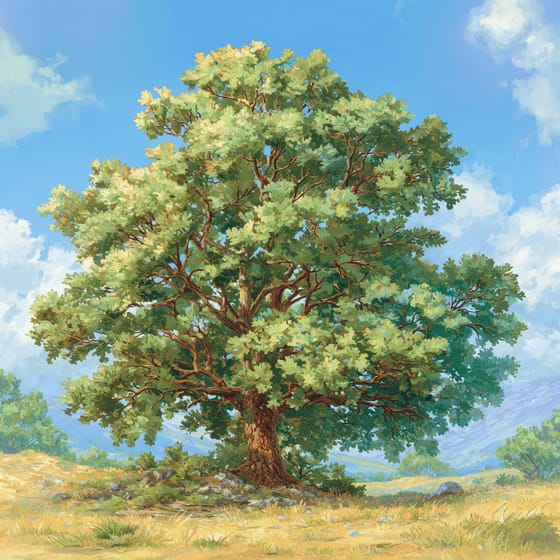
Quercus alba
las larvas se alimentan de sus hojas
Acer saccharum
las larvas se alimentan de sus hojas
Myotis lucifugus
caza adultos por la noche
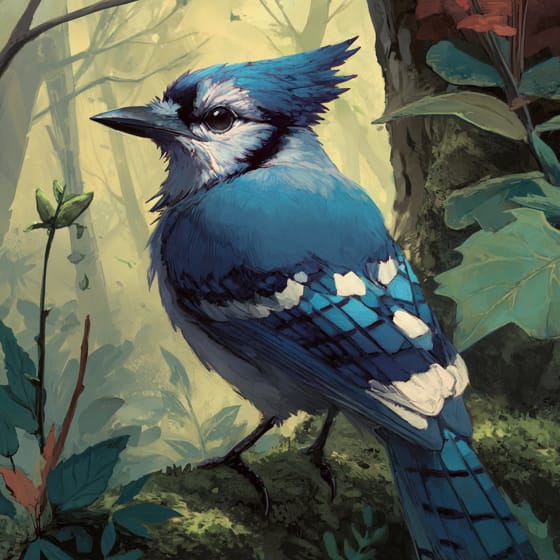
Cyanocitta cristata
come tanto larvas como adultos
Los animales solitarios viven solos durante la mayor parte de su vida y solo interactúan con otros para aparearse o cuidar de sus crías.
El camuflaje describe a los organismos que poseen colores o patrones que les permiten mezclarse con su entorno.
Colorido describe a organismos u objetos que exhiben una amplia variedad de colores brillantes y distintivos.
Los animales nocturnos están principalmente activos durante la noche, y suelen descansar o dormir durante el día.

Describe organismos que transfieren polen, permitiendo la fertilización y reproducción de las plantas.
Peligro
0/5 · Sin peligro conocido
Todavía no hay notas especiales de seguridad.
La forma más fácil de identificar a Macrurocampa es usar la aplicación de identificación de naturaleza Snappit.
30-50 mm
15-25 mm
25-60 días
10 km/h
Las larvas de Macrurocampa mastican hojas de árboles, mientras que los adultos disfrutan sorbiendo néctar dulce y savia de árboles.
Las polillas Macrurocampa se pueden encontrar en jardines, bosques y prados, donde pueden encontrar fácilmente flores para alimentarse.
Forrajeo
Acércate para separar los grupos y explorar dónde se ha fotografiado este objeto.
Los snaps recientes aparecerán aquí a medida que se añadan nuevas observaciones.
Llévate el descubrimiento
Haz una foto con Snappit, identifica la especie y guarda el hallazgo en tu colección.









.jpg&width=800)



