Many-Rooted Earthball
scleroderma polyrhizum
The Many-Rooted Earthball is a fascinating fungus that forms in the ground like a hidden treasure! It has a unique shape that makes it look like a small ball, and it plays an important role in the forest ecosystem.
Hábitat: They live in forests and woodlands, often found in rich, damp soil.
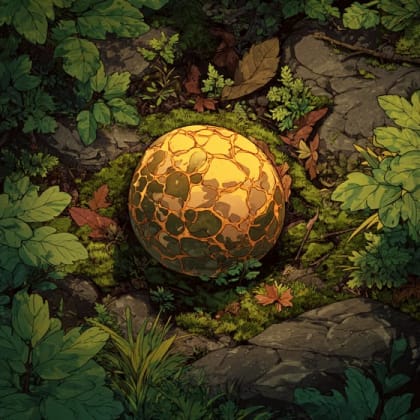
The Many-Rooted Earthball is a firm, round to flattened fungus, typically yellowish-brown to tan. Its thick, leathery skin often cracks into irregular scales, revealing a darker interior. Distinctive rope-like root structures (rhizomorphs) anchor it to the ground.
Categoría
HongosRareza
Common
Peligro
2/5 · Bajo
Snaps
¡Sé la primera persona en hacer un snap!
It looks like a cracked, leathery potato or a dry dirt clod!
Its scientific name 'polyrhizum' means 'many roots'!
Stepping on it creates a puff of dark, dusty "smoke"!
When mature, it splits open like a star to release spores!
Many-Rooted Earthball has thick, rope-like rhizomorphs that help them firmly anchor to the soil.
Many-Rooted Earthball can release a dark, smoky cloud of spores when disturbed, helping them spread far!
Many-Rooted Earthball has a tough, leathery outer skin that helps them protect their delicate insides.
Pinus sylvestris
Forms beneficial root associations
Quercus robur
Forms beneficial root associations
Picea abies
Forms beneficial root associations
Los animales solitarios viven solos durante la mayor parte de su vida y solo interactúan con otros para aparearse o cuidar de sus crías.
Colorido describe a organismos u objetos que exhiben una amplia variedad de colores brillantes y distintivos.
Los animales excavadores cavan túneles y cámaras en el suelo y utilizan estas estructuras subterráneas para refugiarse, cazar o reproducirse.
Los hábitats boscosos son entornos terrestres dominados por una densa cubierta arbórea, que sustentan una gran diversidad de vida animal y vegetal.

Describe a los organismos que descomponen la materia orgánica muerta, reciclando los nutrientes de vuelta al ecosistema.
Peligro
2/5 · Bajo
Do not touch or eat them, they can be toxic!
5-15 cm
poisonous
They live in forests and woodlands, often found in rich, damp soil.
soil
Late summer to fall
Purplish-brown
Acércate para separar los grupos y explorar dónde se ha fotografiado este objeto.
Los snaps recientes aparecerán aquí a medida que se añadan nuevas observaciones.