






Margined White
Pieris marginalis
The Margined White is a beautiful butterfly with white wings and black edges. It loves to flutter around gardens and fields, bringing joy to everyone who sees it.
Hábitat: Grasslands
The Margined White is a medium-sized butterfly with white wings, often showing faint dark scaling along the margins, especially on females. Its undersides can have a yellowish tint or dark dust-like scaling along veins, differentiating it from similar white butterflies.
Categoría
InsectosRareza
Common
Peligro
1/5 · Muy bajo
Snaps
¡Sé la primera persona en hacer un snap!
It's like a tiny flying map-maker, finding its way using the sun!
Margined Whites are great at 'playing dead' if they feel threatened!
Some Margined Whites can produce two generations of butterflies in a single year!
This butterfly starts as a hungry caterpillar that loves to munch on mustard plants!
Margined White can blend into dappled sunlight because of its white wings and subtle markings that help it hide from predators.
Margined White has special sensors on its feet that help it 'taste' leaves to find the perfect spot to lay eggs.
Margined White can sip sweet nectar from flowers using its long proboscis, helping it fuel its flights and pollinate plants.
Adult Margined Whites drink flower nectar; caterpillars munch on plants from the mustard family.
Diferencias por edad: Larvae (caterpillars) feed on leaves of host plants, while adults drink nectar from flowers.
Cardamine nuttallii
Its leaves are food for Margined White caterpillars.
Dentaria californica
Young caterpillars munch on this plant's leaves.

Cyanocitta stelleri
This bird may hunt and eat Margined White adults.
Araneus diadematus
Spiders can ambush unwary butterflies in their webs.
Solidago canadensis
Adult butterflies visit its flowers for nectar, spreading pollen.
Colorido describe a organismos u objetos que exhiben una amplia variedad de colores brillantes y distintivos.
Este rasgo caracteriza a los organismos cuya dieta consiste total o principalmente en material vegetal.
Describe plantas que son particularmente atractivas y beneficiosas para una amplia variedad de organismos polinizadores.
Los hábitats de pastizales son biomas terrestres dominados por pastos y plantas herbáceas, que sustentan a una variedad de animales de pastoreo.

Los animales diurnos están activos principalmente durante el día y suelen descansar o dormir por la noche.

Los animales migratorios emprenden movimientos estacionales de una región a otra, típicamente en respuesta a cambios en el clima o la disponibilidad de alimentos.

Describe organismos que transfieren polen, permitiendo la fertilización y reproducción de las plantas.
Todavía no hay alias listados.
Peligro
1/5 · Muy bajo
Butterflies are gentle creatures; just watch them from a distance.
35-50 mm
15-25 mm
10-20 días
15 km/h
Adult Margined Whites drink flower nectar; caterpillars munch on plants from the mustard family.
Grasslands
Foraging
6
Acércate para separar los grupos y explorar dónde se ha fotografiado este objeto.
Los snaps recientes aparecerán aquí a medida que se añadan nuevas observaciones.

California, US
Puedes ver Pacific Hound's Tongue, Pacific Trillium y Secuoya.
Ver guía →
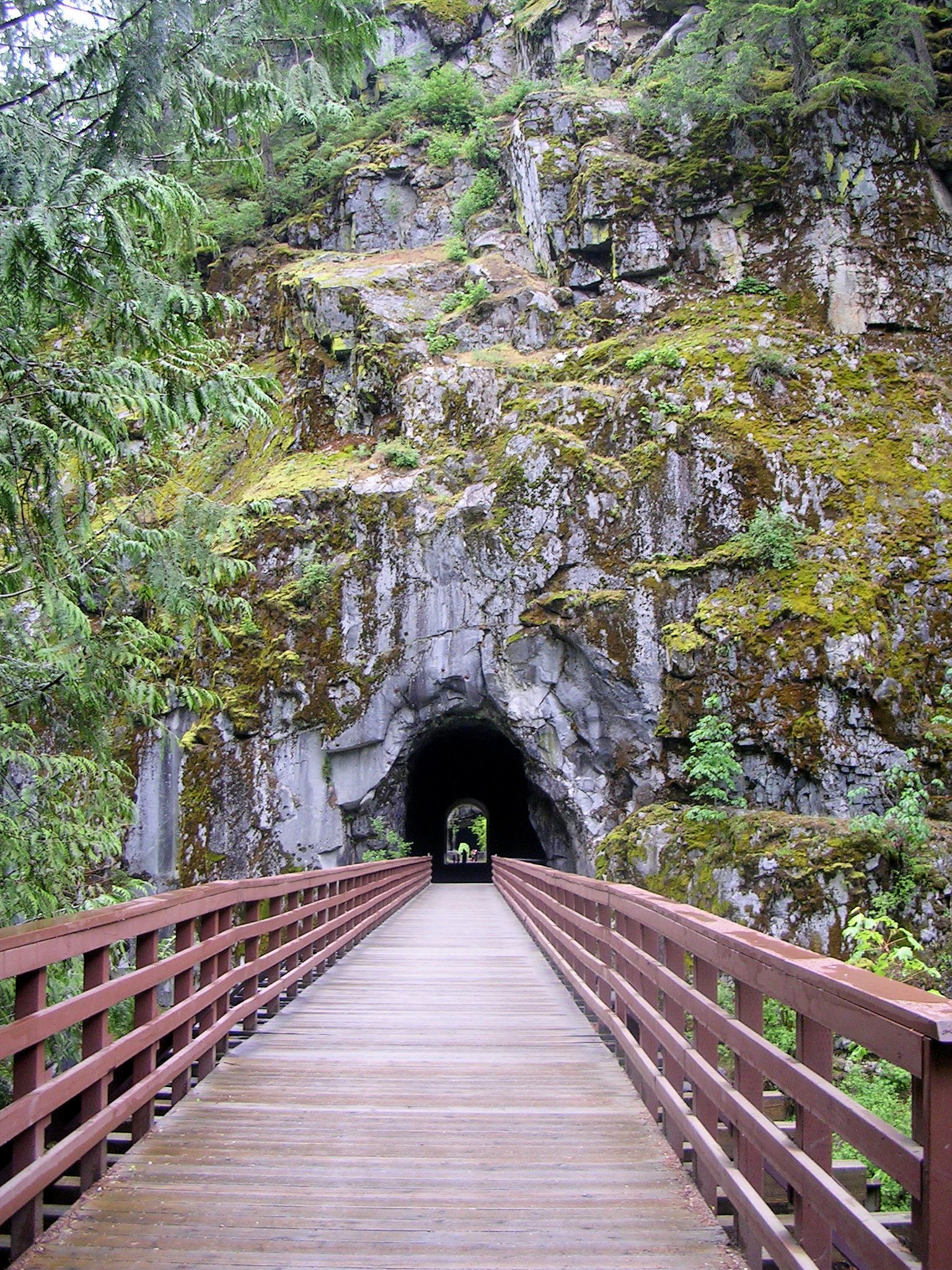
British Columbia, CA
Puedes ver Western Sword Fern, Vine Maple y Thimbleberry.
Ver guía →
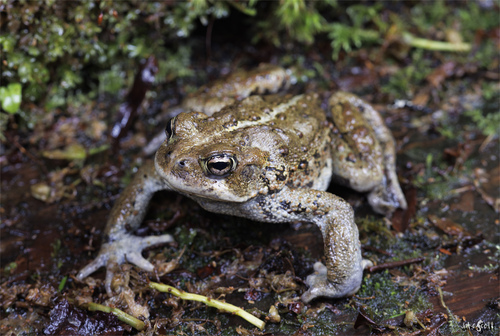
British Columbia, CA
Puedes ver Western Toad, Himalayan Balsam y Western Sword Fern.
Ver guía →











