
.jpg&width=800)





Marsh Flatsedge
cyperus pseudovegetus
Marsh Flatsedge is a tall grass-like plant that grows in wet areas! Its unique shape and texture make it a fun plant to discover while exploring nature.
Hábitat: Marshes and wetlands, often found near water.
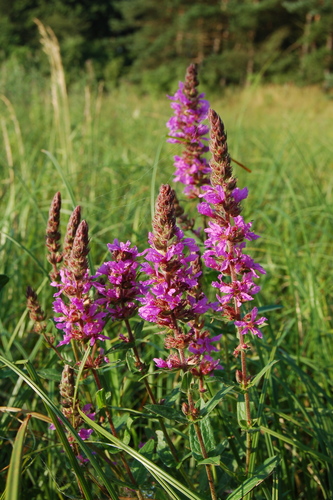
The Marsh Flatsedge is a grass-like plant with distinct, sharply triangular stems that grow upright. It has slender, light green leaves and clusters of small, greenish-yellowish spikelets at the stem tips, which are quite inconspicuous.
Categoría
PlantasRareza
Common
Peligro
0/5 · Sin peligro conocido
Snaps
¡Sé la primera persona en hacer un snap!
Birds love to snack on the tiny seeds hidden inside its spikelets.
It grows best when its 'feet' are wet, often standing in shallow water.
Its stems are so triangular you can actually feel the sharp edges!
Some scientists call it 'false sedge' because it often looks like a grass!
Marsh Flatsedge can thrive in super wet soil that most plants can't, helping it survive in soggy marshlands.
Marsh Flatsedge has strong roots that anchor soil in place, helping prevent it from washing away during floods.
Marsh Flatsedge can absorb extra nutrients from water, helping to keep its wetland home cleaner.
Anas platyrhynchos
consumes its small seeds
Ondatra zibethicus
feeds on its plant parts
Hyla cinerea
hides among its dense stems
Este rasgo caracteriza a los organismos cuya dieta consiste total o principalmente en material vegetal.
Los hábitats costeros son entornos dinámicos situados a lo largo de la interfaz entre la tierra y el mar, influenciados por las mareas, las olas y el agua salada.
Los animales diurnos están activos principalmente durante el día y suelen descansar o dormir por la noche.
Los hábitats acuáticos abarcan entornos donde los organismos viven principalmente en el agua, incluidos océanos, ríos, lagos y humedales.

Describe organismos que transfieren polen, permitiendo la fertilización y reproducción de las plantas.
Peligro
0/5 · Sin peligro conocido
Todavía no hay notas especiales de seguridad.
30-90 cm
15-45 cm
1-3 cm
Late spring to fall
No
Ninguna
Perenne
Viento
Acércate para separar los grupos y explorar dónde se ha fotografiado este objeto.
Los snaps recientes aparecerán aquí a medida que se añadan nuevas observaciones.









.jpg&width=800)









