






Marsh Rabbit
Sylvilagus palustris
The Marsh Rabbit is a small, fluffy rabbit that loves to live in wet areas like marshes and swamps. They have big ears and a short tail, making them super cute and fun to watch!
Hábitat: Wetlands
The Marsh Rabbit is a medium-sized rabbit with short, rounded ears and a dark, reddish-brown coat. Its coarse, water-repellent fur helps it stay dry, and unlike other rabbits, its tail is dark brown all over, not white underneath.
Categoría
MamíferosRareza
Common
Peligro
1/5 · Muy bajo
Snaps
¡Sé la primera persona en hacer un snap!
Marsh Rabbits can actually dive completely underwater to hide from danger!
They leave a distinct scent trail when traveling through their swampy home.
They often build their nests on small dry mounds of vegetation.
Unlike most rabbits, their tail is dark brown all over, not fluffy white.
Marsh Rabbits can swim powerfully underwater to escape predators or find food in their wetland home.
Marsh Rabbits have small, rounded ears that help them move easily through dense marsh plants without snagging.
Marsh Rabbits have coarse, dark fur that blends perfectly with muddy banks and dark water, making them hard to spot.
These plant-eaters munch on wetland grasses and aquatic plants found in their watery home!
Alligator mississippiensis
A major predator in their wetland habitat.
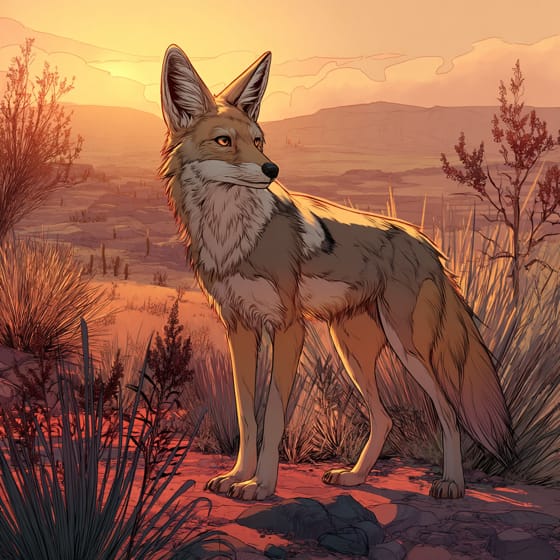
Canis latrans
Hunts rabbits and small animals near water.
Bubo virginianus
Preys on them during twilight hours.
Typha latifolia
A common aquatic plant in their diet.
Juncus roemerianus
Feeds on this common marsh plant.
Peludo describe a los animales que poseen una cubierta densa de pelo o pelaje suave.
Los animales solitarios viven solos durante la mayor parte de su vida y solo interactúan con otros para aparearse o cuidar de sus crías.
Este rasgo caracteriza a los organismos cuya dieta consiste total o principalmente en material vegetal.
Este rasgo de hábitat identifica especies que se encuentran en humedales, que son áreas de tierra saturadas de agua, ya sea permanente o estacionalmente, e incluyen marismas, pantanos y ciénagas.

Los animales nocturnos están principalmente activos durante la noche, y suelen descansar o dormir durante el día.
Todavía no hay alias listados.
Peligro
1/5 · Muy bajo
If you see a rabbit in the wild, watch it from a distance and don't try to touch it.
43-45 cm
1.6-1.7 kg
1-4 años
29 km/h
These plant-eaters munch on wetland grasses and aquatic plants found in their watery home!
Wetlands
Foraging
2-4
Acércate para separar los grupos y explorar dónde se ha fotografiado este objeto.
Los snaps recientes aparecerán aquí a medida que se añadan nuevas observaciones.
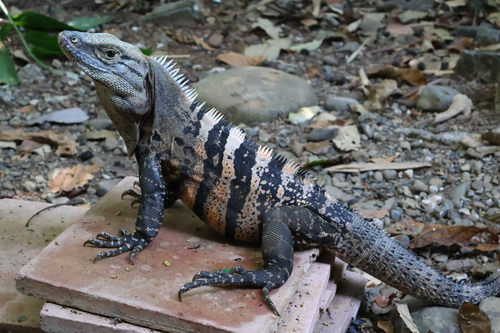
Florida, US
Puedes ver Black Spiny-Tailed Iguana, Anolis Castaño y Sea Grape.
Ver guía →

Florida, US
Puedes ver Garza Azulada, Laughing Gull y Florida Rosemary.
Ver guía →
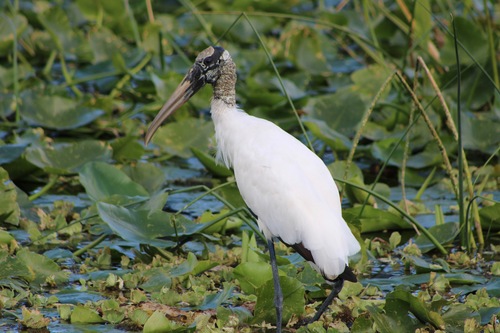
Florida, US
Puedes ver Wood Stork, Anolis Castaño y Taro.
Ver guía →
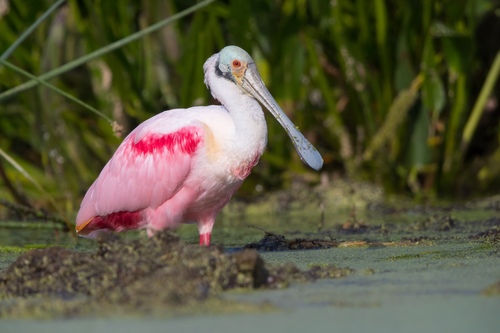
Florida, US
Puedes ver Roseate Spoonbill, Tricolored Heron y Great Egret.
Ver guía →

Florida, US
Puedes ver Firewheel, Black Mangrove y Yaupon Holly.
Ver guía →














_Photograph_By_Shantanu_Kuveskar.jpg&width=800)
