





Marshelder
Euphrosyne xanthiifolia
Marshelder es una planta alta y brillante a la que le encanta crecer en lugares soleados. Tiene hermosas flores amarillas que atraen a mariposas y abejas, lo que la convierte en un lugar feliz en la naturaleza.
Hábitat: Humedales
El Marshelder es una planta alta y tupida con hojas grandes y profundamente dentadas que son de color verde claro por encima y más pálidas por debajo. Sus pequeñas y discretas cabezas florales de color amarillo verdoso crecen en densos racimos en las puntas de sus ramas. A menudo tiene una apariencia robusta y ramificada.
Categoría
PlantasRareza
Common
Peligro
1/5 · Muy bajo
Snaps
¡Sé la primera persona en hacer un snap!
¡Marshelder puede crecer más de 3 metros de altura, a veces pareciendo un árbol pequeño y frondoso!
¡Marshelder es súper resistente, creciendo rápidamente incluso en suelos pobres donde otras luchan!
¡El polen de Marshelder, súper ligero, causa muchas alergias a fines del verano!
¡Las diminutas semillas de Marshelder pueden esperar décadas en el suelo, y luego brotar cuando se las molesta!
El Marshelder puede crecer increíblemente rápido y alto, lo que le ayuda a sombrear a las plantas más pequeñas para ganar más luz solar y espacio.
El Marshelder tiene muchas semillas pequeñas y ligeras que pueden flotar en el agua o ser transportadas por el viento, lo que le ayuda a extenderse fácilmente a nuevos lugares.
El Marshelder produce grandes cantidades de polen muy ligero, que el viento transporta fácilmente a lo lejos para ayudar a que crezcan nuevas plantas.
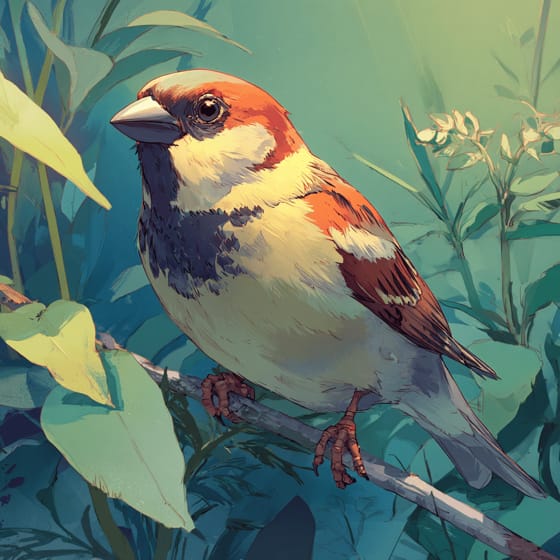
Passer domesticus
Sus pequeñas semillas son una fuente de alimento.
Sitochroa chortalis
Las larvas se alimentan de las hojas.
Glomus intraradices
Forma una asociación útil en sus raíces.
Las plantas con flores son cualquier planta que produce flores como parte de su ciclo reproductivo.
Las plantas de floración de verano producen sus flores durante la temporada estival, a menudo aportando un color vibrante cuando muchas otras plantas ya han terminado de florecer.
Las flores fragantes emiten un aroma agradable, a menudo para atraer polinizadores o como defensa.
Colorido describe a organismos u objetos que exhiben una amplia variedad de colores brillantes y distintivos.

Las plantas de crecimiento rápido exhiben tasas de crecimiento aceleradas, aumentando rápidamente de tamaño y biomasa en un corto período de tiempo.

Describe plantas que son particularmente atractivas y beneficiosas para una amplia variedad de organismos polinizadores.

Este rasgo de hábitat identifica especies que se encuentran en humedales, que son áreas de tierra saturadas de agua, ya sea permanente o estacionalmente, e incluyen marismas, pantanos y ciénagas.
Todavía no hay alias listados.
Peligro
1/5 · Muy bajo
Siempre mira pero no toques las plantas sin preguntar primero a un adulto.
La forma más fácil de identificar a Marshelder es usar la aplicación de identificación de naturaleza Snappit.
100-300 cm
30-100 cm
0.2-0.5 cm
Late summer to fall
No
Ninguna
Anual
Acércate para separar los grupos y explorar dónde se ha fotografiado este objeto.
Los snaps recientes aparecerán aquí a medida que se añadan nuevas observaciones.
Llévate el descubrimiento
Haz una foto con Snappit, identifica la especie y guarda el hallazgo en tu colección.








.jpg&width=800)


_001.jpg&width=800)




