





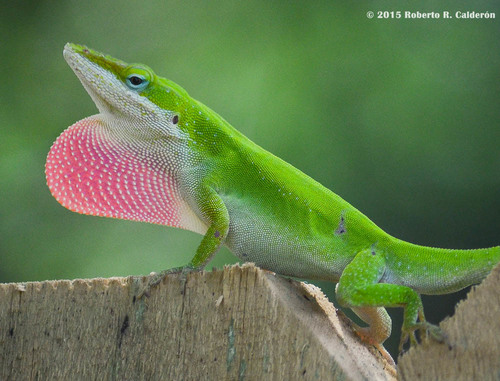
Mediterranean House Gecko
Hemidactylus turcicus
The Mediterranean House Gecko is a small lizard that loves to live near people. They have soft, scaly skin and can change color a little to blend in with their surroundings.
Hábitat: Urban areas
The Mediterranean House Gecko has translucent, bumpy skin, often mottled in shades of gray, tan, or pinkish-brown, allowing it to blend into its surroundings. It possesses large, lidless eyes with vertical pupils and sticky toe pads, making it distinct from many other small lizards.
Categoría
ReptilesRareza
Common
Peligro
1/5 · Muy bajo
Snaps
¡Sé la primera persona en hacer un snap!
Female geckos often lay their eggs in communal spots, sharing safe nurseries for their babies!
These geckos clean their lidless eyes by licking them with their tongue – imagine that!
They can sometimes change their skin color slightly to become a super camouflage master!
You can sometimes see their internal organs through their almost transparent skin!
Mediterranean House Geckos can climb smooth walls and ceilings because of microscopic hairs on their toe pads that provide incredible grip.
Mediterranean House Geckos can detach their tail if caught, which wiggles to distract predators while they run to safety.
Mediterranean House Geckos have huge, lidless eyes with vertical pupils that help them see very well and hunt bugs in the dark.
Mediterranean House Geckos make soft clicking or chirping sounds to talk to each other, especially to defend their territory.
Tiny hunters, they feast on insects and other small invertebrates to stay strong.
Felis catus
Common predator in human-modified environments.
Blattella germanica
A common household pest and food source.
Aedes aegypti
Helps control mosquito populations in homes.
Thamnophis sirtalis
Some native snakes may prey on geckos.
Los animales solitarios viven solos durante la mayor parte de su vida y solo interactúan con otros para aparearse o cuidar de sus crías.
El camuflaje describe a los organismos que poseen colores o patrones que les permiten mezclarse con su entorno.
Este rasgo identifica a los organismos cuya dieta consiste principalmente en insectos y otros pequeños invertebrados.
Los organismos regenerativos poseen la capacidad de volver a desarrollar partes del cuerpo, tejidos u órganos perdidos o dañados.

Esta característica de hábitat indica especies que pueden coexistir con los humanos en entornos urbanos y suburbanos, utilizando estructuras artificiales y espacios verdes.

Los animales nocturnos están principalmente activos durante la noche, y suelen descansar o dormir durante el día.
Peligro
1/5 · Muy bajo
Don't try to catch geckos; they are best left in their homes.
10-15 cm
0.003-0.012 kg
5-10 años
8 km/h
Tiny hunters, they feast on insects and other small invertebrates to stay strong.
Urban areas
Ambush
1-2
Acércate para separar los grupos y explorar dónde se ha fotografiado este objeto.
Los snaps recientes aparecerán aquí a medida que se añadan nuevas observaciones.







.jpg&width=800)






