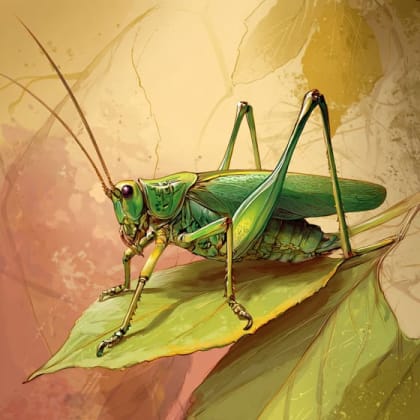


Mediterranean Spiny Stink Bug
Mustha spinosula
The Mediterranean Spiny Stink Bug is a small insect with a spiky back and a strong smell. They are often found in gardens and fields, where they like to munch on plants.
Hábitat: Urban areas
The Mediterranean Spiny Stink Bug has a broad, shield-shaped body, typically appearing in shades of green or mottled brown, often with darker markings. It is visually distinct due to prominent, sharp spines on its shoulders (pronotum), giving it a rugged appearance. Its antennae are segmented and usually darker than its body.
Categoría
InsectosRareza
Common
Peligro
1/5 · Muy bajo
Snaps
¡Sé la primera persona en hacer un snap!
Baby stink bugs, called nymphs, grow by shedding their skin five times!
Its eggs often look like tiny, beautifully decorated barrels with little lids!
They can survive winter by hiding in cracks and under bark until spring!
This bug uses a special 'straw' mouthpart to sip juices from plants and fruits!
Mediterranean Spiny Stink Bug can spray a foul-smelling liquid to deter predators because of special glands near its legs.
Mediterranean Spiny Stink Bug has sharp spines on its body that help protect it from being easily eaten by birds.
Mediterranean Spiny Stink Bug can blend perfectly with green leaves or brown branches to hide from watchful eyes.
This bug sips plant juices with its special straw-like mouthpart.
%2C_Parc_de_Woluw%C3%A9%2C_Brussels_(13042792905).jpg&width=800)
Parus major
Birds like this will prey on adult stink bugs and nymphs.
Araneus diadematus
Spiders often trap stink bugs in their webs.
Trissolcus basalis
This tiny wasp lays its eggs inside stink bug eggs.

Solanum lycopersicum
The bug feeds on the sap from tomato plants and fruits.
Citrus limon
It can feed on the sap and ripening fruits of citrus trees.
Los animales solitarios viven solos durante la mayor parte de su vida y solo interactúan con otros para aparearse o cuidar de sus crías.
Este rasgo caracteriza a los organismos cuya dieta consiste total o principalmente en material vegetal.
Posee proyecciones puntiagudas y afiladas o espinas en el cuerpo o en la superficie.
Los animales diurnos están activos principalmente durante el día y suelen descansar o dormir por la noche.

Esta característica de hábitat indica especies que pueden coexistir con los humanos en entornos urbanos y suburbanos, utilizando estructuras artificiales y espacios verdes.

Describe organismos que transfieren polen, permitiendo la fertilización y reproducción de las plantas.
Todavía no hay alias listados.
Peligro
1/5 · Muy bajo
Don't touch bugs without asking an adult, as some can be smelly or make you itchy.
20-30 mm
10-14 mm
60-120 días
5 km/h
This bug sips plant juices with its special straw-like mouthpart.
Urban areas
Foraging
6
Acércate para separar los grupos y explorar dónde se ha fotografiado este objeto.
Los snaps recientes aparecerán aquí a medida que se añadan nuevas observaciones.