_quadripunctata.jpg&width=800)





Melanthaxia
Melanthaxia
Melanthaxia es un tipo especial de insecto al que le encanta esconderse en flores y plantas. Son pequeños y coloridos, ¡lo que los hace divertidos de detectar en la naturaleza!
Hábitat: Bosques
La Melanthaxia es un escarabajo tenebriónido de tamaño mediano, que típicamente aparece de color negro brillante o marrón muy oscuro. Tiene un cuerpo robusto y ovalado y cubiertas alares endurecidas que protegen sus delicadas alas de vuelo, dándole una apariencia elegante y similar a una armadura.
Categoría
InsectosRareza
Common
Peligro
1/5 · Muy bajo
Snaps
¡Sé la primera persona en hacer un snap!
¡Muchas Melanthaxia pasan la mayor parte de su vida como larvas subterráneas antes de convertirse en escarabajos adultos!
¡Melanthaxia a menudo finge estar muerta para engañar a los depredadores, quedándose perfectamente inmóvil hasta que pasa el peligro!
¡Algunas Melanthaxia pueden sobrevivir meses sin beber, obteniendo toda el agua de su comida!
¡Usan sus antenas para 'oler' y 'sentir' su camino, incluso encontrando pequeños restos de comida!
Melanthaxia tiene un exoesqueleto resistente, similar a una armadura, que les ayuda a resistir ataques de depredadores y a sobrevivir golpes y rasguños.
Melanthaxia puede liberar sustancias químicas apestosas cuando se siente amenazada gracias a glándulas especiales que les ayudan a disuadir a los atacantes hambrientos.
Melanthaxia puede orientarse en la oscuridad gracias a sentidos especializados que les ayudan a buscar alimento y pareja por la noche.
Los escarabajos Melanthaxia son omnívoros, se alimentan de plantas en descomposición, hongos y a veces pequeños insectos.
Diferencias por edad: Las larvas comen principalmente material vegetal en descomposición, mientras que los adultos tienen una dieta ligeramente más amplia que incluye hongos y semillas.
Turdus merula
Ave común de jardín que depreda insectos que viven en el suelo.
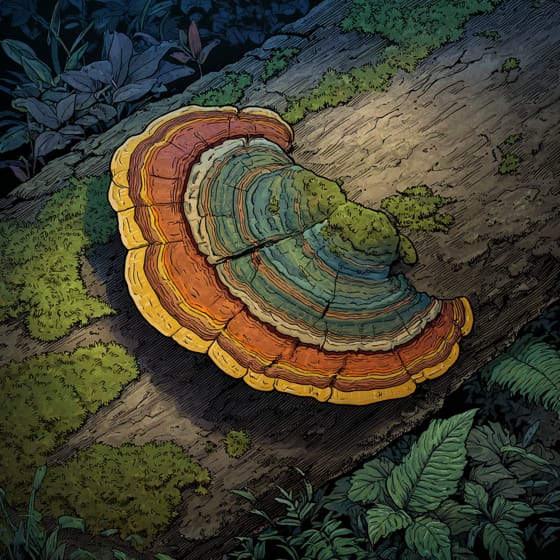
Trametes versicolor
Se alimenta de varios hongos encontrados en madera en descomposición.
Erinaceus europaeus
Mamífero nocturno que busca insectos en el suelo.
Quercus robur
Depende de las hojas caídas para alimento y refugio durante la descomposición.
Los animales solitarios viven solos durante la mayor parte de su vida y solo interactúan con otros para aparearse o cuidar de sus crías.
El camuflaje describe a los organismos que poseen colores o patrones que les permiten mezclarse con su entorno.
Colorido describe a organismos u objetos que exhiben una amplia variedad de colores brillantes y distintivos.
Este rasgo caracteriza a los organismos cuya dieta consiste total o principalmente en material vegetal.

Describe plantas que son particularmente atractivas y beneficiosas para una amplia variedad de organismos polinizadores.

Los hábitats boscosos son entornos terrestres dominados por una densa cubierta arbórea, que sustentan una gran diversidad de vida animal y vegetal.

Los animales diurnos están activos principalmente durante el día y suelen descansar o dormir por la noche.

Relativo a especies que son significativamente más pequeñas que lo típico o promedio de su tipo.

Describe organismos que transfieren polen, permitiendo la fertilización y reproducción de las plantas.
Todavía no hay alias listados.
Peligro
1/5 · Muy bajo
Observa siempre, pero no toques los insectos a menos que sepas que son seguros.
La forma más fácil de identificar a Melanthaxia es usar la aplicación de identificación de naturaleza Snappit.
15-30 mm
8-15 mm
30-180 días
8 km/h
Los escarabajos Melanthaxia son omnívoros, se alimentan de plantas en descomposición, hongos y a veces pequeños insectos.
Bosques
Forrajeo
Acércate para separar los grupos y explorar dónde se ha fotografiado este objeto.
Los snaps recientes aparecerán aquí a medida que se añadan nuevas observaciones.
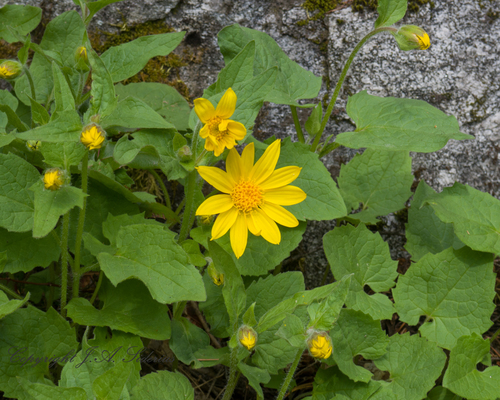
British Columbia, CA
Puedes ver árnica De Hoja De Corazón, Abeto De Douglas y Uva De Oregón.
Ver guía →
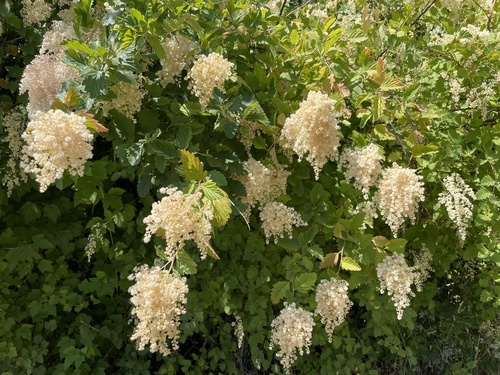
British Columbia, CA
Puedes ver Espuma De Mar y Woodsia De Las Montañas Rocosas.
Ver guía →
Llévate el descubrimiento
Haz una foto con Snappit, identifica la especie y guarda el hallazgo en tu colección.







.jpg&width=800)


