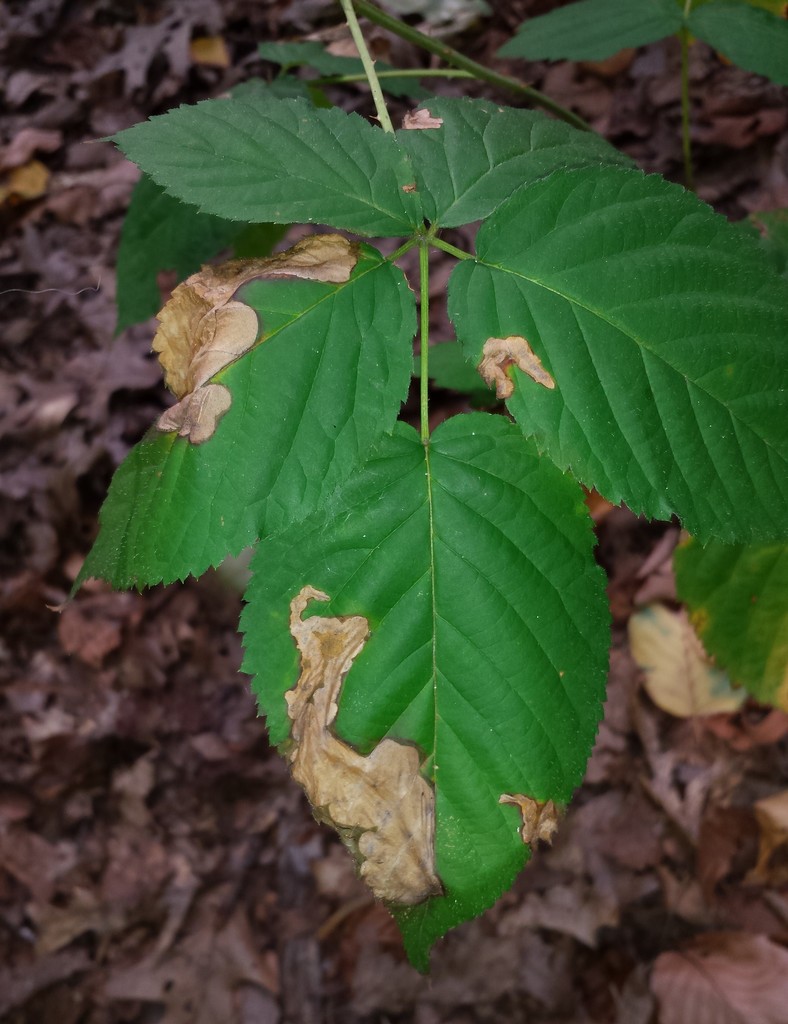





Metallus rohweri
Metallus rohweri
Metallus rohweri es un insecto único que le encanta esconderse entre las hojas. Tiene colores brillantes que le ayudan a mezclarse con su entorno, lo que lo convierte en una pequeña criatura especial para descubrir en la naturaleza.
Hábitat: Bosques
Metallus rohweri es una pequeña y robusta mosca sierra, típicamente negra o marrón oscura con algunas marcas amarillentas o pálidas en sus patas y antenas. Sus alas son claras con una venación distintiva, lo que la diferencia visualmente de las moscas verdaderas que solo tienen dos alas.
Categoría
InsectosRareza
Común
Peligro
1/5 · Muy bajo
Snaps
¡Sé la primera persona en hacer un snap!
A pesar de su nombre, la mosca sierra no es una mosca verdadera, ¡sino un pariente de las abejas y las avispas!
¡Las larvas de mosca sierra son increíbles arquitectos de hojas, creando pequeños túneles dentro de las hojas para alimentarse!
Las larvas de mosca sierra a menudo parecen orugas, ¡pero tienen más patas abdominales que las mariposas!
¡La hembra adulta tiene un ovipositor especial en forma de sierra, lo que le da a estos insectos su nombre único!
Las larvas de Metallus rohweri pueden excavar túneles dentro de las hojas, protegidas de los depredadores, alimentándose de tejido vegetal blando.
Metallus rohweri experimenta una metamorfosis completa, lo que les permite pasar de una larva minadora de hojas a un adulto volador.
Como larvas, este insecto excava túneles en las hojas de las plantas; los adultos pueden beber néctar o no alimentarse mucho.
Diferencias por edad: Las larvas son minadoras de hojas, alimentándose de los tejidos internos de las hojas de Rubus. Los adultos son de vida corta y pueden no alimentarse, o pueden consumir néctar y polen.

Rubus allegheniensis
Las larvas minan las hojas para alimentarse.

Passer domesticus
Las aves depredan larvas y adultos.
Lathrolestes metalli
Las larvas son hospedadores para esta pequeña avispa.
Los animales solitarios viven solos durante la mayor parte de su vida y solo interactúan con otros para aparearse o cuidar de sus crías.
El camuflaje describe a los organismos que poseen colores o patrones que les permiten mezclarse con su entorno.
Colorido describe a organismos u objetos que exhiben una amplia variedad de colores brillantes y distintivos.
Este rasgo caracteriza a los organismos cuya dieta consiste total o principalmente en material vegetal.
Los hábitats boscosos son entornos terrestres dominados por una densa cubierta arbórea, que sustentan una gran diversidad de vida animal y vegetal.
Los animales diurnos están activos principalmente durante el día y suelen descansar o dormir por la noche.
Describe organismos que transfieren polen, permitiendo la fertilización y reproducción de las plantas.
Todavía no hay alias listados.
Peligro
1/5 · Muy bajo
¡Siempre mira, pero no toques los insectos a menos que estés seguro de que son seguros!
Busca seis patas, antenas, tres secciones en el cuerpo y la forma de las alas. Los escarabajos tienen las alas delanteras endurecidas; las moscas solo tienen un par que funciona. Los insectos diminutos pueden necesitar un primer plano antes de que se vea su grupo. Identificador de insectos: sube una foto y compara los detalles visibles.
10-16 mm
4-8 mm
7-20 días
5 km/h
Como larvas, este insecto excava túneles en las hojas de las plantas; los adultos pueden beber néctar o no alimentarse mucho.
Bosques
Pastoreo
Acércate para separar los grupos y explorar dónde se ha fotografiado este objeto.
Los snaps recientes aparecerán aquí a medida que se añadan nuevas observaciones.
Llévate el descubrimiento
Haz una foto con Snappit, identifica la especie y guarda el hallazgo en tu colección.