






Mexican Duck
Anas diazi
The Mexican Duck is a beautiful bird with a shiny green head and a soft brown body. They love to swim in ponds and eat plants and small insects. These ducks are friendly and can often be seen in groups!
Hábitat: Wetlands
The Mexican Duck is a medium-sized dabbling duck with an overall dark brown, mottled body. It has a bright yellow-orange bill with a dark tip, especially noticeable on males. Unlike the similar Mallard, it lacks a distinct white border around its blue-green wing patch.
Categoría
AvesRareza
Common
Peligro
1/5 · Muy bajo
Snaps
¡Sé la primera persona en hacer un snap!
Mexican Ducks were once thought to be the same species as the Mallard!
Newly hatched ducklings can swim and find their own food within hours!
These ducks can live in cool mountain wetlands, high above sea level!
They often build their nests well-hidden in tall reeds right at the water's edge.
Mexican Duck has mottled brown feathers that help them blend perfectly with wetland plants and reeds.
Mexican Duck tips upside-down in shallow water to reach submerged food without fully diving.
Mexican Duck can live comfortably in mountain wetlands, adapting to cooler, thinner air.
These omnivores eat a mix of plants and small creatures found in wetland waters.
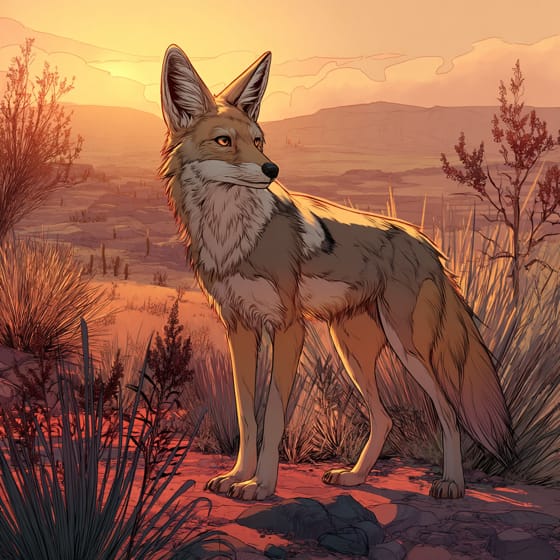
Canis latrans
Preys on adult ducks and ducklings.
Procyon lotor
Raids nests for eggs and ducklings.
Buteo jamaicensis
Hunts ducklings and juvenile ducks.
Typha latifolia
Provides dense cover for nests and young.

Potamogeton nodosus
Consumes seeds, leaves, and stems from this plant.
Describe a los animales, principalmente aves, que poseen una cubierta de plumas.
Se caracteriza por tener los dedos conectados por una membrana, lo que generalmente ayuda a nadar.
Los animales sociales viven en grupos organizados, cooperando para obtener beneficios de supervivencia como la búsqueda de alimento, la defensa y la cría de descendencia.
Este rasgo identifica organismos cuya dieta incluye tanto materia vegetal como animal.

Colorido describe a organismos u objetos que exhiben una amplia variedad de colores brillantes y distintivos.

Este rasgo de hábitat identifica especies que se encuentran en humedales, que son áreas de tierra saturadas de agua, ya sea permanente o estacionalmente, e incluyen marismas, pantanos y ciénagas.

Los hábitats de agua dulce incluyen entornos acuáticos no salinos como ríos, lagos, estanques y humedales, vitales para numerosas especies.

Los animales diurnos están activos principalmente durante el día y suelen descansar o dormir por la noche.

Los hábitats acuáticos abarcan entornos donde los organismos viven principalmente en el agua, incluidos océanos, ríos, lagos y humedales.
Todavía no hay alias listados.
Peligro
1/5 · Muy bajo
Always watch ducks from a distance and don't feed them bread, as it can be bad for their tummies.
51-56 cm
81-91 cm
0.8-1.2 kg
5-10 años
80 km/h
These omnivores eat a mix of plants and small creatures found in wetland waters.
Wetlands
Foraging
Acércate para separar los grupos y explorar dónde se ha fotografiado este objeto.
Los snaps recientes aparecerán aquí a medida que se añadan nuevas observaciones.




_head.JPG&width=800)









