mile-a-minute weed
Persicaria perfoliata
Mile-a-minute weed is a fast-growing plant that can climb over other plants and fences. It has bright green leaves and tiny, blue flowers that attract butterflies and bees!
Hábitat: Urban areas
The mile-a-minute weed has distinctive light green, triangular (arrowhead-shaped) leaves, often with a dark blotch in the center. Its slender, reddish stems are covered in tiny, backward-pointing barbs, making it feel rough to the touch. Tiny, white, or pale pink flowers appear in clusters at the leaf nodes.
Categoría
PlantasRareza
Common
Peligro
2/5 · Bajo
Snaps
¡Sé la primera persona en hacer un snap!
Its unique seeds wear a tiny blue "hat" that helps them float on water!
The plant's stems have tiny, backward-pointing hooks, making it clingy like Velcro!
This plant can grow almost a foot (30 cm) in just ONE day!
Young leaves taste like spinach with a tangy kick and are safe to eat raw!
Mile-a-minute weed can grow up to 15 cm daily, quickly climbing over and smothering other plants for sunlight.
It has sharp, hooked barbs on its stems that help it grip and climb aggressively over any support.
Its blue-black seeds are buoyant, allowing water to carry them far from the parent plant for dispersal.
Rhinoncomimus latipes
Its leaves are eaten by this specialized biocontrol weevil.
Apis mellifera
Its small flowers attract various generalist insect pollinators.
Cardinalis cardinalis
Many bird species eat its distinctive blue-black seeds.
Las plantas con flores son cualquier planta que produce flores como parte de su ciclo reproductivo.
Las plantas de crecimiento rápido exhiben tasas de crecimiento aceleradas, aumentando rápidamente de tamaño y biomasa en un corto período de tiempo.
Describe plantas que son particularmente atractivas y beneficiosas para una amplia variedad de organismos polinizadores.
Esta característica de hábitat indica especies que pueden coexistir con los humanos en entornos urbanos y suburbanos, utilizando estructuras artificiales y espacios verdes.

Las especies invasoras son organismos no nativos que causan daños al medio ambiente, la economía o la salud humana.

Describe organismos que transfieren polen, permitiendo la fertilización y reproducción de las plantas.
Peligro
2/5 · Bajo
Be careful not to touch the plant too much, as it can be prickly.
30-600 cm
0.2-0.4 cm
Summer-fall
Sí
Ninguna
Anual
Autopolinización
Urban areas
Acércate para separar los grupos y explorar dónde se ha fotografiado este objeto.
Los snaps recientes aparecerán aquí a medida que se añadan nuevas observaciones.

Maryland, US
Puedes ver Common Pawpaw, Mariposa Cebra y águila Calva.
Ver guía →

Pennsylvania, US
Puedes ver Ciervo De Cola Blanca y Mile-A-Minute Weed.
Ver guía →
Virginia, US
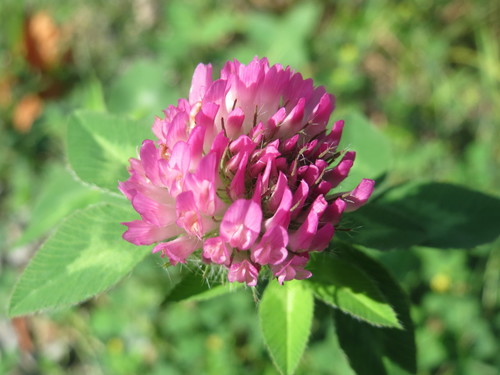
Puedes ver Red Clover, American Tuliptree y Common Eastern Bumble Bee.
Ver guía →







_1959.jpg&width=800)