




Monkeyflower Non-biting Midge
Metriocnemus erythranthei
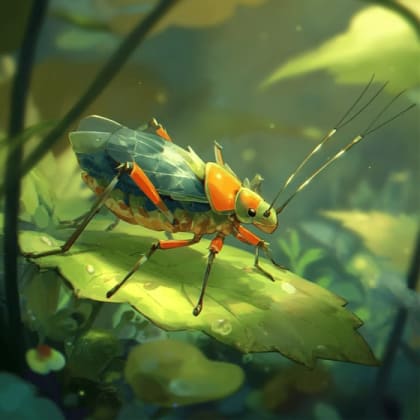
The Monkeyflower Non-biting Midge is a tiny insect that loves to hang around water. They are so small that you might not even notice them, but they play an important role in nature by helping plants grow.
Hábitat: Wetlands
The Monkeyflower Non-biting Midge is a tiny, delicate insect, typically pale brown or grayish with clear wings. It has slender antennae, which are feathery in males, and does not possess the long, piercing proboscis seen in mosquitoes.
Categoría
InsectosRareza
Common
Peligro
1/5 · Muy bajo
Snaps
¡Sé la primera persona en hacer un snap!
Adult Monkeyflower Midges live only a few days, focused on finding a mate and laying eggs.
Each female midge can lay hundreds of eggs, ensuring new generations of flower-dwellers.
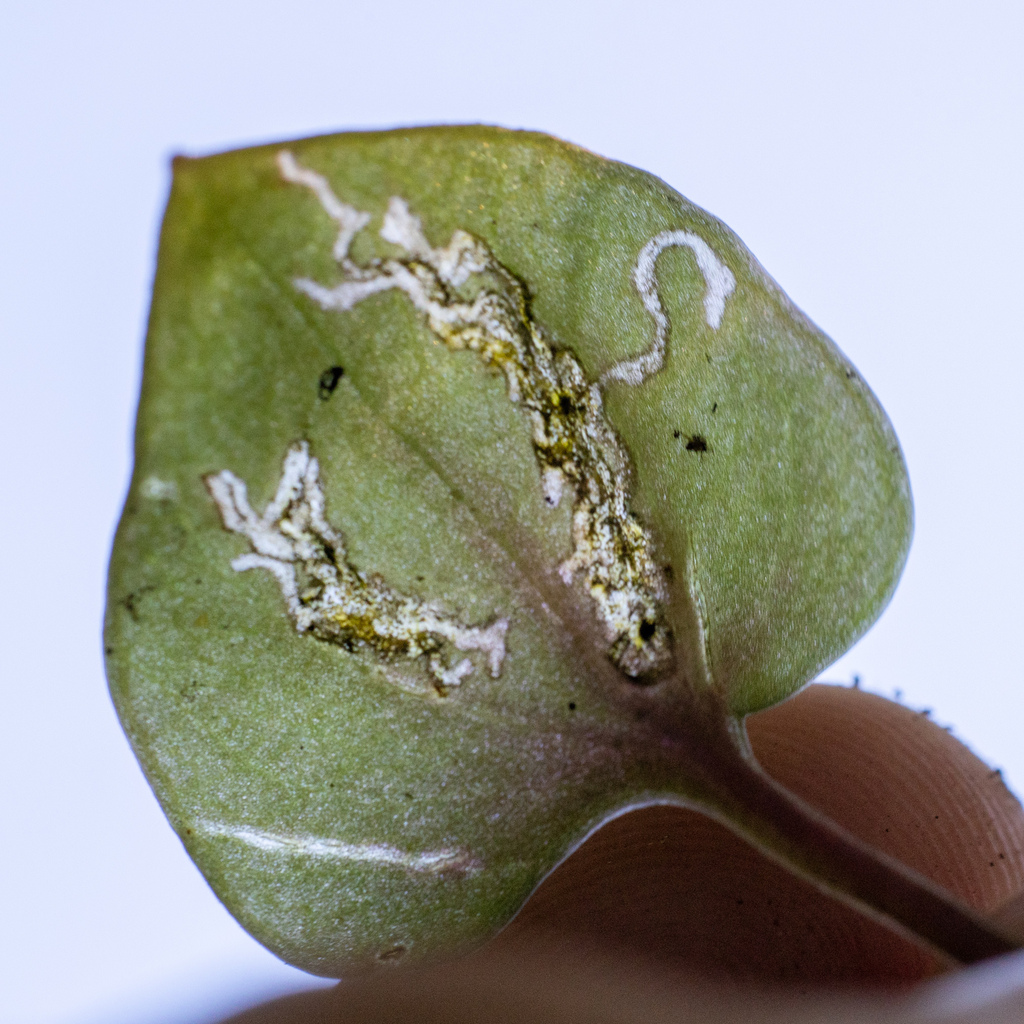
These tiny midges spend their caterpillar-like youth entirely hidden inside a monkeyflower bloom!
They look like mosquitoes but don't bite; their mouthparts are too soft to pierce skin!
Monkeyflower Non-biting Midge can live its entire larval life inside a monkeyflower because its tiny body is adapted to feed on the plant.
Monkeyflower Non-biting Midge can sip nectar from flowers using delicate mouthparts that help them get energy without biting.
Monkeyflower Non-biting Midge helps pollinate flowers as it moves between them, transferring pollen to aid plant reproduction.
Adults sip nectar from flowers; larvae eat plant tissue from inside monkeyflowers.
Diferencias por edad: Larvae eat plant tissue, while adults consume nectar.
Erythranthe guttata
Larvae develop and feed exclusively within its blossoms.
Erythranthe guttata
Adult midges help transfer pollen between flowers.
Misumena vatia
These spiders ambush adult midges resting on flower petals.
Melospiza melodia
Sparrows forage for insects like midges among vegetation.
Los animales sociales viven en grupos organizados, cooperando para obtener beneficios de supervivencia como la búsqueda de alimento, la defensa y la cría de descendencia.
Los filtradores obtienen nutrientes filtrando partículas de alimentos suspendidos y pequeños organismos del agua.
Este rasgo caracteriza a los organismos cuya dieta consiste total o principalmente en material vegetal.
Este rasgo de hábitat identifica especies que se encuentran en humedales, que son áreas de tierra saturadas de agua, ya sea permanente o estacionalmente, e incluyen marismas, pantanos y ciénagas.

Los hábitats de agua dulce incluyen entornos acuáticos no salinos como ríos, lagos, estanques y humedales, vitales para numerosas especies.

Los animales diurnos están activos principalmente durante el día y suelen descansar o dormir por la noche.

Describe una especie cuya presencia y papel tienen un efecto desproporcionadamente grande en su entorno.

Relativo a especies que son significativamente más pequeñas que lo típico o promedio de su tipo.

Describe organismos que transfieren polen, permitiendo la fertilización y reproducción de las plantas.
Todavía no hay alias listados.
Peligro
1/5 · Muy bajo
These insects are safe and won't hurt you, so you can enjoy watching them!
2-8 mm
1-5 mm
1-7 días
Adults sip nectar from flowers; larvae eat plant tissue from inside monkeyflowers.
Wetlands
Foraging
6
Acércate para separar los grupos y explorar dónde se ha fotografiado este objeto.
Los snaps recientes aparecerán aquí a medida que se añadan nuevas observaciones.