Mulberries
Morus
Mulberries are sweet, juicy berries that grow on trees. They come in different colors like red, white, and black, and are fun to pick and eat right from the tree!
Hábitat: Forests
The Mulberries tree has distinctive, often lobed leaves that can vary in shape even on the same branch. Its small, greenish flowers mature into elongated clusters of juicy, dark purple, red, or white aggregate fruits, resembling blackberries. The bark is typically grayish-brown and furrowed.
Categoría
PlantasRareza
Common
Peligro
1/5 · Muy bajo
Snaps
¡Sé la primera persona en hacer un snap!
Folklore suggests planting a mulberry tree brings good luck and prosperity to a home.
Mulberry fruits can be red, black, or even white when ripe, not just purple!
Mulberry trees can sometimes live for hundreds of years, becoming giant, wise old trees!
The white mulberry tree has the fastest pollen release, almost as fast as sound!
Mulberries can have leaves of many different shapes on the same tree, helping them adapt to varying light conditions.
Mulberries produce fruit made of many tiny fruits fused together, ensuring lots of seeds for reproduction.
Mulberries have special chemicals in their leaves that make them the perfect food source for silkworms.
Bombyx mori
Feeds exclusively on mulberry leaves.
Turdus migratorius
Devours ripe mulberry fruits.
Homo sapiens
Cultivates trees for delicious fruits.
Las plantas caducifolias pierden periódicamente todas sus hojas, por lo general durante el otoño o las estaciones secas.
Las plantas tolerantes a la sombra están adaptadas para crecer y prosperar en áreas con bajos niveles de luz, requiriendo menos luz solar directa.
Las plantas frutales producen frutos, que son los ovarios maduros de las plantas con flores que contienen semillas.
Los árboles de hoja ancha son angiospermas caracterizadas por hojas planas y anchas que típicamente se caen anualmente en climas templados.

Un árbol frutal es un árbol perenne que produce frutos comestibles para humanos o animales.

Las plantas comestibles son aquellas partes de una planta que se consideran seguras para el consumo humano.

Las plantas de crecimiento rápido exhiben tasas de crecimiento aceleradas, aumentando rápidamente de tamaño y biomasa en un corto período de tiempo.

Describe plantas que son particularmente atractivas y beneficiosas para una amplia variedad de organismos polinizadores.

Los hábitats boscosos son entornos terrestres dominados por una densa cubierta arbórea, que sustentan una gran diversidad de vida animal y vegetal.
Todavía no hay alias listados.
Peligro
1/5 · Muy bajo
Always wash mulberries before eating them to keep your tummy safe!
600-1200 cm
400-900 cm
0.5-1.5 cm
Primavera
Sí
Ninguna
Perenne
Viento
Acércate para separar los grupos y explorar dónde se ha fotografiado este objeto.
Los snaps recientes aparecerán aquí a medida que se añadan nuevas observaciones.

New York, US
Puedes ver Common Dandelion, Red Deadnettle y Broad-Leaved Dock.
Ver guía →
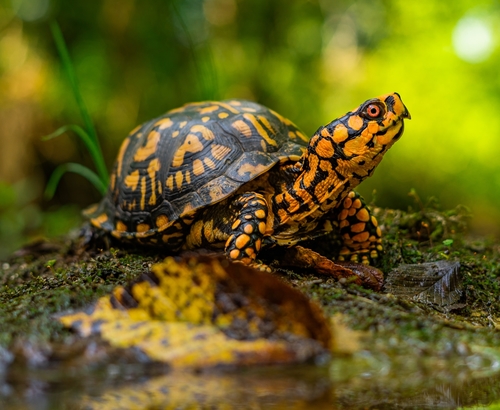
Virginia, US
Puedes ver Tortuga De Caja Oriental, Sicómoro y Grape Family.
Ver guía →
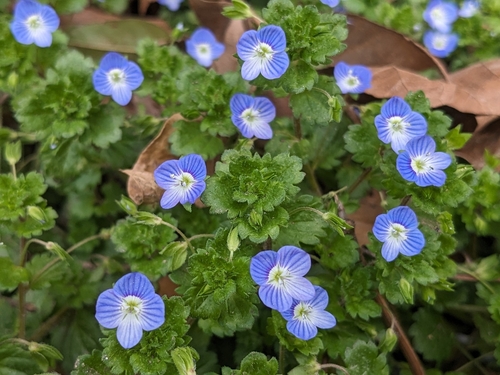
Virginia, US
Puedes ver Bird's-Eye Speedwell, Mulberries y Hairy-Headed Acrobat Ant.
Ver guía →
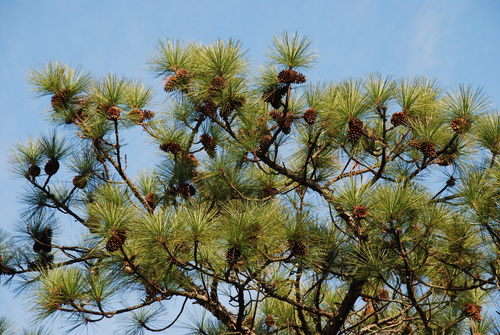
Virginia, US
Puedes ver Pines, Common Milkweed y Sweetbay Magnolia.
Ver guía →
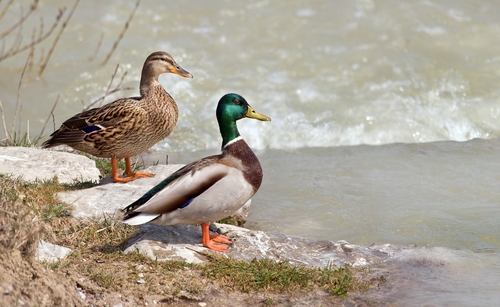
Massachusetts, US
Puedes ver Pato, Ring-Necked Duck y American Pokeweed.
Ver guía →
New York, US
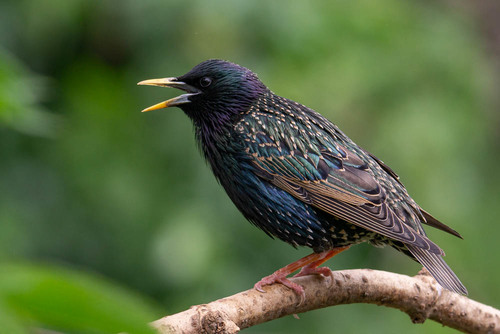
Puedes ver Estornino Europeo, Henbit Deadnettle y Red Deadnettle.
Ver guía →