

Neolasioptera Triadenii
neolasioptera triadenii
Neolasioptera triadenii es una especie altamente especializada de mosquita de las agallas dentro de la familia Cecidomyiidae. Este minúsculo insecto es célebre por su intrincada relación coevolutiva con el Hipérico de la Marisma (especies de Triadenum). Las hembras de las mosquitas depositan sus huevos dentro de los tallos de la planta, y las larvas que eclosionan posteriormente secretan bioquímicos que imitan las hormonas de crecimiento de la planta. Esta manipulación obliga a la planta hospedadora a desarrollar una estructura protectora distintiva e hinchada llamada agalla del tallo. Dentro de este 'vivero' orgánico personalizado, las larvas se alimentan de forma segura de tejido rico en nutrientes, protegidas de depredadores y de las inclemencias del tiempo. Aunque las mosquitas adultas son diminutas, delicadas y rara vez observadas debido a sus breves ciclos de vida de solo unos pocos días, su presencia se documenta fácilmente identificando estas agallas características del tallo. Esta especie juega un papel fascinante en los ecosistemas de humedales, demostrando la complejidad de las interacciones planta-insecto y sirviendo como un indicador localizado de comunidades de plantas de humedales saludables.
Hábitat: Se encuentra en prados húmedos, marismas de agua dulce, turberas y márgenes húmedos de lagos donde prospera su planta hospedadora, el Hipérico de la Marisma.
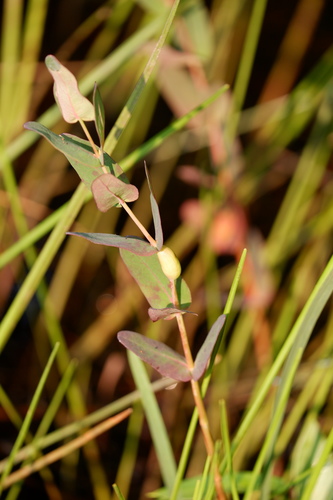
Los adultos de Neolasioptera triadenii son moscas increíblemente diminutas, que miden solo de 1.5 a 2.5 milímetros de longitud, con un cuerpo delicado de color gris oscuro a negruzco, alas claras con venación reducida y antenas largas en forma de cuentas. Debido a su diminuto tamaño, se identifican de manera más fiable en la naturaleza por sus agallas larvales. Estas agallas aparecen como hinchazones distintas y fusiformes (en forma de huso) en los tallos del Hipérico de la Marisma. Las agallas suelen ser de color verde a marrón rojizo, mezclándose con la coloración natural de la planta hospedadora, pero alterando notablemente su forma de tallo recto y cilíndrico.
Categoría
InsectosRareza
Común
Peligro
1/5 · Muy bajo
Snaps
¡Sé la primera persona en hacer un snap!
Los científicos ciudadanos pueden detectar y registrar fácilmente estas mosquitas en pleno invierno, ya que las agallas secas e hinchadas de los tallos permanecen muy visibles sobresaliendo de la nieve.
Aunque las mosquitas adultas mueren a los pocos días de emerger, la etapa larval pasa casi un año entero hibernando de forma segura dentro de los tallos muertos y secos de la planta hospedadora.
La agalla inducida por esta mosquita actúa como un órgano modificado, extra-somático de la planta hospedadora, atrayendo activamente nutrientes del resto de la planta para alimentar al invasor.
Las larvas secretan compuestos especializados que 'secuestran' el desarrollo celular de la planta hospedadora, obligándola a desarrollar una hinchazón protectora y rica en alimentos.
Las paredes leñosas de la agalla del tallo inducida protegen a las larvas en desarrollo de temperaturas extremas, desecación y lluvias intensas.
Las hembras adultas poseen receptores químicos altamente sensibles que les permiten localizar y ovipositar exclusivamente en plantas de humedal Triadenum específicas.
Las larvas se alimentan internamente de los tejidos vegetales especializados y ricos en nutrientes generados por su planta hospedadora dentro de la agalla del tallo, mientras que los adultos generalmente no se alimentan.
Triadenum virginicum
Proporciona la estructura física esencial y la nutrición requerida para la etapa larval de la mosquita.
Platygaster
Las avispas parasitoides atacan a las larvas dentro de las agallas, poniendo huevos dentro de ellas para consumirlas desde el interior.
Aún no hay insignias de rasgos asignadas a este objeto.
Todavía no hay alias listados.
Las colecciones para este objeto aparecerán aquí a medida que se añadan más temas.
Peligro
1/5 · Muy bajo
Todavía no hay notas especiales de seguridad.
Busca seis patas, antenas, tres secciones en el cuerpo y la forma de las alas. Los escarabajos tienen las alas delanteras endurecidas; las moscas solo tienen un par que funciona. Los insectos diminutos pueden necesitar un primer plano antes de que se vea su grupo. Identificador de insectos: sube una foto y compara los detalles visibles.
0+ cm
0+ cm
0+ kg
1+ años
2 km/h
Las larvas se alimentan internamente de los tejidos vegetales especializados y ricos en nutrientes generados por su planta hospedadora dentro de la agalla del tallo, mientras que los adultos generalmente no se alimentan.
Se encuentra en prados húmedos, marismas de agua dulce, turberas y márgenes húmedos de lagos donde prospera su planta hospedadora, el Hipérico de la Marisma.
Acércate para separar los grupos y explorar dónde se ha fotografiado este objeto.
Los snaps recientes aparecerán aquí a medida que se añadan nuevas observaciones.
Llévate el descubrimiento
Haz una foto con Snappit, identifica la especie y guarda el hallazgo en tu colección.