

Neuroterus vesicula
Neuroterus vesicula
Neuroterus vesicula es un insecto diminuto que vive en los árboles. Crean pequeñas agallas en las hojas de los robles, que son como hogares acogedores para sus crías. Estas agallas pueden parecer pequeños bultos en las hojas.
Hábitat: Bosques
La Neuroterus vesicula es una avispa diminuta de color marrón oscuro a negro, generalmente de 1,5 a 3 mm de largo, con un abdomen brillante y redondeado. Tiene dos pares de alas claras y membranosas y antenas delgadas, lo que la distingue visualmente de una mosca debido a su característica cintura de avispa.
Categoría
InsectosRareza
Común
Peligro
1/5 · Muy bajo
Snaps
¡Sé la primera persona en hacer un snap!
¡La tinta antigua se hacía de agallas de roble, gracias a los químicos producidos por la reacción del árbol!
¡Las avispas de agalla son maestras del disfraz, viviendo de forma segura escondidas dentro de sus hogares construidos con plantas.
¡A veces, más de un tipo de avispa de agalla puede vivir en el mismo roble!
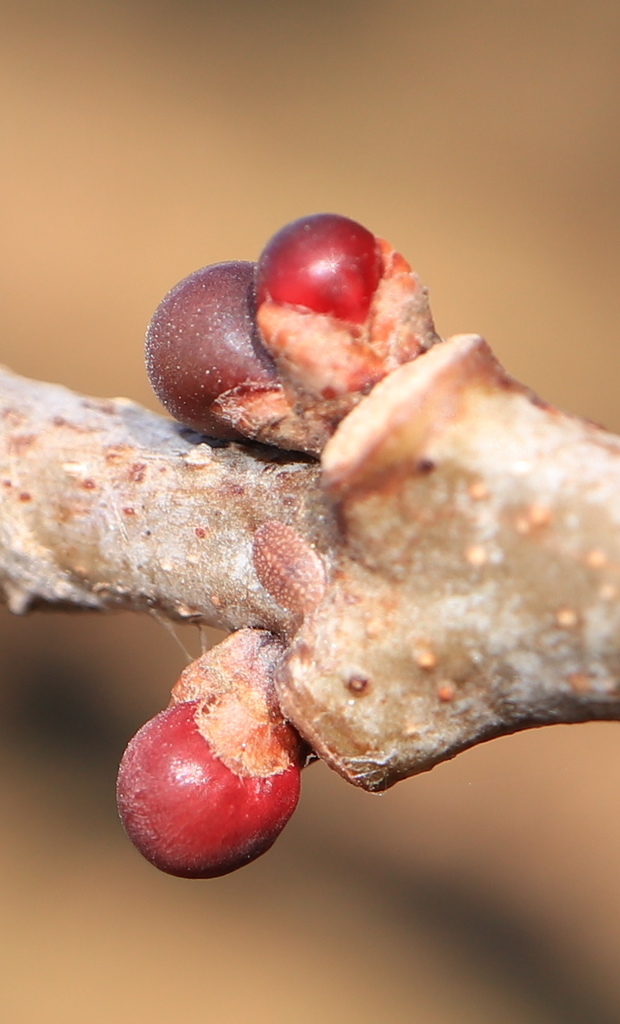
¡Las agallas únicas hechas por estas avispas parecen pequeñas bayas de color marrón rojizo en las hojas de roble!
Neuroterus vesicula puede engañar a los robles para que desarrollen un hogar protector llamado agalla gracias a los químicos que inyectan, lo que les ayuda a albergar a sus larvas.
Neuroterus vesicula tiene dos formas distintas que aparecen en diferentes estaciones, lo que les permite adaptar sus estrategias de reproducción a lo largo del año.
Neuroterus vesicula puede inyectar hormonas vegetales gracias a ovipositores especializados, lo que les ayuda a manipular el crecimiento de las hojas de roble para la formación de agallas.
Los adultos rara vez se alimentan, pero las larvas mastican tejido vegetal rico en nutrientes de sus agallas de roble.
Diferencias por edad: Las avispas adultas pueden sorber néctar, pero las larvas se alimentan exclusivamente de los tejidos internos de las agallas que inducen en los robles.

Quercus robur
Induce agallas para el desarrollo larvario.
Torymus bedeguaris
Las larvas son depredadas por avispas parasitarias.

Cyanistes caeruleus
Las aves a menudo picotean las agallas para alimentarse de las larvas del interior.
Los animales solitarios viven solos durante la mayor parte de su vida y solo interactúan con otros para aparearse o cuidar de sus crías.
Este rasgo caracteriza a los organismos cuya dieta consiste total o principalmente en material vegetal.
Los hábitats boscosos son entornos terrestres dominados por una densa cubierta arbórea, que sustentan una gran diversidad de vida animal y vegetal.
Describe una especie cuya presencia y papel tienen un efecto desproporcionadamente grande en su entorno.
Relativo a especies que son significativamente más pequeñas que lo típico o promedio de su tipo.
Describe organismos que transfieren polen, permitiendo la fertilización y reproducción de las plantas.
Todavía no hay alias listados.
Peligro
1/5 · Muy bajo
Siempre mira, pero no toques las agallas de los árboles, ya que son el hogar de pequeños insectos.
Busca seis patas, antenas, tres secciones en el cuerpo y la forma de las alas. Los escarabajos tienen las alas delanteras endurecidas; las moscas solo tienen un par que funciona. Los insectos diminutos pueden necesitar un primer plano antes de que se vea su grupo. Identificador de insectos: sube una foto y compara los detalles visibles.
3-5 mm
1.5-3 mm
7-20 días
Los adultos rara vez se alimentan, pero las larvas mastican tejido vegetal rico en nutrientes de sus agallas de roble.
Bosques
Null
6
Acércate para separar los grupos y explorar dónde se ha fotografiado este objeto.
Los snaps recientes aparecerán aquí a medida que se añadan nuevas observaciones.
Llévate el descubrimiento
Haz una foto con Snappit, identifica la especie y guarda el hallazgo en tu colección.