






Nootka rose
Rosa nutkana
The Nootka rose is a lovely shrub with beautiful pink flowers. It grows in many places and attracts butterflies and bees, making gardens colorful and lively.
Hábitat: Coastal areas
The Nootka rose has five large, vibrant pink petals surrounding a cluster of bright yellow stamens, contrasting with its sturdy, often thorny, reddish-brown stems. Its dense, dark green leaves are oval-shaped and serrated, making it visually distinct from common garden roses by its simpler, wilder appearance.
Categoría
PlantasRareza
Common
Peligro
2/5 · Bajo
Snaps
¡Sé la primera persona en hacer un snap!
Sweet Medicine! Indigenous peoples traditionally used Nootka rose hips and petals for food and healing.
Tough Survivor! This hardy rose thrives in many harsh coastal and forest environments.
Vitamin C Powerhouse! Its bright red rose hips contain more Vitamin C than an orange!
Wild Beauty! It's one of the few rose species native to the Pacific Northwest.
Nootka rose creates vitamin-rich rose hips that attract birds, helping to spread its seeds far and wide.
Nootka rose can grow in dense patches, providing excellent shelter and safe nesting spots for small wildlife.
Apis mellifera
gathers nectar and pollen from its flowers
Turdus migratorius
feasts on its vitamin-rich rose hips
Odocoileus hemionus
browses its leaves and tender young shoots
Troglodytes troglodytes
builds nests and hides in its dense, thorny thickets
Las plantas caducifolias pierden periódicamente todas sus hojas, por lo general durante el otoño o las estaciones secas.
Las plantas con flores son cualquier planta que produce flores como parte de su ciclo reproductivo.
Un arbusto es una planta leñosa más pequeña que un árbol, típicamente con múltiples tallos que se ramifican desde o cerca del suelo.
Las plantas de floración de verano producen sus flores durante la temporada estival, a menudo aportando un color vibrante cuando muchas otras plantas ya han terminado de florecer.

Las flores fragantes emiten un aroma agradable, a menudo para atraer polinizadores o como defensa.

Las plantas frutales producen frutos, que son los ovarios maduros de las plantas con flores que contienen semillas.

Las plantas comestibles son aquellas partes de una planta que se consideran seguras para el consumo humano.

Describe plantas que son particularmente atractivas y beneficiosas para una amplia variedad de organismos polinizadores.

Los hábitats costeros son entornos dinámicos situados a lo largo de la interfaz entre la tierra y el mar, influenciados por las mareas, las olas y el agua salada.
Peligro
2/5 · Bajo
Be careful not to touch the thorns on the stems, as they can be sharp.
100-300 cm
100-200 cm
4-7 cm
Late Spring to Mid-Summer
Sí
Ninguna
Perenne
Insectos
Acércate para separar los grupos y explorar dónde se ha fotografiado este objeto.
Los snaps recientes aparecerán aquí a medida que se añadan nuevas observaciones.
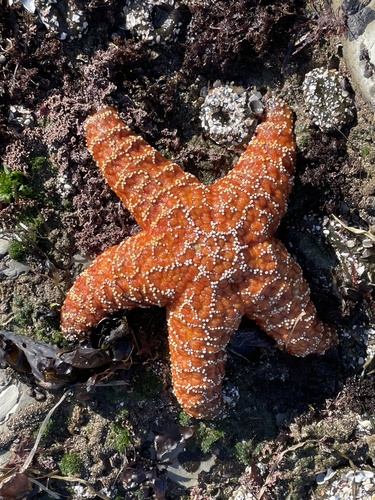
British Columbia, CA
Puedes ver Ochre Sea Star, Fringe Cups y Moonglow Anemone.
Ver guía →

Washington, US
Puedes ver Zorro Rojo, Ghost Pipe y Zarzamora.
Ver guía →
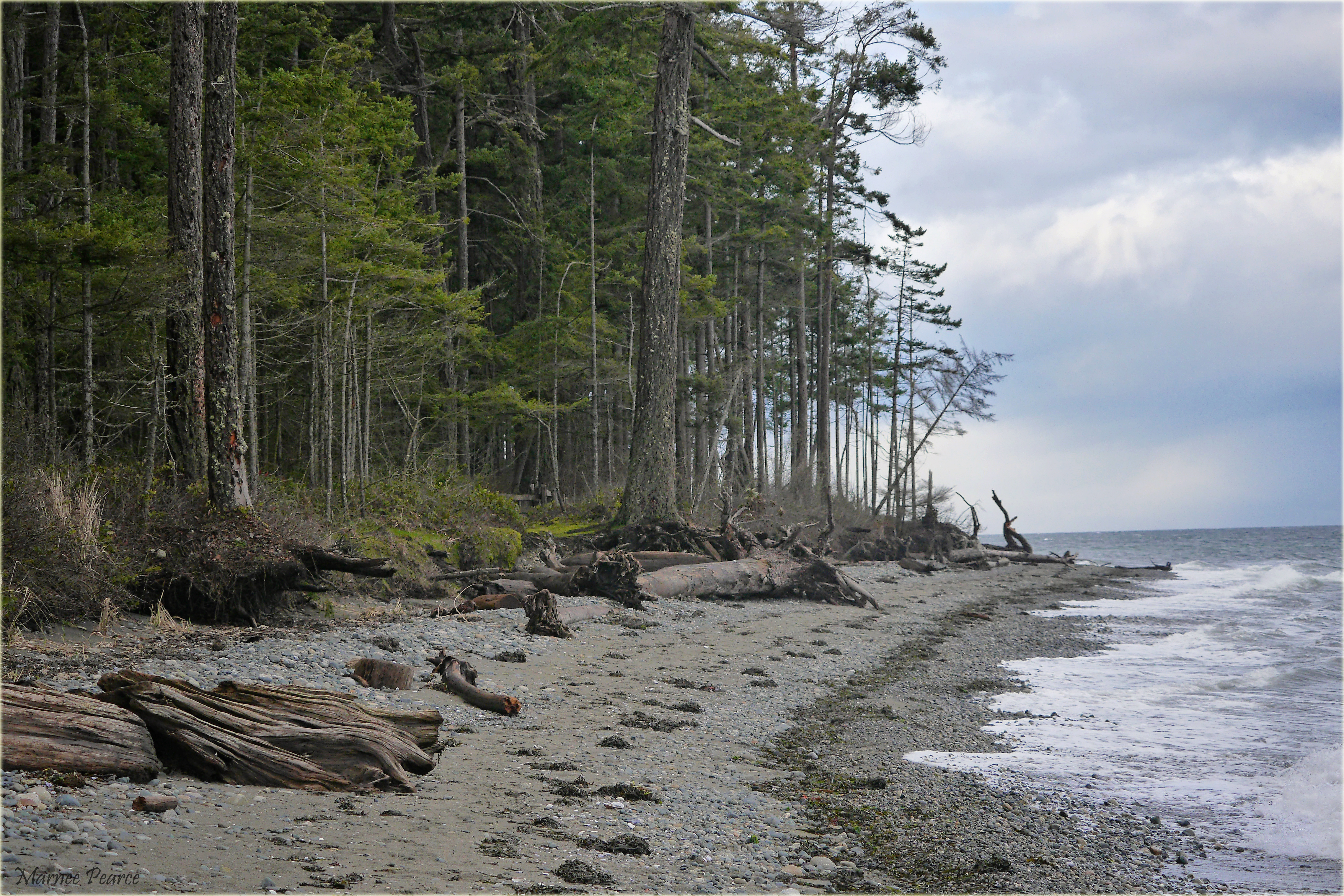
British Columbia, CA
Puedes ver Conejo Europeo, Yellow Shore Crab y Nootka Rose.
Ver guía →














