






North American Racer
Coluber constrictor
The North American Racer is a fast and slender snake that loves to explore! It has smooth scales and can be green, brown, or gray. These snakes are great at hiding and can be found in many places.
Hábitat: Grasslands
The North American Racer is a slender snake, typically solid colored as an adult, ranging from black, blue, or gray to olive-brown, with a contrasting white or yellow belly. Juveniles, however, sport distinct dark blotches down their back, fading as they mature into their uniform adult coloration.
Categoría
ReptilesRareza
Common
Peligro
2/5 · Bajo
Snaps
¡Sé la primera persona en hacer un snap!
Despite their name, Racers don't constrict prey; they pin it down to eat!
These speedy snakes are active during the day, making them diurnal hunters.
They often eat other snakes, including venomous ones, showing no fear!
Young Racers have bold patterns that fade away as they grow into adults!
North American Racers can sprint at high speeds that help them outmaneuver predators or rapidly pursue quick-moving prey.
North American Racers have large eyes and keen eyesight that helps them spot and ambush fast-moving prey.
North American Racers can vibrate their tails rapidly in dry leaves, creating a buzzing sound to mimic a rattlesnake.
They hunt and eat a wide variety of small animals like insects, frogs, rodents, and other snakes.
Diferencias por edad: Young snakes eat mostly insects, gradually adding larger prey as they grow.
Microtus pennsylvanicus
a common small mammal prey
Anolis carolinensis
a frequent lizard meal
Buteo jamaicensis
a major avian predator
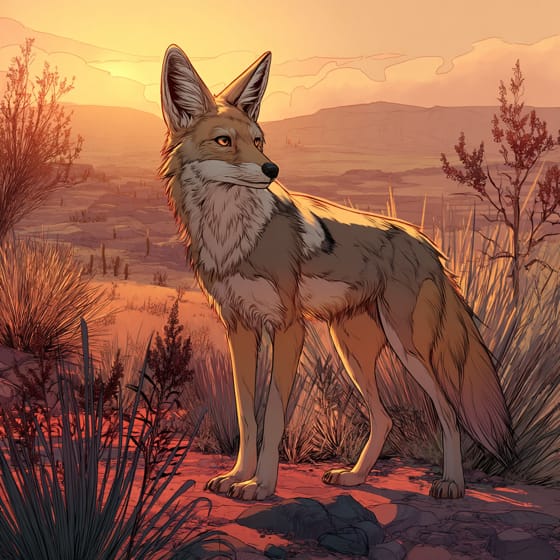
Canis latrans
a ground predator of snakes
Los animales solitarios viven solos durante la mayor parte de su vida y solo interactúan con otros para aparearse o cuidar de sus crías.
El camuflaje describe a los organismos que poseen colores o patrones que les permiten mezclarse con su entorno.
Los hábitats de pastizales son biomas terrestres dominados por pastos y plantas herbáceas, que sustentan a una variedad de animales de pastoreo.
Este rasgo identifica a los organismos cuya dieta consiste total o principalmente en tejido animal.

Los animales diurnos están activos principalmente durante el día y suelen descansar o dormir por la noche.

Este rasgo identifica a los organismos que exhiben una rapidez excepcional en sus movimientos para cazar, escapar o desplazarse.
Todavía no hay alias listados.
Peligro
2/5 · Bajo
If you see a snake, it's best to stay calm and give it space. Never try to touch it.
60-150 cm
0.15-0.5 kg
5-10 años
16 km/h
They hunt and eat a wide variety of small animals like insects, frogs, rodents, and other snakes.
Grasslands
Pursuit
5-20
Acércate para separar los grupos y explorar dónde se ha fotografiado este objeto.
Los snaps recientes aparecerán aquí a medida que se añadan nuevas observaciones.
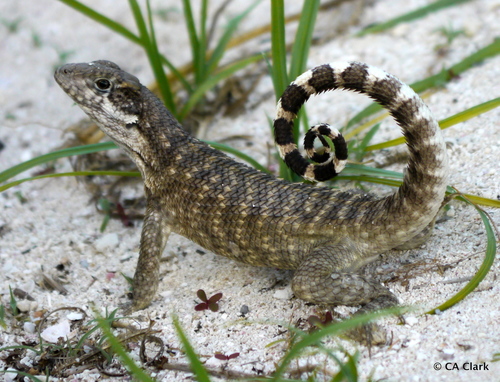
Florida, US
Puedes ver Northern Curly-Tailed Lizard, Iguana Verde y Triangle Cactus.
Ver guía →
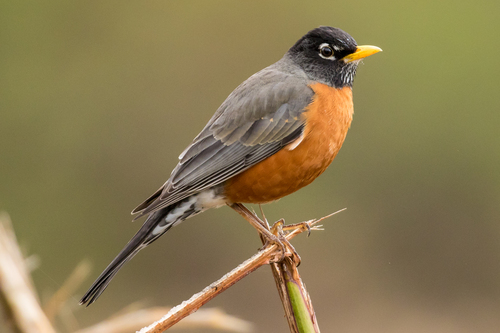
Illinois, US
Puedes ver Petirrojo Americano, Sinsonte Norteño y Yellow-Rumped Warbler.
Ver guía →
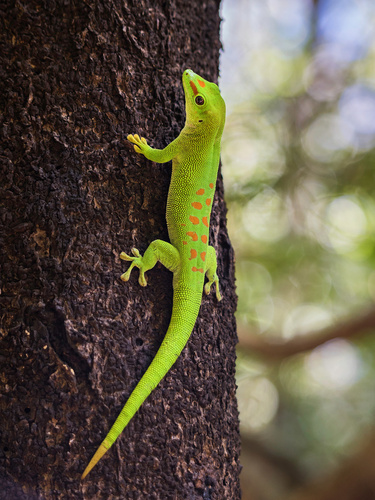
Florida, US
Puedes ver Madagascar Giant Day Gecko, Iguana Verde y Anolis Castaño.
Ver guía →

New York, US
Puedes ver Common Mugwort, White Snakeroot y Common Eastern Bumble Bee.
Ver guía →

Utah, US
Puedes ver Barnacla Canadiense y Redstem Stork's-Bill.
Ver guía →

Mississippi, US
Puedes ver Prairie Nymph, Slender Vervain y Whitemouth Dayflower.
Ver guía →
















