






North American Wheel Bug
Arilus cristatus
The North American Wheel Bug is a cool insect with a big, spiky wheel on its back! It is a predator that helps keep gardens safe by eating pests.
Hábitat: Urban areas, gardens, and forests
The North American Wheel Bug is a large, sturdy assassin bug, typically gray or brownish-gray, distinguished by a prominent, cog-like crest on its thorax. Its robust body and long legs give it a somewhat spiky appearance, setting it apart from other common insects.
Categoría
InsectosRareza
Common
Peligro
2/5 · Bajo
Snaps
¡Sé la primera persona en hacer un snap!
Their bite is surprisingly painful to humans, worse than a bee sting!
Their eggs are shaped like tiny brown bottles, laid in hexagonal clusters!
These bugs will sometimes eat other wheel bugs if food becomes very scarce.
Wheel bugs are silent hunters, often waiting patiently for prey to wander close.
North American Wheel Bug can inject venom with its needle-like rostrum that quickly paralyzes prey, allowing it to easily overpower larger insects.
North American Wheel Bug has a dull gray or brownish body that helps them blend perfectly with tree bark and foliage, making them nearly invisible.
North American Wheel Bug has powerful, spiky front legs that help them securely snatch and hold onto struggling insect prey, preventing escape.
These stealthy hunters use their sharp beak to paralyze and devour a variety of garden pests.
Diferencias por edad: Young nymphs prey on smaller, softer-bodied insects as they grow.
Leptinotarsa decemlineata
A major agricultural pest it helps control.
Manduca sexta
Feeds on these large, plant-damaging caterpillars.
Popillia japonica
Preys on this invasive and destructive garden pest.
Halyomorpha halys
An invasive species often targeted by wheel bugs.
Los animales solitarios viven solos durante la mayor parte de su vida y solo interactúan con otros para aparearse o cuidar de sus crías.
Este rasgo identifica a los organismos cuya dieta consiste principalmente en insectos y otros pequeños invertebrados.
Los hábitats boscosos son entornos terrestres dominados por una densa cubierta arbórea, que sustentan una gran diversidad de vida animal y vegetal.
Un depredador de emboscada caza esperando pacientemente y ocultándose, para luego lanzar un ataque repentino cuando una presa desprevenida se pone a su alcance.

Posee proyecciones puntiagudas y afiladas o espinas en el cuerpo o en la superficie.

Este rasgo identifica a los organismos cuya dieta consiste total o principalmente en tejido animal.

Los animales diurnos están activos principalmente durante el día y suelen descansar o dormir por la noche.

Esta característica de hábitat indica especies que pueden coexistir con los humanos en entornos urbanos y suburbanos, utilizando estructuras artificiales y espacios verdes.
Todavía no hay alias listados.
Peligro
2/5 · Bajo
Look but don't touch! Wheel Bugs can bite if they feel threatened.
40-50 mm
25-38 mm
60-120 días
These stealthy hunters use their sharp beak to paralyze and devour a variety of garden pests.
Urban areas, gardens, and forests
Ambush
6
Acércate para separar los grupos y explorar dónde se ha fotografiado este objeto.
Los snaps recientes aparecerán aquí a medida que se añadan nuevas observaciones.
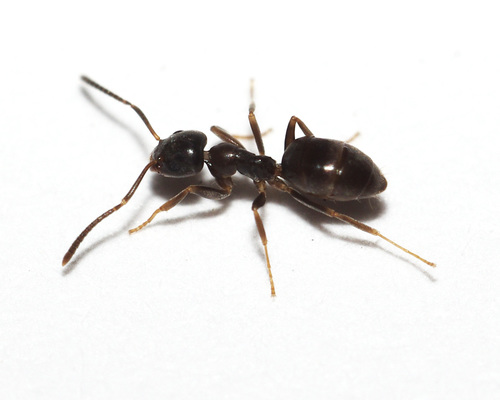
Virginia, US
Puedes ver Hormiga Casera Olorosa y Willow Leaf Beetle.
Ver guía →
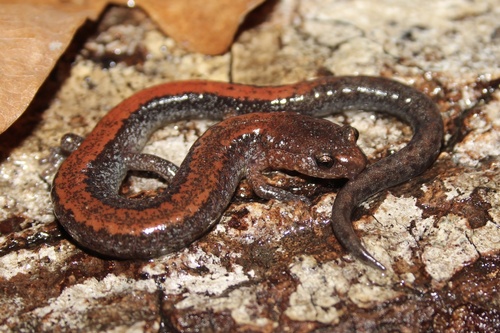
Virginia, US
Puedes ver Eastern Red-Backed Salamander y Tritón Oriental.
Ver guía →
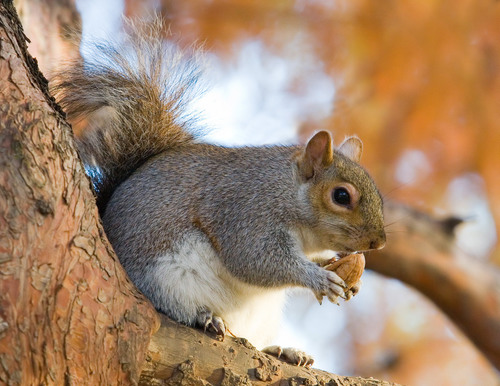
Florida, US
Puedes ver Ardilla Gris Oriental, Southern Live Oak y Fir Tussock Moth.
Ver guía →
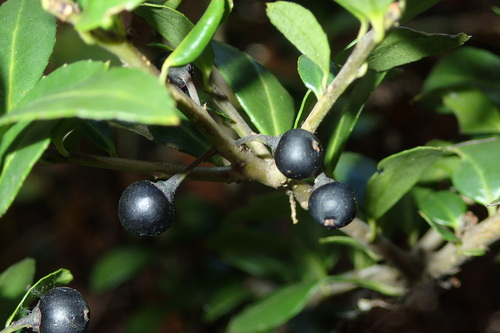
Virginia, US
Puedes ver Japanese Holly, Asian Jumpseed y Violetas.
Ver guía →










.jpg&width=800)


