Northern Alligator Lizard
Elgaria coerulea
The Northern Alligator Lizard is a cool reptile that looks like a little dragon! It has a long body and can be green or brown, helping it blend in with its surroundings.
Hábitat: Grasslands
The Northern Alligator Lizard has a long, slender body with tough, keeled scales that give it a rough texture. Its coloring varies from brown to grey or olive-green, often with dark bands or blotches. A distinct fold of skin runs along its sides.
Categoría
ReptilesRareza
Common
Peligro
1/5 · Muy bajo
Snaps
¡Sé la primera persona en hacer un snap!
A special side groove lets their body expand when eating or pregnant.
Their long, sticky tongue can snatch up unsuspecting insects in a flash!
These lizards give birth to live young, not eggs, which is quite rare!
They have sharp, conical teeth perfect for gripping slippery insects and worms.
Northern Alligator Lizard can detach its tail to distract predators, giving it a chance to flee to safety.
Northern Alligator Lizard has rough, banded scales that help it disappear perfectly into its forest environment.
Northern Alligator Lizard has tough, keeled scales and bony plates under its skin for protection from attacks.
Tiny hunters, they feast on insects and other small critters found in their woodland homes.
Pituophis catenifer
Common predator in its habitat.
Buteo jamaicensis
A swift bird of prey that hunts lizards.
Limax maximus
Actively searches for slow-moving slugs.

Gryllus pennsylvanicus
A primary food source for these lizards.
Los animales solitarios viven solos durante la mayor parte de su vida y solo interactúan con otros para aparearse o cuidar de sus crías.
El camuflaje describe a los organismos que poseen colores o patrones que les permiten mezclarse con su entorno.
Este rasgo identifica a los organismos cuya dieta consiste principalmente en insectos y otros pequeños invertebrados.
Los hábitats de pastizales son biomas terrestres dominados por pastos y plantas herbáceas, que sustentan a una variedad de animales de pastoreo.

Este rasgo identifica a los organismos cuya dieta consiste total o principalmente en tejido animal.

Los animales diurnos están activos principalmente durante el día y suelen descansar o dormir por la noche.

Este rasgo identifica a los organismos que exhiben una rapidez excepcional en sus movimientos para cazar, escapar o desplazarse.
Todavía no hay alias listados.
Peligro
1/5 · Muy bajo
If you see a lizard, watch it from a distance and don't try to touch it.
10-30 cm
0.005-0.03 kg
10-15 años
10 km/h
Tiny hunters, they feast on insects and other small critters found in their woodland homes.
Grasslands
Ambush y Foraging
2-15
Acércate para separar los grupos y explorar dónde se ha fotografiado este objeto.
Los snaps recientes aparecerán aquí a medida que se añadan nuevas observaciones.
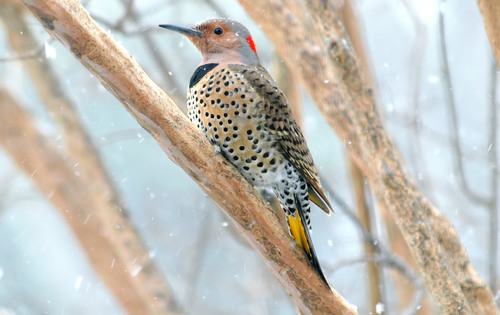
British Columbia, CA
Puedes ver Carpintero Norteño, Pavo Real Común y Red-Breasted Sapsucker.
Ver guía →

British Columbia, CA
Puedes ver águila Calva, Ghost Pipe y Salmonberry.
Ver guía →
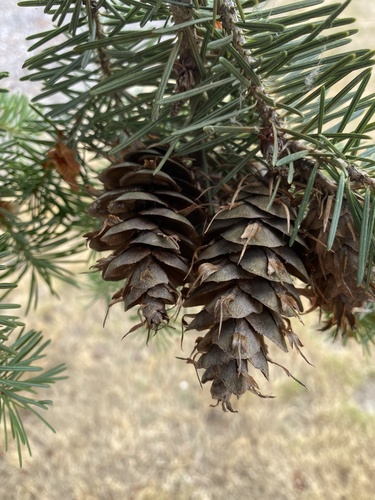
British Columbia, CA
Puedes ver Abeto De Douglas, Purple Foxglove y Oregon Oak.
Ver guía →
British Columbia, CA
Puedes ver Abeto De Douglas, Pacific Madrone y Tritón De Piel Rugosa.
Ver guía →

British Columbia, CA
Puedes ver Herb Robert, Western Redcedar y Thimbleberry.
Ver guía →

British Columbia, CA
Puedes ver Western Toad, Ghost Pipe y Pacific Coralroot.
Ver guía →