






Northern Checkerspot
Chlosyne palla
The Northern Checkerspot is a colorful butterfly with bright orange and black patterns. It flutters around fields and meadows, bringing joy to anyone who sees it!
Hábitat: Grasslands
The Northern Checkerspot is a medium-sized butterfly with an intricate pattern of orange, black, and white squares across its wings. Its hindwings often feature a prominent band of bright orange spots against a dark background, making it distinct from similar checkerspot species.
Categoría
InsectosRareza
Common
Peligro
1/5 · Muy bajo
Snaps
¡Sé la primera persona en hacer un snap!
Female Northern Checkerspots lay all their tiny eggs together in a big cluster on one leaf!
Its caterpillars change colors as they grow, starting dark and becoming striped!
They can tell if a plant is safe to eat just by tasting it with their special sensory feet!
This butterfly sips sweet flower nectar using a long, straw-like tongue called a proboscis.
Northern Checkerspot has a detailed checkered pattern that helps them blend into their flowery habitats, making them harder for predators to spot.
Northern Checkerspot larvae can only eat certain plants because of their specialized digestive systems, which helps them avoid toxic plants.
Northern Checkerspot can dart quickly and erratically through the air, allowing them to escape from birds and other hungry predators.
Adults sip flower nectar; caterpillars munch on specific plant leaves.
Diferencias por edad: Caterpillars consume plant leaves, while adults primarily drink flower nectar.
Penstemon strictus
Larvae feed on its leaves for growth.

Cyanocitta stelleri
A common bird predator in its range.

Castilleja miniata
Another primary host plant for its caterpillars.
Los animales solitarios viven solos durante la mayor parte de su vida y solo interactúan con otros para aparearse o cuidar de sus crías.
Colorido describe a organismos u objetos que exhiben una amplia variedad de colores brillantes y distintivos.
Este rasgo caracteriza a los organismos cuya dieta consiste total o principalmente en material vegetal.
Describe plantas que son particularmente atractivas y beneficiosas para una amplia variedad de organismos polinizadores.

Los hábitats de pastizales son biomas terrestres dominados por pastos y plantas herbáceas, que sustentan a una variedad de animales de pastoreo.

Los animales diurnos están activos principalmente durante el día y suelen descansar o dormir por la noche.

Describe organismos que transfieren polen, permitiendo la fertilización y reproducción de las plantas.
Todavía no hay alias listados.
Peligro
1/5 · Muy bajo
Always look but don't touch butterflies, as they are delicate and can be easily hurt.
35-55 mm
15-25 mm
10-25 días
10 km/h
Adults sip flower nectar; caterpillars munch on specific plant leaves.
Grasslands
Foraging
6
Acércate para separar los grupos y explorar dónde se ha fotografiado este objeto.
Los snaps recientes aparecerán aquí a medida que se añadan nuevas observaciones.
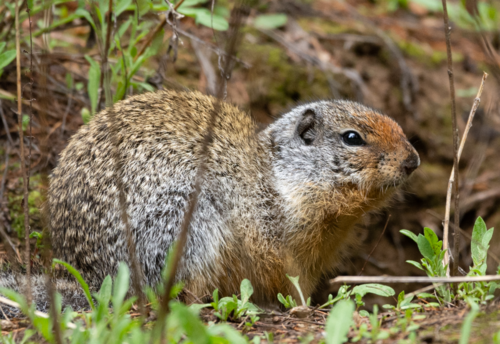
British Columbia, CA
Puedes ver Columbian Ground Squirrel y Spotted Knapweed.
Ver guía →

British Columbia, CA
Puedes ver Shinyleaf Meadowsweet, Northern Checkerspot y Fireweed.
Ver guía →

British Columbia, CA
Puedes ver Oregon Grape, Shinyleaf Meadowsweet y Bush Penstemon.
Ver guía →













