.jpg&width=800)





Northern House Wren
Troglodytes aedon
The Northern House Wren is a small, cheerful bird that loves to sing! They build their nests in cozy places like birdhouses and tree holes, making them fun to watch.
Hábitat: Urban areas
The Northern House Wren is a tiny, active bird with dull brown plumage over most of its body, often appearing grayish on the underside. It has faint barring on its wings and tail, a short, slightly upturned tail, and a slender, dark bill. This plain appearance helps it blend into its natural environment.
Categoría
AvesRareza
Common
Peligro
1/5 · Muy bajo
Snaps
¡Sé la primera persona en hacer un snap!
A male wren might build several 'dummy' nests for a female to choose her favorite from!
Despite their small size, these wrens often chase away much bigger birds from their territory.
House Wrens often reuse birdhouses or abandoned nests from other species to raise their families.
Their scientific name, 'Troglodytes', means 'cave-dweller,' referring to their love for cavities.
Northern House Wrens have a complex, bubbly song that helps them defend territory and attract mates.
Northern House Wrens can fill cavities with twigs, sometimes preventing other birds from nesting there.
Northern House Wrens can deftly forage for insects in dense vegetation, helping control pest populations.
These small birds are amazing insect hunters, snatching up tiny bugs to eat!
Felis catus
House wrens are common prey for cats.
Thamnophis sirtalis
Snakes can raid nests, eating eggs or chicks.
Araneus diadematus
Wrens actively hunt various spider species.
Manduca sexta
Caterpillars are a main food source, especially for young.
Describe a los animales, principalmente aves, que poseen una cubierta de plumas.
Los animales sociales viven en grupos organizados, cooperando para obtener beneficios de supervivencia como la búsqueda de alimento, la defensa y la cría de descendencia.
Los animales cantores producen vocalizaciones complejas, a menudo con el propósito de atraer parejas, defender el territorio o comunicarse dentro de su especie.
Este rasgo identifica a los organismos cuya dieta consiste principalmente en insectos y otros pequeños invertebrados.

Los animales diurnos están activos principalmente durante el día y suelen descansar o dormir por la noche.

Esta característica de hábitat indica especies que pueden coexistir con los humanos en entornos urbanos y suburbanos, utilizando estructuras artificiales y espacios verdes.
Todavía no hay alias listados.
Peligro
1/5 · Muy bajo
Enjoy watching birds from a distance and don't disturb their nests.
11-13 cm
12-18 cm
0.01-0.012 kg
2-7 años
35 km/h
These small birds are amazing insect hunters, snatching up tiny bugs to eat!
Urban areas
Foraging
Acércate para separar los grupos y explorar dónde se ha fotografiado este objeto.
Los snaps recientes aparecerán aquí a medida que se añadan nuevas observaciones.
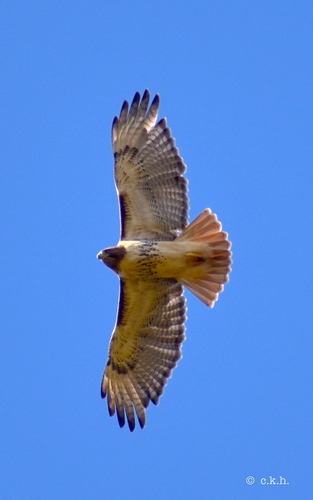
New Hampshire, US
Puedes ver Busardo Colirrojo, Cardenal Norteño y Chipping Sparrow.
Ver guía →

Minnesota, US
Puedes ver Rue Anemone, Eastern Skunk Cabbage y Bloodroot.
Ver guía →

Virginia, US
Puedes ver Tortuga De Caja Oriental, Sicómoro y Grape Family.
Ver guía →
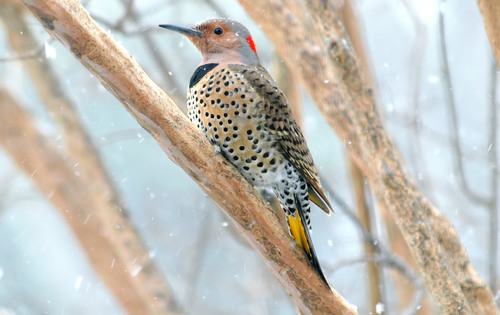
British Columbia, CA
Puedes ver Carpintero Norteño, Pavo Real Común y Red-Breasted Sapsucker.
Ver guía →
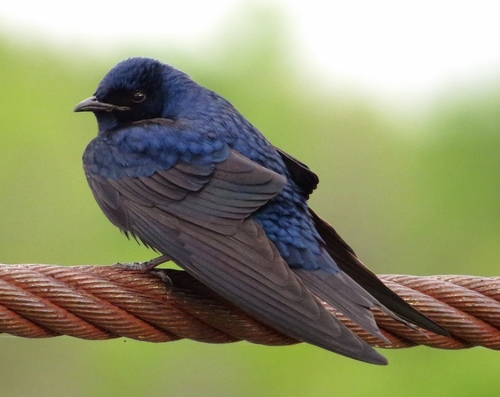
California, US
Puedes ver Purple Martin, Acorn Woodpecker y Junco Ojioscuro.
Ver guía →
Michigan, US
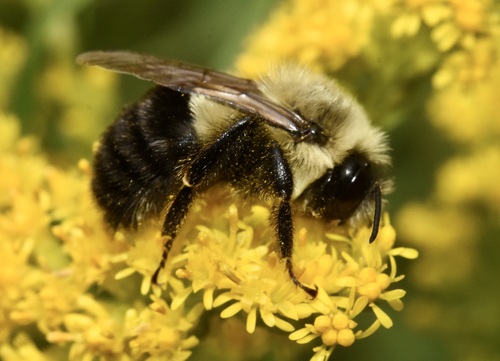
Puedes ver Common Eastern Bumble Bee y Brown-Belted Bumble Bee.
Ver guía →