



Northern Pearly-eye
Lethe anthedon
The Northern Pearly-eye is a beautiful butterfly with big, round eyes on its wings. It loves to flutter around in sunny spots and can be found resting on tree trunks.
Hábitat: Forests
The Northern Pearly-eye has dull brownish-orange wings, with males slightly darker than females. Its defining feature is a row of 3-4 prominent, black, white-ringed eyespots on each hindwing, resembling small pearls. These spots distinguish it from most other woodland butterflies.
Categoría
InsectosRareza
Common
Peligro
1/5 · Muy bajo
Snaps
¡Sé la primera persona en hacer un snap!
It loves to sip tree sap and juice from rotting fruit more than flower nectar!
Its caterpillar cleverly hides by rolling up the edges of grass blades.
Only found in North America, often seen fluttering through shady forests.
They are part of the "brush-footed" butterfly family, with tiny front legs!
Northern Pearly-eye has bold eyespots on its wings that help them startle predators, making them hesitate and giving the butterfly time to escape.
Northern Pearly-eye can blend seamlessly into its woodland home because its dull brown wings perfectly mimic dead leaves or tree bark.
Northern Pearly-eye can fly with quick, unpredictable zig-zags that make it very difficult for birds and other predators to catch them mid-air.
Adults sip tree sap and nectar, while caterpillars munch on various leafy grasses.
Diferencias por edad: Caterpillars eat grasses, while adults primarily feed on tree sap and rotting fruit.
Cyanocitta cristata
Birds prey on adult butterflies and caterpillars.

Peromyscus leucopus
Rodents may eat caterpillars and pupae found on the ground.
Poa pratensis
Caterpillars feed on leaves of various grasses, including this common species.
Acer saccharum
Adults often feed on fermenting sap from wounds in maple trees.
Marcado con manchas o parches de un color diferente.
Los animales solitarios viven solos durante la mayor parte de su vida y solo interactúan con otros para aparearse o cuidar de sus crías.
Colorido describe a organismos u objetos que exhiben una amplia variedad de colores brillantes y distintivos.
Este rasgo caracteriza a los organismos cuya dieta consiste total o principalmente en material vegetal.

Describe plantas que son particularmente atractivas y beneficiosas para una amplia variedad de organismos polinizadores.

Los hábitats boscosos son entornos terrestres dominados por una densa cubierta arbórea, que sustentan una gran diversidad de vida animal y vegetal.

Los animales diurnos están activos principalmente durante el día y suelen descansar o dormir por la noche.

Describe organismos que transfieren polen, permitiendo la fertilización y reproducción de las plantas.
Todavía no hay alias listados.
Peligro
1/5 · Muy bajo
Always watch butterflies from a distance and don't try to catch them.
45-60 mm
20-30 mm
7-21 días
8-20 km/h
Adults sip tree sap and nectar, while caterpillars munch on various leafy grasses.
Forests
Foraging
6
Acércate para separar los grupos y explorar dónde se ha fotografiado este objeto.
Los snaps recientes aparecerán aquí a medida que se añadan nuevas observaciones.

Pennsylvania, US
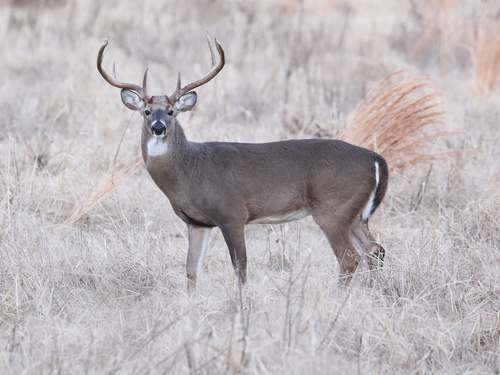
Puedes ver Ciervo De Cola Blanca y Mile-A-Minute Weed.
Ver guía →
Maryland, US
Puedes ver Ciervo De Cola Blanca, Oriental Bittersweet y Multiflora Rose.
Ver guía →
.jpg)
Maryland, US
Puedes ver Common Pawpaw, Huron Skipper y Orchard Orbweaver.
Ver guía →