






Northern Shoveler
Spatula clypeata
The Northern Shoveler is a colorful duck with a unique, wide bill that looks like a shovel! They love to swim in ponds and wetlands, where they filter food from the water.
Hábitat: Wetlands
The Northern Shoveler is easily recognized by its distinctively large, spoon-shaped bill. Males boast an iridescent green head, a white chest, and chestnut-red sides, while females are a more subtle mottled brown. Both sexes have a bright blue patch on their wings.
Categoría
AvesRareza
Common
Peligro
1/5 · Muy bajo
Snaps
¡Sé la primera persona en hacer un snap!
Northern Shovelers sometimes swim in circles to stir up tasty water bugs!
Their huge bill contains tiny comb-like filters called lamellae!
These ducks often dabble with their heads down, showing their rumps!
You might spot their bright blue wing patches when they fly away!
Northern Shoveler has a unique, broad, spoon-shaped bill with special filters that helps them sieve tiny food from water.
Northern Shoveler can spin in circles in the water to create currents, concentrating food particles for easier filtering.
Northern Shoveler can fly thousands of kilometers during migration, helping them find warm wintering grounds and abundant food.
These ducks filter tiny plants, seeds, and small critters from the water using their special bills.
Haliaeetus leucocephalus
Adult shovelers can be prey for large raptors.

Canis latrans
Coyotes often prey on eggs and ducklings in nests.
Typha latifolia
Cattails provide nesting cover and materials in marsh habitats.
Daphnia magna
Water fleas are a common zooplankton filtered by their bills.
Se caracteriza por tener los dedos conectados por una membrana, lo que generalmente ayuda a nadar.
Marcado con manchas o parches de un color diferente.
Los animales sociales viven en grupos organizados, cooperando para obtener beneficios de supervivencia como la búsqueda de alimento, la defensa y la cría de descendencia.
Colorido describe a organismos u objetos que exhiben una amplia variedad de colores brillantes y distintivos.

Los filtradores obtienen nutrientes filtrando partículas de alimentos suspendidos y pequeños organismos del agua.

Este rasgo de hábitat identifica especies que se encuentran en humedales, que son áreas de tierra saturadas de agua, ya sea permanente o estacionalmente, e incluyen marismas, pantanos y ciénagas.

Los animales diurnos están activos principalmente durante el día y suelen descansar o dormir por la noche.

Los hábitats acuáticos abarcan entornos donde los organismos viven principalmente en el agua, incluidos océanos, ríos, lagos y humedales.

Los animales migratorios emprenden movimientos estacionales de una región a otra, típicamente en respuesta a cambios en el clima o la disponibilidad de alimentos.
Peligro
1/5 · Muy bajo
Always watch ducks from a distance and don't feed them bread.
43-56 cm
70-84 cm
0.4-0.8 kg
10-15 años
75 km/h
These ducks filter tiny plants, seeds, and small critters from the water using their special bills.
Wetlands
Filter Feeding
Acércate para separar los grupos y explorar dónde se ha fotografiado este objeto.
Los snaps recientes aparecerán aquí a medida que se añadan nuevas observaciones.

District of Columbia, US
Puedes ver Pato, Ardilla Gris Oriental y Barnacla Canadiense.
Ver guía →
British Columbia, CA
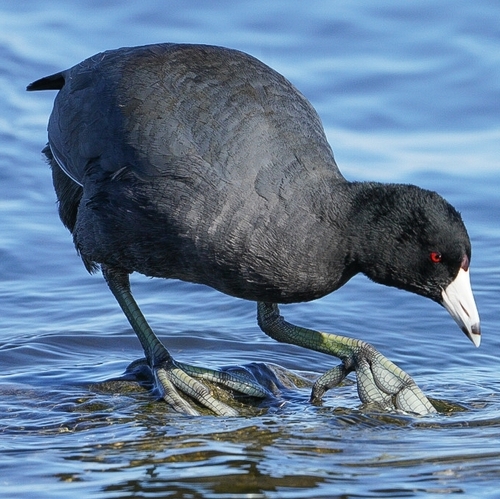
Puedes ver American Coot, Pato y Barnacla Canadiense.
Ver guía →

New Mexico, US
Puedes ver Creosote Bush, Devilshead y Lace-Spine Nipple Cactus.
Ver guía →







.jpg&width=800)









