






Northern Tamandua
Tamandua mexicana
The Northern Tamandua is a cute, tree-climbing animal that loves to eat ants and termites. With its long snout and strong claws, it can dig into nests to find tasty treats!
Hábitat: Forests
The Northern Tamandua has a distinctive 'vest' pattern of black fur across its shoulders and back, contrasting sharply with its pale yellow or tan body. It possesses a long, pointed snout and small, rounded ears. Its largely hairless, prehensile tail helps it stand out from ground-dwelling anteaters.
Categoría
MamíferosRareza
Common
Peligro
2/5 · Bajo
Snaps
¡Sé la primera persona en hacer un snap!
Its black 'vest' pattern can look like a hole in a tree, helping it hide!
Northern Tamanduas don't have any teeth, using their strong stomach to grind food!
These animals can spray a stinky, musky liquid that smells worse than a skunk!
They protect their long claws by walking on the sides of their front feet!
Northern Tamandua has a powerful, naked prehensile tail that helps them grip branches while climbing and feeding.
Northern Tamandua can use its long, sharp claws to tear open tough insect nests and defend itself from predators.
Northern Tamandua has an excellent sense of smell that helps them sniff out hidden ants and termites in trees and logs.
Northern Tamandua has a long, sticky tongue that helps them quickly lap up thousands of ants and termites.
This amazing insectivore loves to feast on ants and termites found in forests.
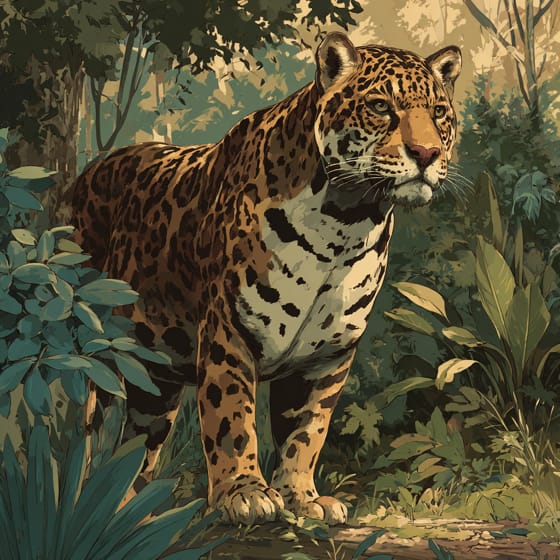
Panthera onca
Major predator of tamanduas.
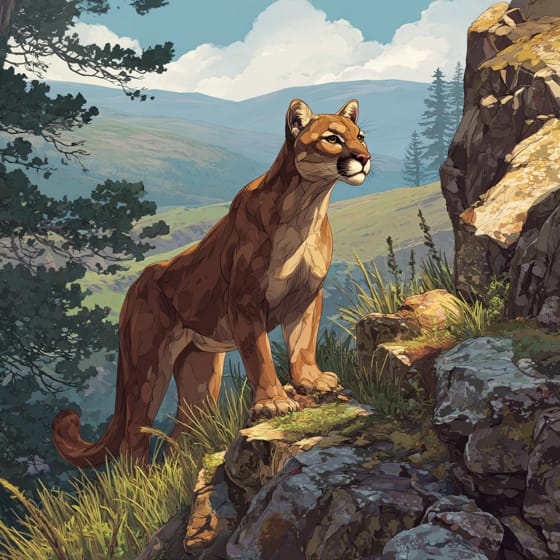
Puma concolor
Also preys on tamanduas.
Harpia harpyja
Large raptor that can prey on arboreal tamanduas.
Peludo describe a los animales que poseen una cubierta densa de pelo o pelaje suave.
Los animales solitarios viven solos durante la mayor parte de su vida y solo interactúan con otros para aparearse o cuidar de sus crías.
Los animales arborícolas viven principalmente en los árboles, utilizándolos como refugio, alimento y protección contra los depredadores.
Este rasgo identifica a los organismos cuya dieta consiste principalmente en insectos y otros pequeños invertebrados.

Los hábitats boscosos son entornos terrestres dominados por una densa cubierta arbórea, que sustentan una gran diversidad de vida animal y vegetal.

El estado de amenazado indica que es probable que una especie pase a estar en peligro de extinción en el futuro cercano si no se toman medidas efectivas de conservación.

Los animales nocturnos están principalmente activos durante la noche, y suelen descansar o dormir durante el día.
Peligro
2/5 · Bajo
Tamanduas are wild animals and should be admired from a distance. Never try to touch or feed them.
35-55 cm
3.5-8.5 kg
9-10 años
10 km/h
This amazing insectivore loves to feast on ants and termites found in forests.
Forests
Foraging
1
Acércate para separar los grupos y explorar dónde se ha fotografiado este objeto.
Los snaps recientes aparecerán aquí a medida que se añadan nuevas observaciones.






.jpg&width=800)









