






Northern Yellow Warbler
Setophaga aestiva
The Northern Yellow Warbler is a small, bright yellow bird that loves to sing. It flits around trees and bushes, making its cheerful song heard in the spring and summer.
Hábitat: Forests
The Northern Yellow Warbler is a small, vibrant yellow bird, often with distinctive reddish-brown streaks on its breast, especially in males. Its bright plumage makes it stand out among foliage, distinguishing it from other duller warblers.
Categoría
AvesRareza
Common
Peligro
1/5 · Muy bajo
Snaps
¡Sé la primera persona en hacer un snap!
Its tightly woven nests can hold water like a tiny cup!
Males sing a "sweet, sweet, sweet, I'm so sweet" song!
Some warblers build new nest floors to bury unwelcome eggs!
These tiny birds migrate thousands of kilometers every year!
Northern Yellow Warblers can build incredibly strong, cup-shaped nests because they tightly weave plant fibers, making them durable.
Northern Yellow Warblers can recognize and sometimes reject foreign eggs, even building new nest layers to bury unwanted ones.
Northern Yellow Warblers can perform swift, agile maneuvers in flight because of their small size, helping them catch insects mid-air.
This tiny bird mostly eats insects, keeping many garden pests in check.
.jpg&width=800)
Molothrus ater
Lays eggs in warbler nests.

Accipiter striatus
Predator of adult warblers.
Salix nigra
Often nests in willow thickets.
Malacosoma disstria
Feeds heavily on these caterpillars.
Describe a los animales, principalmente aves, que poseen una cubierta de plumas.
Los animales sociales viven en grupos organizados, cooperando para obtener beneficios de supervivencia como la búsqueda de alimento, la defensa y la cría de descendencia.
Los animales cantores producen vocalizaciones complejas, a menudo con el propósito de atraer parejas, defender el territorio o comunicarse dentro de su especie.
Colorido describe a organismos u objetos que exhiben una amplia variedad de colores brillantes y distintivos.

Este rasgo identifica a los organismos cuya dieta consiste principalmente en insectos y otros pequeños invertebrados.

Los hábitats boscosos son entornos terrestres dominados por una densa cubierta arbórea, que sustentan una gran diversidad de vida animal y vegetal.

Los animales diurnos están activos principalmente durante el día y suelen descansar o dormir por la noche.

Los animales migratorios emprenden movimientos estacionales de una región a otra, típicamente en respuesta a cambios en el clima o la disponibilidad de alimentos.
Todavía no hay alias listados.
Peligro
1/5 · Muy bajo
Enjoy watching birds from a distance and don't disturb their nests.
10-13 cm
16-20 cm
0.007-0.012 kg
2-10 años
40 km/h
This tiny bird mostly eats insects, keeping many garden pests in check.
Forests
Foraging
Acércate para separar los grupos y explorar dónde se ha fotografiado este objeto.
Los snaps recientes aparecerán aquí a medida que se añadan nuevas observaciones.

Quebec, CA
Puedes ver Marmota, Gaviota De Delaware y Ardilla Gris Oriental.
Ver guía →
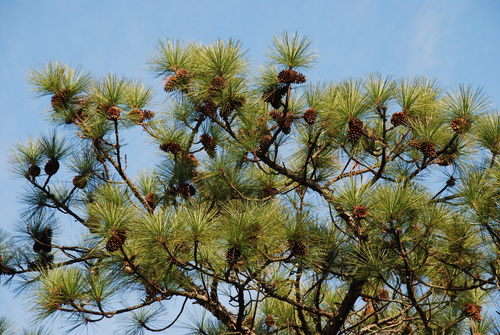
Virginia, US
Puedes ver Pines, Common Milkweed y Sweetbay Magnolia.
Ver guía →

Ontario, CA
Puedes ver Monarch, Rana Leopardo y Cisne Vulgar.
Ver guía →

British Columbia, CA
Puedes ver Babosa Banana, Round-Leaved Sundew y Spleenwortleaf Goldthread.
Ver guía →

Ontario, CA
Puedes ver Golondrina Común y Northern Yellow Warbler.
Ver guía →
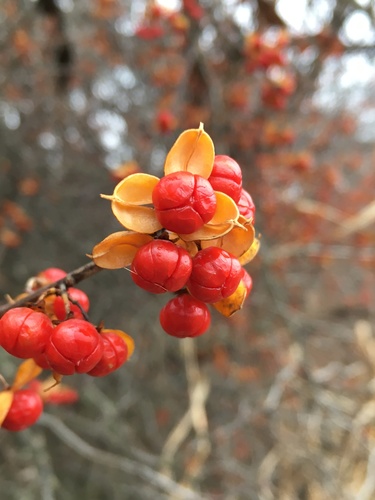
New Jersey, US
Puedes ver Oriental Bittersweet y Upright Yellow Woodsorrel.
Ver guía →





.jpg&width=800)



.jpg&width=800)

