





Nyctoporis
Nyctoporis
Los Nyctoporis son insectos fascinantes que a menudo se encuentran en lugares oscuros y húmedos. Tienen formas y colores únicos que les ayudan a mezclarse con su entorno, lo que los convierte en una pequeña criatura especial para descubrir en la naturaleza.
Hábitat: Bosques
El Nyctoporis es un escarabajo de la oscuridad de tamaño mediano, típicamente negro o marrón oscuro, a menudo con un cuerpo robusto y ovalado y un exoesqueleto áspero y texturizado. Su superficie puede parecer opaca o finamente estriada, lo que le ayuda a camuflarse en su entorno seco y terroso.
Categoría
InsectosRareza
Common
Peligro
1/5 · Muy bajo
Snaps
¡Sé la primera persona en hacer un snap!
¡Muchos Nyctoporis tienen caparazones rugosos y esculpidos que son únicos para su especie!
¡Las larvas de Nyctoporis pueden pasar años bajo tierra antes de emerger como escarabajos adultos!
¡Estos escarabajos son los recicladores de la naturaleza, masticando plantas muertas para mantener los bosques ordenados!
¡Cuando se asustan, los Nyctoporis a menudo se quedan completamente inmóviles, fingiendo ser una piedra sin vida!
Nyctoporis tiene un exoesqueleto increíblemente duro que les ayuda a resistir a los depredadores y las duras condiciones en sus hábitats secos.
Nyctoporis puede encontrar comida y navegar en la oscuridad gracias a sus antenas especializadas, lo que les ayuda a evitar depredadores diurnos y el calor extremo.
Nyctoporis puede absorber pequeñas cantidades de agua directamente del aire o suelo húmedo gracias a su cutícula cerosa, lo que les ayuda a sobrevivir en los desiertos.
Los escarabajos Nyctoporis son los pequeños recicladores de la naturaleza, festejando con plantas y hongos muertos.
Diferencias por edad: Las larvas también se alimentan de materia vegetal en descomposición que se encuentra en el suelo.
Pituophis catenifer
Las culebras a menudo cazan estos escarabajos entre rocas y escombros.
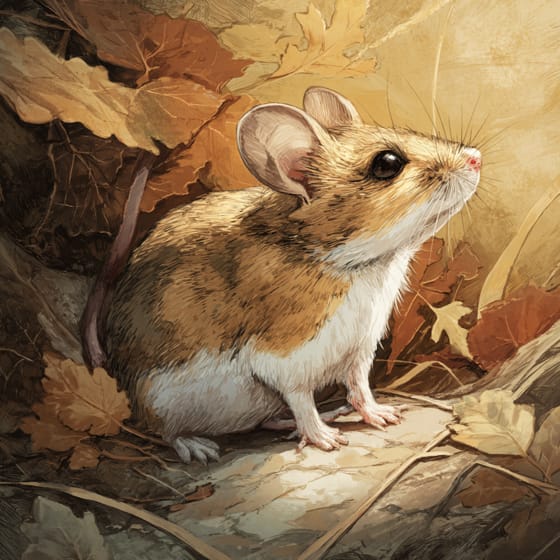
Peromyscus maniculatus
Los ratones buscan escarabajos bajo la cubierta durante la noche.
Quercus agrifolia
Se alimenta de hojas y madera en descomposición de los robles.
Los animales solitarios viven solos durante la mayor parte de su vida y solo interactúan con otros para aparearse o cuidar de sus crías.
El camuflaje describe a los organismos que poseen colores o patrones que les permiten mezclarse con su entorno.
Los hábitats boscosos son entornos terrestres dominados por una densa cubierta arbórea, que sustentan una gran diversidad de vida animal y vegetal.
Describe a los organismos que descomponen la materia orgánica muerta, reciclando los nutrientes de vuelta al ecosistema.

Relativo a especies que son significativamente más pequeñas que lo típico o promedio de su tipo.

Los animales nocturnos están principalmente activos durante la noche, y suelen descansar o dormir durante el día.

Describe organismos que transfieren polen, permitiendo la fertilización y reproducción de las plantas.
Todavía no hay alias listados.
Peligro
1/5 · Muy bajo
¡Sé amable y evita tocar insectos a menos que sepas que son seguros!
La forma más fácil de identificar a Nyctoporis es usar la aplicación de identificación de naturaleza Snappit.
5-20 mm
180-365 días
Los escarabajos Nyctoporis son los pequeños recicladores de la naturaleza, festejando con plantas y hongos muertos.
Bosques
Forrajeo
6
Acércate para separar los grupos y explorar dónde se ha fotografiado este objeto.
Los snaps recientes aparecerán aquí a medida que se añadan nuevas observaciones.
Llévate el descubrimiento
Haz una foto con Snappit, identifica la especie y guarda el hallazgo en tu colección.









.jpg&width=800)



