oakleaf hydrangea
Hydrangea quercifolia
The oakleaf hydrangea is a beautiful shrub with big, fluffy flowers that can be white or pink. Its leaves look like oak leaves, making it special and easy to recognize in gardens.
Hábitat: Forests
The oakleaf hydrangea has large, conical clusters of white flowers that gradually turn pink or purplish as they age. Its striking deep green leaves are distinctly lobed, resembling an oak tree's, and transform into vibrant shades of crimson, bronze, or purple in autumn.
Categoría
PlantasRareza
Common
Peligro
1/5 · Muy bajo
Snaps
¡Sé la primera persona en hacer un snap!
Early Americans used parts of this plant for traditional remedies for various ailments!
Its stunning flower clusters can grow over a foot long, like giant white cones!
The unique bark peels off in papery strips, revealing a beautiful, layered cinnamon color!
Unlike many hydrangeas, its flower color isn't changed by soil acidity, always starting white!
Oakleaf hydrangea has cinnamon-brown, peeling bark that creates visual appeal and offers protection through cold winter months.
This plant's large leaves turn stunning shades of red, bronze, and purple in fall, standing out brightly in the landscape.
Once established, the oakleaf hydrangea can tolerate periods of dry weather, helping it survive hotter, drier summers.
Apis mellifera
gathers nectar and pollen
Bombus impatiens
aids in plant reproduction
Odocoileus virginianus
browses leaves and stems
Las plantas caducifolias pierden periódicamente todas sus hojas, por lo general durante el otoño o las estaciones secas.
Las plantas con flores son cualquier planta que produce flores como parte de su ciclo reproductivo.
Un arbusto es una planta leñosa más pequeña que un árbol, típicamente con múltiples tallos que se ramifican desde o cerca del suelo.
Las plantas de floración de verano producen sus flores durante la temporada estival, a menudo aportando un color vibrante cuando muchas otras plantas ya han terminado de florecer.

Los colores otoñales se refieren al cambio estacional en la pigmentación del follaje, principalmente en plantas de hoja caduca, mostrando tonos vibrantes.

Colorido describe a organismos u objetos que exhiben una amplia variedad de colores brillantes y distintivos.

Describe plantas que son particularmente atractivas y beneficiosas para una amplia variedad de organismos polinizadores.

Los hábitats boscosos son entornos terrestres dominados por una densa cubierta arbórea, que sustentan una gran diversidad de vida animal y vegetal.
Todavía no hay alias listados.
Peligro
1/5 · Muy bajo
Always look but don't touch the plants without asking an adult.
120-240 cm
120-240 cm
2-3 cm
Verano
No
Leve
Perenne
Insectos
Acércate para separar los grupos y explorar dónde se ha fotografiado este objeto.
Los snaps recientes aparecerán aquí a medida que se añadan nuevas observaciones.
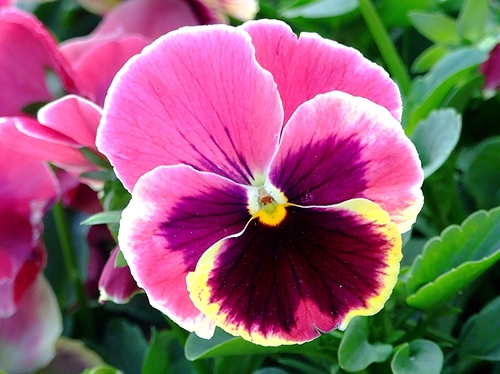
Delaware, US
Puedes ver Garden Pansy, Magnolia Común y Low Pricklypear.
Ver guía →

Alabama, US
Puedes ver Common Eastern Bumble Bee, Eastern Carpenter Bee y Pond Slider.
Ver guía →
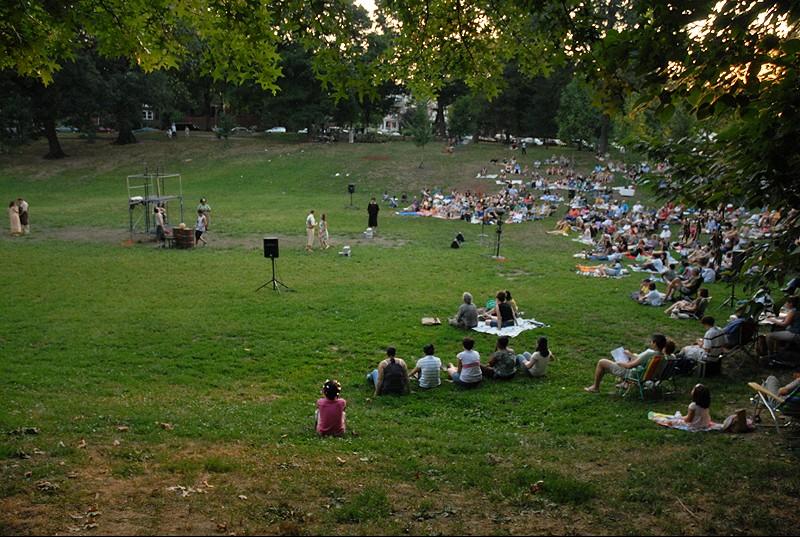
Pennsylvania, US
Puedes ver Petirrojo Americano, Kentucky Yellowwood y Cornejo De Kousa.
Ver guía →
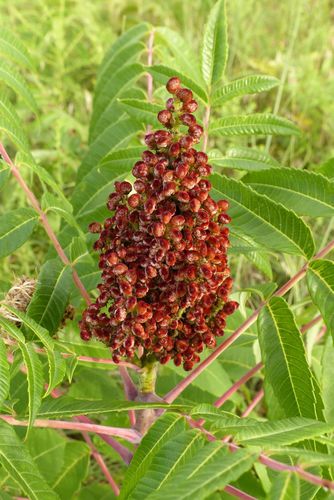
Massachusetts, US
Puedes ver Smooth Sumac, Brambles y Evening Primrose Family.
Ver guía →