






Oriental bittersweet
Celastrus orbiculatus
Oriental bittersweet is a climbing plant with bright orange berries and green leaves. It loves to grow on trees and fences, making it look beautiful in gardens and nature.
Hábitat: Urban areas
The Oriental bittersweet is a woody vine with glossy green leaves that turn yellow in autumn. Its most striking feature is bright clusters of round, orange-red berries encased in vibrant yellow, three-part capsules, which split open to reveal the colorful fruit.
Categoría
PlantasRareza
Common
Peligro
2/5 · Bajo
Snaps
¡Sé la primera persona en hacer un snap!
Its pretty berries look tasty, but are not safe for people to eat.
Its super strong vines can even snap small trees and fences!
The seeds inside the berries can travel far, often carried by birds!
This powerful vine can choke out other plants, even big trees!
Oriental bittersweet can wrap its strong, woody vines tightly around trees, using them for support to reach sunlight high above.
Oriental bittersweet has abundant, bright berries that help birds spread its seeds far and wide, aiding its rapid spread.
Oriental bittersweet can spread rapidly through underground stems and numerous seeds, quickly taking over new areas.
Turdus migratorius
Seeds dispersed after birds eat berries
Apis mellifera
Visits small flowers for nectar and pollen
Odocoileus virginianus
Deer sometimes browse the leaves and stems
Quercus rubra
Uses trees for support to climb high for light
Las plantas trepadoras o enredaderas se caracterizan por un hábito de crecimiento que les permite ascender enrollándose o usando zarcillos o raíces adhesivas.
Las plantas caducifolias pierden periódicamente todas sus hojas, por lo general durante el otoño o las estaciones secas.
Las plantas ornamentales se cultivan principalmente por su atractivo estético, embelleciendo paisajes y jardines con su atractivo follaje, flores o forma.
Los colores otoñales se refieren al cambio estacional en la pigmentación del follaje, principalmente en plantas de hoja caduca, mostrando tonos vibrantes.

Las plantas de crecimiento rápido exhiben tasas de crecimiento aceleradas, aumentando rápidamente de tamaño y biomasa en un corto período de tiempo.

Esta característica de hábitat indica especies que pueden coexistir con los humanos en entornos urbanos y suburbanos, utilizando estructuras artificiales y espacios verdes.

Los organismos venenosos producen toxinas que pueden causar daño si se ingieren, inhalan o absorben por contacto.

Las especies invasoras son organismos no nativos que causan daños al medio ambiente, la economía o la salud humana.
Peligro
2/5 · Bajo
Do not eat the berries, as they can make you feel sick.
150-1800 cm
100-1000 cm
0.3-0.5 cm
Late_spring
No
Moderada
Perenne
Insectos
Acércate para separar los grupos y explorar dónde se ha fotografiado este objeto.
Los snaps recientes aparecerán aquí a medida que se añadan nuevas observaciones.
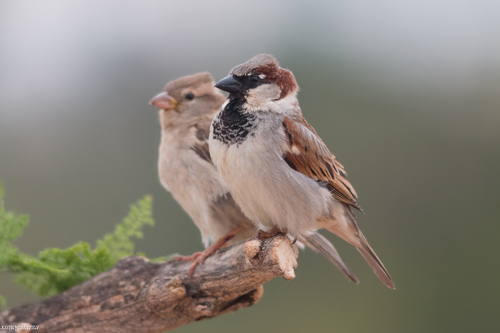
Massachusetts, US
Puedes ver Gorrión Común, Garlic Mustard y Pato.
Ver guía →

Virginia, US
Puedes ver Rana Verde, Pond Slider y Tortuga Mordedora.
Ver guía →
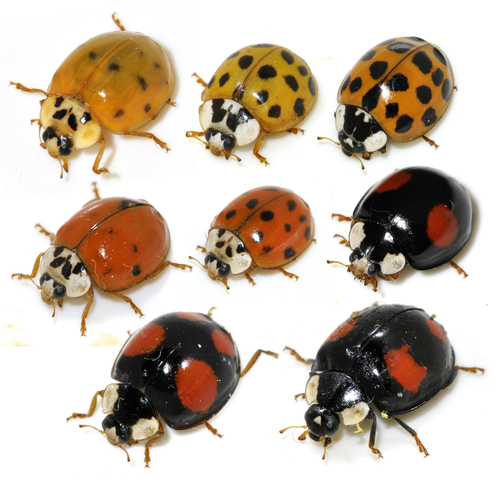
Virginia, US
Puedes ver Mariquita Asiática, Monarch y Oriental Bittersweet.
Ver guía →
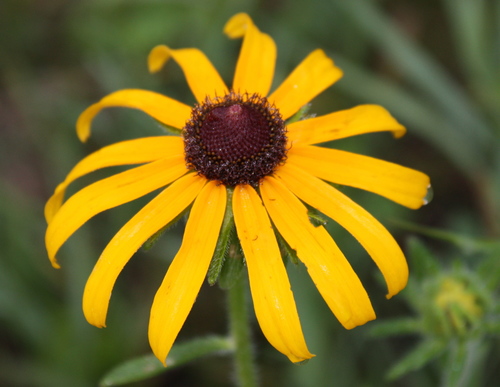
Virginia, US
Puedes ver Rudbeckia, Picamaderos Norteamericano y Monarch.
Ver guía →

Massachusetts, US
Puedes ver Japanese Knotweed y Common Eastern Bumble Bee.
Ver guía →
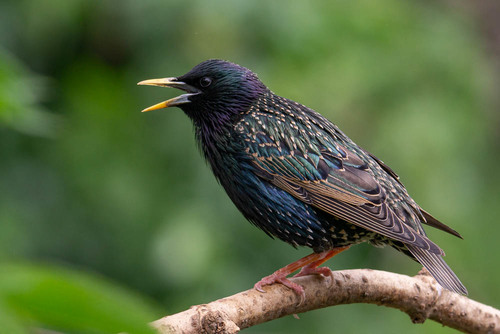
New York, US
Puedes ver Estornino Europeo, Henbit Deadnettle y Red Deadnettle.
Ver guía →
















