






Orinoco Goose
neochen jubata
The Orinoco Goose is a colorful and friendly bird that loves to swim in rivers and lakes. They are often seen waddling around in pairs, making them a delightful sight!
Hábitat: They live in freshwater wetlands, rivers, and lakes in South America.
The Orinoco Goose has a strikingly pale, almost white head and neck, contrasting with its rich chestnut-brown chest and belly. Its back and wings are dark, featuring a distinct iridescent green patch visible in flight. It stands out with bright pink legs and feet.
Categoría
AvesRareza
Common
Peligro
1/5 · Muy bajo
Snaps
¡Sé la primera persona en hacer un snap!
Baby Orinoco Geese are called goslings and are super fluffy!
Their bright pink legs and feet are super noticeable and help them stand out!
Their loud, trumpet-like calls are a signature sound of South American rivers!
These geese mostly stay in one area, rarely migrating far from home.
Orinoco Geese can nest in tree hollows, offering their eggs and chicks a unique, elevated refuge from ground predators.
Orinoco Geese can easily graze on various grasses and seeds found near water, helping them find food in different environments.
Orinoco Geese can take flight quickly, using powerful wingbeats to escape danger rapidly from open water or riverbanks.
These geese munch on green plants and various seeds found near water.
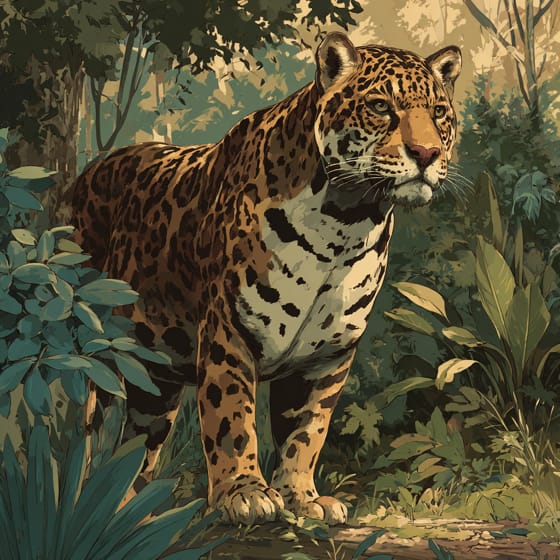
Panthera onca
Major predator of adult geese and eggs near South American rivers.
Caiman crocodilus
Caimans opportunistically prey on goslings and eggs in wetlands.
Paspalum notatum
These geese frequently graze on this common grass found in their habitat.
Eunectes murinus
Large anacondas can ambush geese or snatch eggs and goslings.
Los animales sociales viven en grupos organizados, cooperando para obtener beneficios de supervivencia como la búsqueda de alimento, la defensa y la cría de descendencia.
Colorido describe a organismos u objetos que exhiben una amplia variedad de colores brillantes y distintivos.
Este rasgo caracteriza a los organismos cuya dieta consiste total o principalmente en material vegetal.
Los animales diurnos están activos principalmente durante el día y suelen descansar o dormir por la noche.

Los hábitats acuáticos abarcan entornos donde los organismos viven principalmente en el agua, incluidos océanos, ríos, lagos y humedales.
Peligro
1/5 · Muy bajo
Todavía no hay notas especiales de seguridad.
60-75 cm
115-130 cm
1.2-1.7 kg
8-15 años
70 km/h
These geese munch on green plants and various seeds found near water.
They live in freshwater wetlands, rivers, and lakes in South America.
Foraging
Acércate para separar los grupos y explorar dónde se ha fotografiado este objeto.
Los snaps recientes aparecerán aquí a medida que se añadan nuevas observaciones.














