.jpg&width=800)





Osmia brevicornis
Osmia brevicornis
La Osmia brevicornis es una abeja pequeña y amigable que ayuda a que las flores crezcan al esparcir polen. Son excelentes construyendo nidos en pequeños agujeros y les encanta zumbar por los jardines en primavera.
Hábitat: Áreas urbanas, jardines
La Osmia brevicornis es una abeja pequeña y de cuerpo robusto, a menudo de color azul oscuro o negro con un ligero brillo metálico. Tiene pelos pálidos y densos en su parte inferior para transportar polen y un abdomen relativamente corto y ancho.
Categoría
InsectosRareza
Common
Peligro
1/5 · Muy bajo
Snaps
¡Sé la primera persona en hacer un snap!
Las hembras de Osmia brevicornis ponen un huevo en cada celda del nido con una bola de polen.
Estas abejas son excelentes reutilizando agujeros viejos para sus acogedores nidos.
Son polinizadores importantes para muchas plantas silvestres y árboles frutales.
A diferencia de las abejas de la miel, la Osmia brevicornis no produce miel para el consumo humano.
¡Estas ocupadas abejas se alimentan de néctar para obtener energía y recolectan polen para alimentar a sus crías en crecimiento!
Diferencias por edad: Las larvas consumen polen y néctar almacenados, mientras que los adultos se alimentan únicamente de néctar.
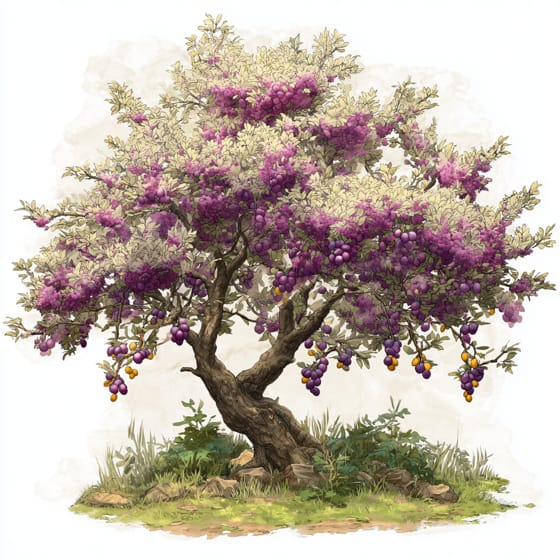
Prunus domestica
Ayuda a los ciruelos a producir frutos.
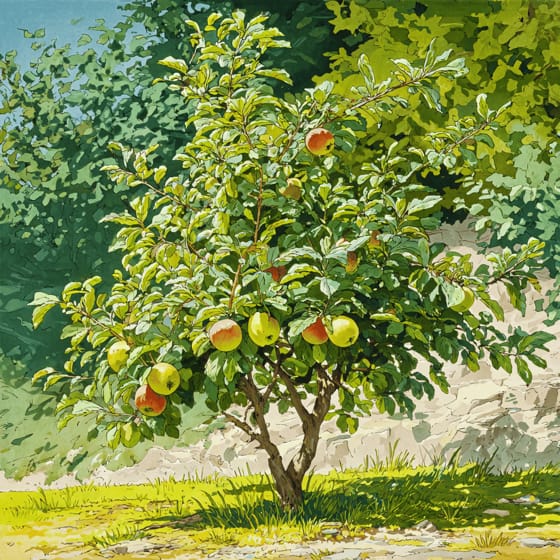
Malus domestica
Un polinizador crucial para deliciosas cosechas de manzanas.
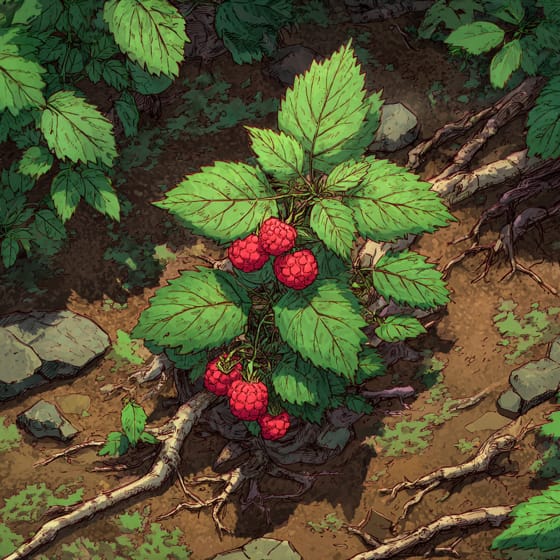
Rubus idaeus
Impulsa la producción de frutos de la planta de frambuesa.
%2C_Parc_de_Woluw%C3%A9%2C_Brussels_(13042792905).jpg&width=800)
Parus major
Las larvas y los adultos pueden ser depredados por aves.
Araneus diadematus
Puede quedar atrapado en telarañas como presa.
Peludo describe a los animales que poseen una cubierta densa de pelo o pelaje suave.
Los animales solitarios viven solos durante la mayor parte de su vida y solo interactúan con otros para aparearse o cuidar de sus crías.
Este rasgo caracteriza a los organismos cuya dieta consiste total o principalmente en material vegetal.
Describe plantas que son particularmente atractivas y beneficiosas para una amplia variedad de organismos polinizadores.

Los animales diurnos están activos principalmente durante el día y suelen descansar o dormir por la noche.

Describe una especie cuya presencia y papel tienen un efecto desproporcionadamente grande en su entorno.

Esta característica de hábitat indica especies que pueden coexistir con los humanos en entornos urbanos y suburbanos, utilizando estructuras artificiales y espacios verdes.

Describe organismos que transfieren polen, permitiendo la fertilización y reproducción de las plantas.
Todavía no hay alias listados.
Peligro
1/5 · Muy bajo
Sé suave y silencioso alrededor de las abejas; generalmente no son dañinas si se les deja tranquilas.
La forma más fácil de identificar a Osmia brevicornis es usar la aplicación de identificación de naturaleza Snappit.
10-15 mm
7-10 mm
20-40 días
¡Estas ocupadas abejas se alimentan de néctar para obtener energía y recolectan polen para alimentar a sus crías en crecimiento!
Áreas urbanas, jardines
Búsqueda De Alimento
6
Acércate para separar los grupos y explorar dónde se ha fotografiado este objeto.
Los snaps recientes aparecerán aquí a medida que se añadan nuevas observaciones.
Llévate el descubrimiento
Haz una foto con Snappit, identifica la especie y guarda el hallazgo en tu colección.






.jpg&width=800)



