






Osoberry
Oemleria cerasiformis
The Osoberry is a lovely shrub that grows in the wild. It has beautiful green leaves and produces small, tasty berries that many animals enjoy eating.
Hábitat: Forests
The Osoberry is a deciduous shrub with slender branches and oval, light green leaves that turn yellow in fall. It produces small, drooping clusters of greenish-white flowers in early spring, followed by almond-shaped berries that ripen from green to orange to dark purple.
Categoría
PlantasRareza
Common
Peligro
1/5 · Muy bajo
Snaps
¡Sé la primera persona en hacer un snap!
Crush an Osoberry leaf and it smells surprisingly like cucumbers or watermelon!
Its scientific name, Oemleria, honors a botanist named August Gottlieb Oemler!
Native Americans used its straight, strong wood for making useful tools and arrows.
Osoberry is the ONLY species in its entire plant genus in the world!
Osoberry can bloom earlier than most plants, helping it get a head start on attracting hungry pollinators.
Osoberry has berries that change color from green to orange to purple, signaling to animals when they are perfectly ripe.
Osoberry can grow well in disturbed areas or forest edges, helping to colonize new spaces with its strong roots.
Ursus americanus
eats its ripe, purple berries.
Turdus migratorius
enjoys the small, juicy fruits.
Apis mellifera
visits early spring flowers for nectar.

Cyanocitta stelleri
disperses seeds by eating berries.
Las plantas caducifolias pierden periódicamente todas sus hojas, por lo general durante el otoño o las estaciones secas.
Las plantas con flores son cualquier planta que produce flores como parte de su ciclo reproductivo.
Un arbusto es una planta leñosa más pequeña que un árbol, típicamente con múltiples tallos que se ramifican desde o cerca del suelo.
Las plantas de floración primaveral producen sus flores durante la temporada de primavera, lo que a menudo significa el final del invierno y el comienzo de un nuevo crecimiento.

Las plantas frutales producen frutos, que son los ovarios maduros de las plantas con flores que contienen semillas.

Un árbol frutal es un árbol perenne que produce frutos comestibles para humanos o animales.

Las plantas comestibles son aquellas partes de una planta que se consideran seguras para el consumo humano.

Los hábitats boscosos son entornos terrestres dominados por una densa cubierta arbórea, que sustentan una gran diversidad de vida animal y vegetal.
Peligro
1/5 · Muy bajo
Always ask an adult before picking or eating wild berries.
200-500 cm
150-400 cm
0.5-1 cm
Early spring
Sí
Leve
Perenne
Insectos
Acércate para separar los grupos y explorar dónde se ha fotografiado este objeto.
Los snaps recientes aparecerán aquí a medida que se añadan nuevas observaciones.

Washington, US
Puedes ver Bigleaf Maple, Common Snowberry y Osoberry.
Ver guía →
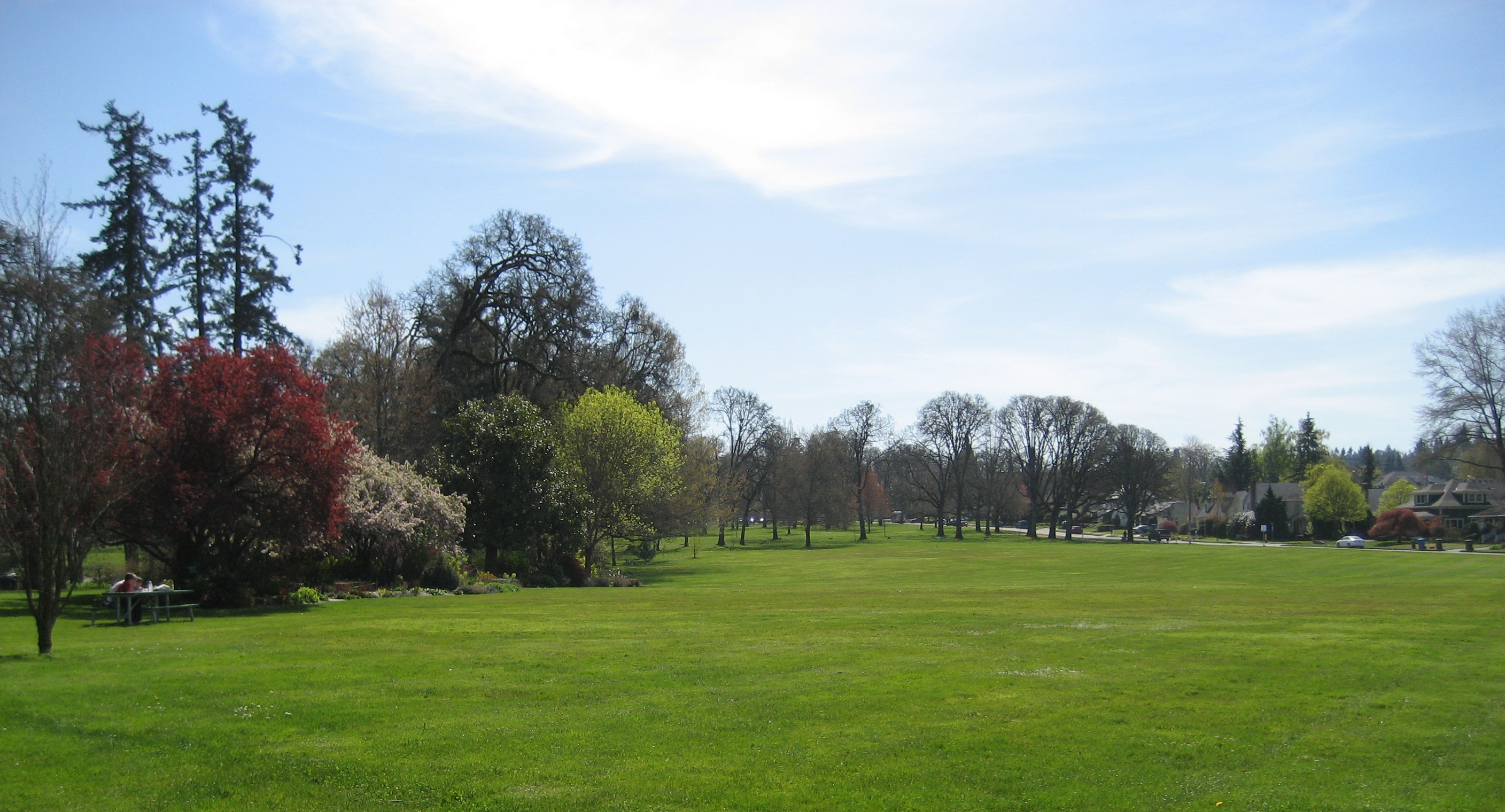
Oregon, US
Puedes ver Oregon Oak, Douglas's Ground Squirrel y Ardilla Gris Oriental.
Ver guía →
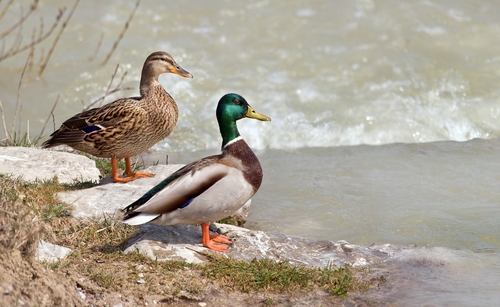
Washington, US
Puedes ver Pato, American Tuliptree y Garza Azulada.
Ver guía →
.jpg)
Washington, US
Puedes ver Pato, Garza Azulada y Western Redcedar.
Ver guía →

British Columbia, CA
Puedes ver Herb Robert, Western Redcedar y Thimbleberry.
Ver guía →

Washington, US
Puedes ver Prostrate Knotweed, Common Dandelion y Pato.
Ver guía →
















