
.jpg&width=800)





Ovenbird
Seiurus aurocapilla
The Ovenbird is a small, brown bird that loves to sing in the forests. It makes a special nest on the ground that looks like an oven, which is how it got its name!
Hábitat: Forests
The Ovenbird has an olive-brown back and white underparts with bold, black streaking across its chest. A distinctive orange crown, bordered by black stripes, and a prominent white eye-ring make it visually unique.
Categoría
AvesRareza
Common
Peligro
1/5 · Muy bajo
Snaps
¡Sé la primera persona en hacer un snap!
Its loud 'teacher-teacher-teacher' song is one of the loudest sounds in the forest!
Its unique domed nest, made of leaves on the ground, gives the bird its name!
Ovenbirds can migrate thousands of miles from North America to Central America!
Unlike most warblers, it walks on the forest floor, bobbing its head like a chicken!
Ovenbirds can skillfully forage for food by walking on the forest floor, unlike most warblers that hop in trees.
Ovenbirds have streaky brown and olive feathers that help them blend perfectly into the leaf litter.
Ovenbirds possess powerful vocal cords that allow them to sing an incredibly loud, ringing 'teacher-teacher' song.
Ovenbirds can construct a unique domed nest on the ground using leaves and grass, resembling an old-fashioned oven.
Ovenbirds munch on tasty insects and tiny creatures they find on the forest floor.

Accipiter striatus
A quick hunter of small birds.
Pantherophis obsoletus
Preys on eggs and nestlings.
Procyon lotor
A common predator of ground nests.
Formica rufa
A common food source.
Malacosoma americanum
Feeds on these forest pests.
Describe a los animales, principalmente aves, que poseen una cubierta de plumas.
Los animales solitarios viven solos durante la mayor parte de su vida y solo interactúan con otros para aparearse o cuidar de sus crías.
Los animales cantores producen vocalizaciones complejas, a menudo con el propósito de atraer parejas, defender el territorio o comunicarse dentro de su especie.
Este rasgo identifica a los organismos cuya dieta consiste principalmente en insectos y otros pequeños invertebrados.

Los hábitats boscosos son entornos terrestres dominados por una densa cubierta arbórea, que sustentan una gran diversidad de vida animal y vegetal.

Los animales diurnos están activos principalmente durante el día y suelen descansar o dormir por la noche.
Todavía no hay alias listados.
Peligro
1/5 · Muy bajo
Enjoy watching birds from a distance and be quiet so you don't scare them away.
11-16 cm
20-25 cm
0.018-0.028 kg
2-8 años
45 km/h
Ovenbirds munch on tasty insects and tiny creatures they find on the forest floor.
Forests
Foraging
Acércate para separar los grupos y explorar dónde se ha fotografiado este objeto.
Los snaps recientes aparecerán aquí a medida que se añadan nuevas observaciones.
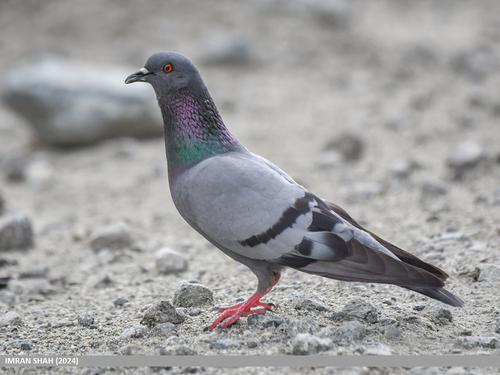
Washington, US
Puedes ver Paloma Bravía, Ardilla Gris Oriental y Gorrión Común.
Ver guía →
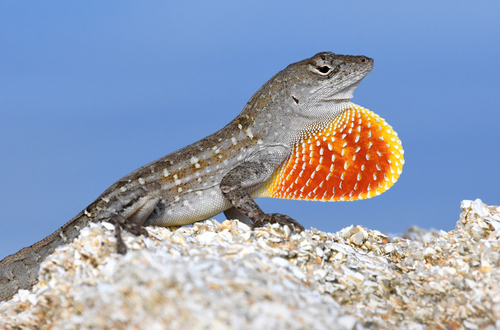
Florida, US
Puedes ver Anolis Castaño, Shiny-Leaved Wild Coffee y Firebush.
Ver guía →
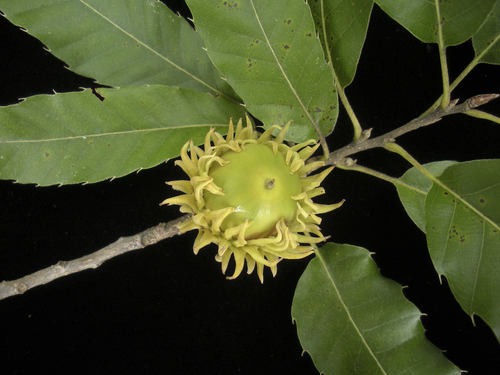
Virginia, US
Puedes ver Sawtooth Oak, Wineberry y Blue Mistflower.
Ver guía →












_male_(cropped).jpg&width=800)
