Pacifastacus
pacifastacus
¡El Pacifastacus es un fascinante cangrejo de agua dulce al que le encanta explorar su hogar acuático! Estas pequeñas criaturas son excelentes para esconderse entre rocas y plantas, ¡lo que las hace divertidas de observar!
Hábitat: Ríos y arroyos de agua dulce
El Pacifastacus, también conocido como cangrejo señal, tiene un caparazón duro de color parduzco a marrón rojizo. Presenta pinzas lisas, a menudo con una distintiva mancha blanca a blanco azulado pálido en la articulación de la pinza, lo que lo distingue de otros cangrejos de río.
Categoría
InvertebrateRareza
Common
Peligro
1/5 · Muy bajo
Snaps
¡Sé la primera persona en hacer un snap!
¡Un cangrejo de río muda toda su cáscara dura para crecer, como quitarse una armadura apretada!
Algunos cangrejos de río pueden cambiar ligeramente su color para camuflarse mejor con su entorno.
Sus largas antenas son como tentáculos súper sensibles para olfatear comida y amigos.
¡Pueden nadar hacia atrás súper rápido agitando su cola, escapando rápidamente del peligro!
El Pacifastacus puede regenerar pinzas o patas perdidas gracias a sus asombrosas habilidades de curación, lo que les ayuda a recuperarse de lesiones.
El Pacifastacus tiene pinzas fuertes y grandes que les ayudan a atrapar pequeñas presas y a defenderse eficazmente de los depredadores.
El Pacifastacus tiene antenas sensibles que les ayudan a detectar vibraciones y químicos en el agua, encontrando alimento y evitando el peligro.
El Pacifastacus puede ver bien con poca luz, lo que los convierte en excelentes forrajeadores nocturnos y les permite esconderse durante el día.
Estos omnívoros se alimentan de plantas acuáticas, materia muerta y pequeñas criaturas acuáticas.

Procyon lotor
Los mapaches se deleitan con los cangrejos de río encontrados cerca de las orillas de los arroyos.
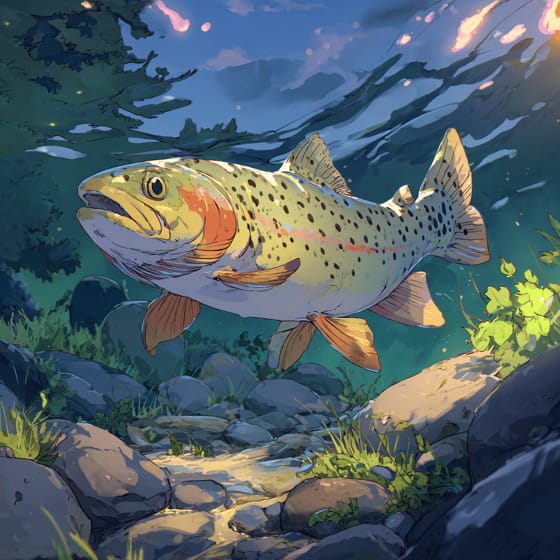
Oncorhynchus mykiss
Los cangrejos de río jóvenes son una comida favorita para las truchas en los ríos.

Lontra canadensis
Las nutrias son cazadoras hábiles que frecuentemente atrapan cangrejos de río.
Baetis rhodani
Los cangrejos de río consumen ninfas de efímeras encontradas en los lechos de los arroyos.
Los animales solitarios viven solos durante la mayor parte de su vida y solo interactúan con otros para aparearse o cuidar de sus crías.
Colorido describe a organismos u objetos que exhiben una amplia variedad de colores brillantes y distintivos.
Describe a los organismos que descomponen la materia orgánica muerta, reciclando los nutrientes de vuelta al ecosistema.
Este rasgo identifica a los organismos cuya dieta consiste total o principalmente en tejido animal.

Los hábitats acuáticos abarcan entornos donde los organismos viven principalmente en el agua, incluidos océanos, ríos, lagos y humedales.
Peligro
1/5 · Muy bajo
Todavía no hay notas especiales de seguridad.
La forma más fácil de identificar a Pacifastacus es usar la aplicación de identificación de naturaleza Snappit.
15 cm
50 g
4 años
Estos omnívoros se alimentan de plantas acuáticas, materia muerta y pequeñas criaturas acuáticas.
Ríos y arroyos de agua dulce
Forrajeo
Acércate para separar los grupos y explorar dónde se ha fotografiado este objeto.
Los snaps recientes aparecerán aquí a medida que se añadan nuevas observaciones.
Llévate el descubrimiento
Haz una foto con Snappit, identifica la especie y guarda el hallazgo en tu colección.