Pacific Bleeding Heart
Dicentra formosa
The Pacific Bleeding Heart is a beautiful flower with heart-shaped petals. It blooms in lovely pink and white colors and loves to grow in shady places like forests.
Hábitat: Forests
The Pacific Bleeding Heart has delicate, heart-shaped flowers that dangle in clusters, typically vibrant pink to purplish-red with a distinctive white 'drip' at the bottom. Its fern-like, deeply lobed leaves are a soft blue-green, creating a beautiful contrast.
Categoría
PlantasRareza
Common
Peligro
2/5 · Bajo
Snaps
¡Sé la primera persona en hacer un snap!
Indigenous peoples sometimes made poultices from its roots, but never eat this plant!
Its roots can spread far underground, helping it pop up in new places like magic!
Look closely! Each 'heart' flower has a tiny 'drop' at the bottom, making it truly unique!
Only strong bumblebees can push open its special flowers to reach the sweet nectar inside!
Pacific Bleeding Heart can thrive in cool, shady forest floors, where many other sun-loving plants struggle to grow.
It produces seeds with a fatty attachment that ants collect and carry, helping to spread the plant to new places.
Pacific Bleeding Heart has mild toxins in its leaves, which can help deter hungry animals from eating too much of it.
Bombus melanopygus
One of its primary pollinators, collecting nectar and pollen.
Formica pallidefulva
Carries its seeds away to underground nests, aiding dispersal.
Odocoileus hemionus
Deer may browse its foliage, especially when young or available.
Las plantas caducifolias pierden periódicamente todas sus hojas, por lo general durante el otoño o las estaciones secas.
Las plantas con flores son cualquier planta que produce flores como parte de su ciclo reproductivo.
Las plantas de floración primaveral producen sus flores durante la temporada de primavera, lo que a menudo significa el final del invierno y el comienzo de un nuevo crecimiento.
Las plantas tolerantes a la sombra están adaptadas para crecer y prosperar en áreas con bajos niveles de luz, requiriendo menos luz solar directa.

Colorido describe a organismos u objetos que exhiben una amplia variedad de colores brillantes y distintivos.

Describe plantas que son particularmente atractivas y beneficiosas para una amplia variedad de organismos polinizadores.

Los hábitats boscosos son entornos terrestres dominados por una densa cubierta arbórea, que sustentan una gran diversidad de vida animal y vegetal.
Todavía no hay alias listados.
Peligro
2/5 · Bajo
Do not eat any part of the flower, as it can be harmful.
30-45 cm
30-60 cm
1-2 cm
Spring to early summer
No
Leve
Perenne
Insectos
Acércate para separar los grupos y explorar dónde se ha fotografiado este objeto.
Los snaps recientes aparecerán aquí a medida que se añadan nuevas observaciones.

British Columbia, CA
Puedes ver águila Calva, Ghost Pipe y Salmonberry.
Ver guía →
.JPG)
California, US
Puedes ver Cardinal Catchfly, Broad-Leaved Stonecrop y Mountain Misery.
Ver guía →

British Columbia, CA
Puedes ver Western Skunk Cabbage, Western Sword Fern y Matamoscas.
Ver guía →
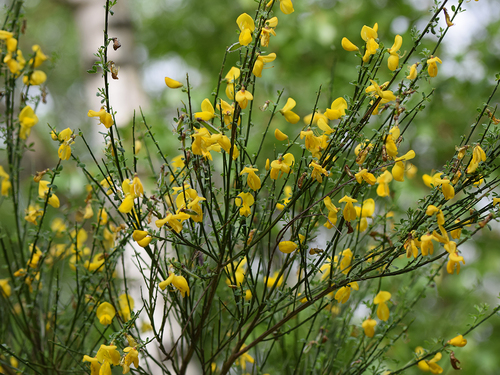
British Columbia, CA
Puedes ver Scotch Broom, Pacific Trillium y Fringe Cups.
Ver guía →
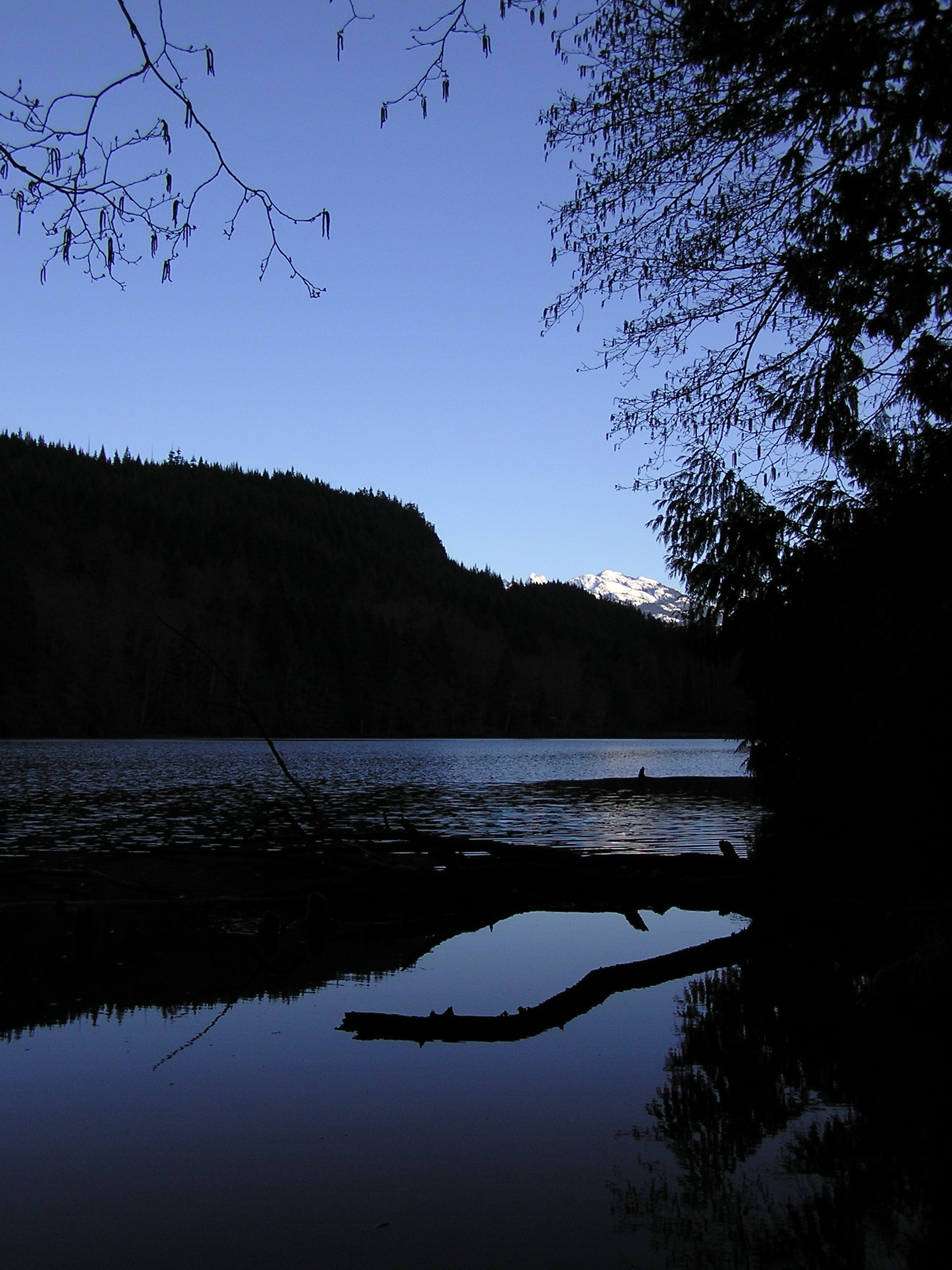
British Columbia, CA
Puedes ver Western Toad, Ghost Pipe y Pacific Coralroot.
Ver guía →

British Columbia, CA
Puedes ver Western Skunk Cabbage, Devil's Club y Pacific Ninebark.
Ver guía →