Pacific poison oak
Toxicodendron diversilobum
Pacific poison oak is a plant that can look like a bush or a vine. It has shiny leaves that can change colors with the seasons, making it interesting to see in nature!
Hábitat: Forests
The Pacific poison oak is a highly variable plant, growing as a low shrub or a climbing vine. Its glossy leaves grow in distinctive clusters of three, often turning vibrant red, orange, or yellow in autumn, making it visually distinct. It does not have thorns.
Categoría
PlantasRareza
Common
Peligro
4/5 · Alto
Snaps
¡Sé la primera persona en hacer un snap!
Birds eat its berries and help spread its seeds far and wide!
It's not actually an oak, but a relative of cashews and mangoes!
Just one billionth of a gram of its oil can cause an itchy rash!
The itchy oil can stay active on dead plants or clothes for years!
This plant can grow as a low shrub or a climbing vine, helping it reach sunlight in diverse environments.
It has underground stems called rhizomes that help it spread widely and quickly colonize new areas.
Odocoileus hemionus
Mule deer can eat its leaves without harm.
Turdus migratorius
Robins eat its berries, helping to spread the seeds.
Apis mellifera
Bees visit the small, inconspicuous flowers for nectar.
Las plantas caducifolias pierden periódicamente todas sus hojas, por lo general durante el otoño o las estaciones secas.
Un arbusto es una planta leñosa más pequeña que un árbol, típicamente con múltiples tallos que se ramifican desde o cerca del suelo.
Los colores otoñales se refieren al cambio estacional en la pigmentación del follaje, principalmente en plantas de hoja caduca, mostrando tonos vibrantes.
Los hábitats boscosos son entornos terrestres dominados por una densa cubierta arbórea, que sustentan una gran diversidad de vida animal y vegetal.

Los organismos tóxicos contienen sustancias que son venenosas y pueden causar efectos adversos al estar expuestos a ellas.

Los organismos venenosos producen toxinas que pueden causar daño si se ingieren, inhalan o absorben por contacto.
Peligro
4/5 · Alto
Do not touch this plant, as it can make your skin itchy and uncomfortable.
15-600 cm
50-1000 cm
0.2-0.5 cm
Primavera
No
Alta
Perenne
Insectos
Acércate para separar los grupos y explorar dónde se ha fotografiado este objeto.
Los snaps recientes aparecerán aquí a medida que se añadan nuevas observaciones.

California, US
Puedes ver Pato, American Coot y Barnacla Canadiense.
Ver guía →
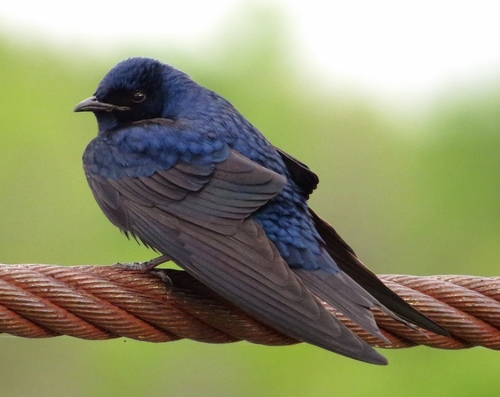
California, US
Puedes ver Purple Martin, Acorn Woodpecker y Junco Ojioscuro.
Ver guía →

Washington, US
Puedes ver Tsuga Del Pacífico, Pato y Western Sword Fern.
Ver guía →
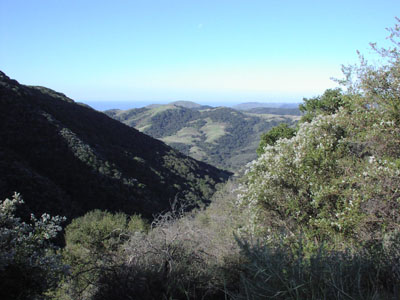
California, US
Puedes ver Lagartija Espinosa Del Oeste y Canyon Sunflower.
Ver guía →




.jpg&width=800)