
.jpg&width=800)





Pale Green Assassin Bug
Zelus luridus
The Pale Green Assassin Bug is a cool insect that loves to hide in plants. It has a long body and sharp mouthparts to catch its food. These bugs are great at helping control other insect populations!
Hábitat: Forests
The Pale Green Assassin Bug is slender and entirely pale green, helping it blend with foliage. It has a distinctive long, cone-shaped head and a short, stout proboscis tucked beneath its body. Its long, delicate legs are adapted for grasping prey.
Categoría
InsectosRareza
Common
Peligro
2/5 · Bajo
Snaps
¡Sé la primera persona en hacer un snap!
Assassin bugs earned their name because they are ambush predators, sneaking up on unsuspecting prey!
The Pale Green Assassin Bug can turn its head almost all the way around, like an owl, to spot prey!
Their sticky leg hairs are so strong, they can even hold onto insects much larger than themselves!
Their tiny mouthparts are like straws, perfectly designed for sipping the 'juices' from other bugs!
Pale Green Assassin Bug has sticky front legs that help them capture and hold onto wiggly prey, making escape almost impossible.
Pale Green Assassin Bug can inject venom with its sharp proboscis, quickly paralyzing prey so it can drink their body fluids.
Pale Green Assassin Bug has a pale green body that helps them camouflage perfectly among leaves and stems, ambushing prey unnoticed.
This insect is a hunter, eating smaller bugs it catches on plants.
Myzus persicae
A common pest, perfect prey.
Trichoplusia ni
Feeds on various garden plants.

Empoasca fabae
Agricultural pest, easy target.
Araneus diadematus
Spider webs can trap them.
Los animales solitarios viven solos durante la mayor parte de su vida y solo interactúan con otros para aparearse o cuidar de sus crías.
El camuflaje describe a los organismos que poseen colores o patrones que les permiten mezclarse con su entorno.
Este rasgo identifica a los organismos cuya dieta consiste principalmente en insectos y otros pequeños invertebrados.
Los hábitats boscosos son entornos terrestres dominados por una densa cubierta arbórea, que sustentan una gran diversidad de vida animal y vegetal.

Un depredador de emboscada caza esperando pacientemente y ocultándose, para luego lanzar un ataque repentino cuando una presa desprevenida se pone a su alcance.

Este rasgo identifica a los organismos cuya dieta consiste total o principalmente en tejido animal.

Los animales diurnos están activos principalmente durante el día y suelen descansar o dormir por la noche.

Describe una especie cuya presencia y papel tienen un efecto desproporcionadamente grande en su entorno.

Los organismos venenosos producen toxinas que se inyectan en otro animal, generalmente a través de una mordedura o picadura.

Describe organismos que transfieren polen, permitiendo la fertilización y reproducción de las plantas.
Todavía no hay alias listados.
Peligro
2/5 · Bajo
Do not touch insects without asking an adult, as some can bite.
20-30 mm
12-18 mm
30-90 días
This insect is a hunter, eating smaller bugs it catches on plants.
Forests
Ambush
6
Acércate para separar los grupos y explorar dónde se ha fotografiado este objeto.
Los snaps recientes aparecerán aquí a medida que se añadan nuevas observaciones.

Quebec, CA
Puedes ver Ardilla Gris Oriental, Pato y Marmota.
Ver guía →
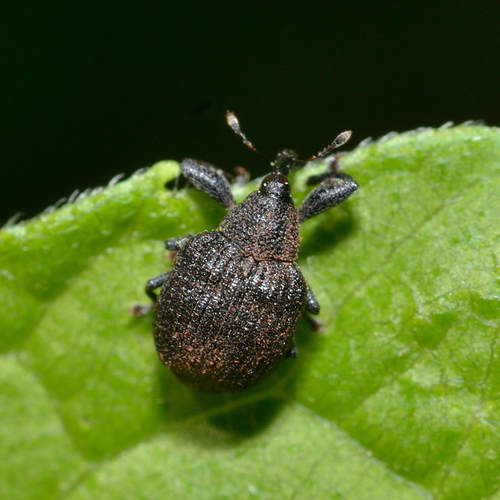
Virginia, US
Puedes ver Yellow Poplar Weevil y Mariquita Asiática.
Ver guía →
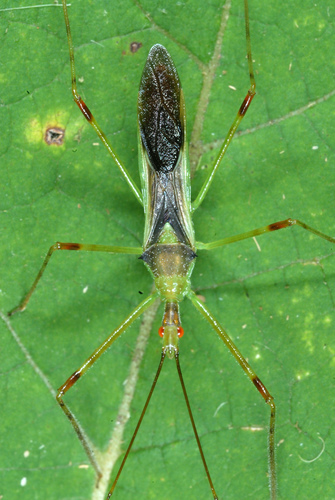
Virginia, US
Puedes ver Pale Green Assassin Bug y Mariquita Asiática.
Ver guía →
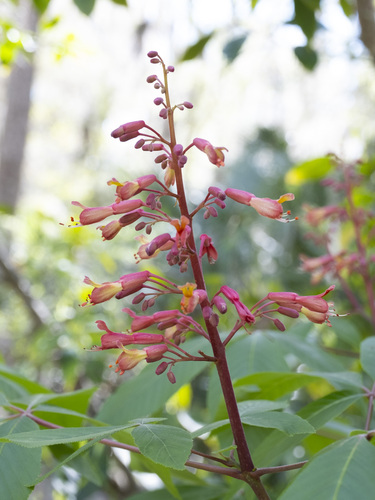
Tennessee, US
Puedes ver Red Buckeye, Aniseroot y Christmas Fern.
Ver guía →









%2C_mating.jpg&width=800)


