Pale Oyster
pleurotus pulmonarius
The Pale Oyster mushroom has a beautiful light color and a fan-like shape! It's a fun fungus that grows on trees and helps break down dead wood.
Hábitat: They thrive on decaying wood and are commonly found in forests and gardens.
The Pale Oyster has a pale, fan-shaped or oyster-shaped cap, often creamy white, tan, or grayish. Its gills run down a very short or absent stem, appearing off-white and radiating from where it attaches to wood. It often grows in overlapping clusters, making it look like shelves on trees.
Categoría
HongosRareza
Common
Peligro
1/5 · Muy bajo
Snaps
¡Sé la primera persona en hacer un snap!
Each Pale Oyster releases millions of tiny, dust-like spores that float away on the wind to find new homes.
Some people say young Pale Oysters smell just like fresh watermelon or even a hint of anise!
These mushrooms can change their cap color slightly based on how much sunlight they receive!
They are one of the fastest-growing cultivated mushrooms, appearing almost overnight!
Pale Oyster can break down dead wood because of powerful enzymes that help them recycle nutrients back into the forest soil.
Pale Oyster has the ability to help clean polluted sites by breaking down complex chemicals, assisting in environmental remediation.
Pale Oyster has a unique growth pattern, forming large, shelf-like clusters that help them cover more surface area for spore dispersal.
Quercus alba
Decomposes dead wood
Fagus grandifolia
Breaks down fallen logs
Limax maximus
Feeds on mushroom tissue
Los animales sociales viven en grupos organizados, cooperando para obtener beneficios de supervivencia como la búsqueda de alimento, la defensa y la cría de descendencia.
Colorido describe a organismos u objetos que exhiben una amplia variedad de colores brillantes y distintivos.
Este rasgo caracteriza a los organismos cuya dieta consiste total o principalmente en material vegetal.
Los hábitats boscosos son entornos terrestres dominados por una densa cubierta arbórea, que sustentan una gran diversidad de vida animal y vegetal.

Describe a los organismos que descomponen la materia orgánica muerta, reciclando los nutrientes de vuelta al ecosistema.
Peligro
1/5 · Muy bajo
Always ask an adult before touching or eating any mushrooms.
2-5 cm
edible
5-15 cm
They thrive on decaying wood and are commonly found in forests and gardens.
wood
Summer to fall
White to pale lilac
Acércate para separar los grupos y explorar dónde se ha fotografiado este objeto.
Los snaps recientes aparecerán aquí a medida que se añadan nuevas observaciones.

Massachusetts, US
Puedes ver Grey Cross Spider, Common Milkweed y Rosas.
Ver guía →
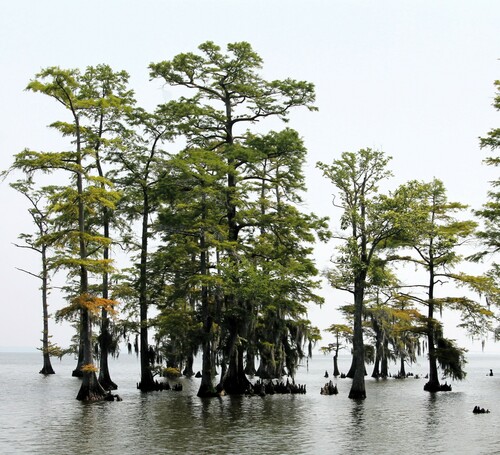
Tennessee, US
Puedes ver Cipreses Calvos, Plain-Bellied Watersnake y Water Tupelo.
Ver guía →
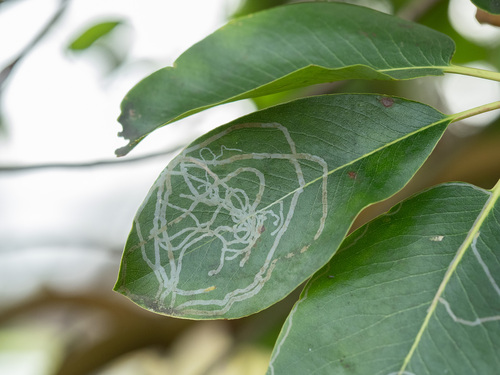
Washington, US
Puedes ver Madrone Skin Miner, Pacific Madrone y Western Redcedar.
Ver guía →