Pale Wolfberry
Lycium pallidum
The Pale Wolfberry is a small shrub that grows in dry places. It has pretty purple flowers and small berries that can be eaten, but be careful, they are not very tasty!
Hábitat: Desert
The Pale Wolfberry is a thorny, bushy shrub with slender stems. It has small, grayish-green leaves and tubular flowers that range from pale purple to creamy white. Its most striking feature is its bright orange to red berries.
Categoría
PlantasRareza
Common
Peligro
1/5 · Muy bajo
Snaps
¡Sé la primera persona en hacer un snap!
It's a cousin to your favorite foods like tomatoes, potatoes, and chili peppers!
Its scientific name, Lycium, may come from an ancient region in Turkey called Lycia!
Native American tribes traditionally used parts of this plant for various purposes.
This tough plant helps stop soil from washing away in dry, windy places.
Pale Wolfberry can grow deep roots that help it find water, allowing it to survive in very dry deserts.
Pale Wolfberry has sharp thorns that protect its branches and leaves from hungry animals.
Pale Wolfberry has bright, juicy berries that attract birds, helping to spread its seeds far and wide.
Apis mellifera
Helps spread pollen from its flowers.

Phainopepla nitens
Feeds on its nutritious berries.
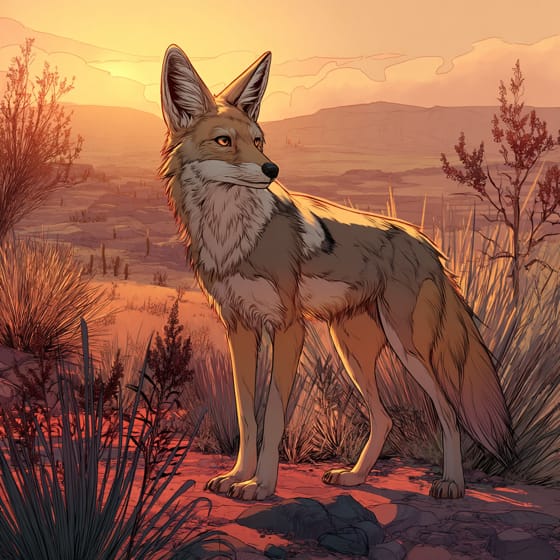
Canis latrans
Enjoys eating the sweet, red berries.
Las plantas con flores son cualquier planta que produce flores como parte de su ciclo reproductivo.
Un arbusto es una planta leñosa más pequeña que un árbol, típicamente con múltiples tallos que se ramifican desde o cerca del suelo.
Las plantas frutales producen frutos, que son los ovarios maduros de las plantas con flores que contienen semillas.
Las plantas tolerantes a la sequía pueden sobrevivir y florecer en condiciones de escasa disponibilidad de agua.

Las plantas comestibles son aquellas partes de una planta que se consideran seguras para el consumo humano.

Describe plantas que son particularmente atractivas y beneficiosas para una amplia variedad de organismos polinizadores.

Describe una relación entre dos especies diferentes en la que viven estrechamente asociadas, a menudo beneficiando a una o a ambas.

Los hábitats desérticos son regiones áridas caracterizadas por precipitaciones extremadamente bajas y, a menudo, temperaturas extremas, que albergan una flora y fauna especializadas.
Todavía no hay alias listados.
Peligro
1/5 · Muy bajo
Do not eat the berries without asking an adult first, as they might not taste good!
50-200 cm
50-200 cm
0.5-1.5 cm
Primavera a otoño
Sí
Leve
Perenne
Insectos
Acércate para separar los grupos y explorar dónde se ha fotografiado este objeto.
Los snaps recientes aparecerán aquí a medida que se añadan nuevas observaciones.